Russia has imposed new restrictions on Apple's FaceTime, accusing the video calling service of being used for terrorist activities and other crimes. The state internet regulator, Roskomnadzor, claimed the platform is exploited to recruit perpetrators and commit fraud against Russian citizens.
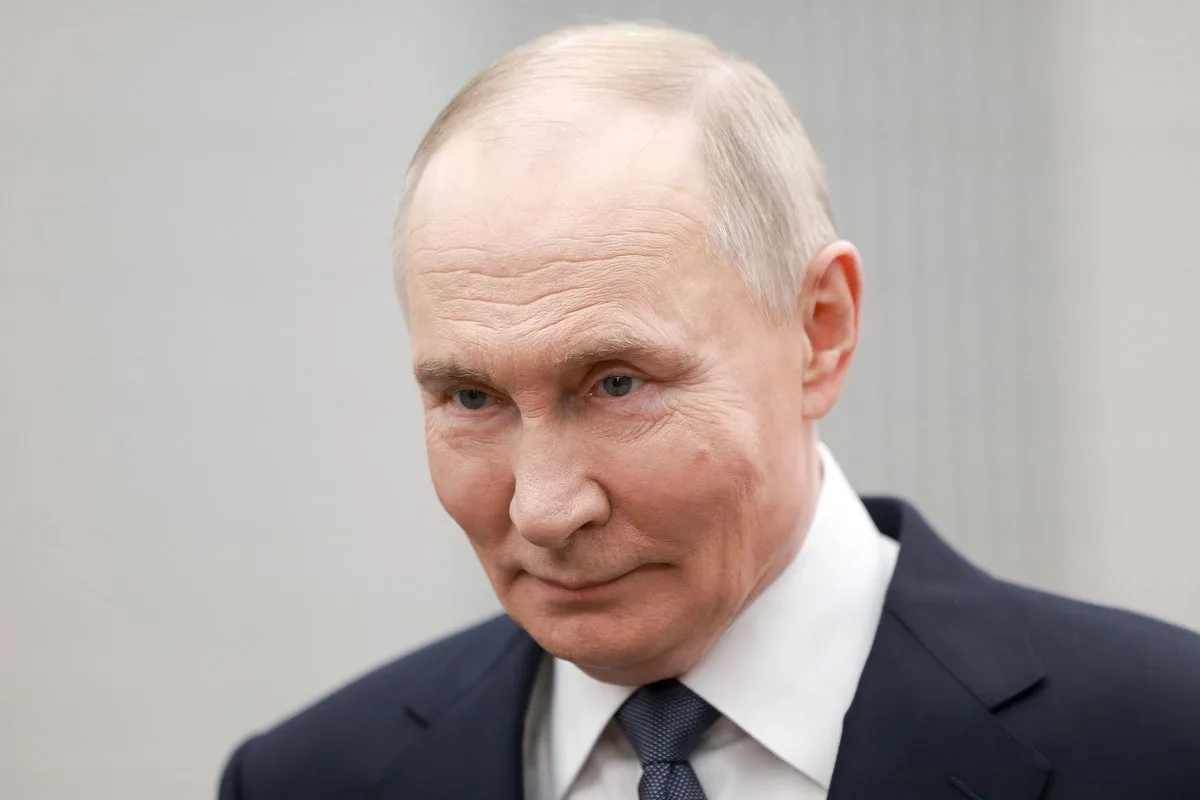
This move is part of a broader effort by President Vladimir Putin's government to tighten control over the internet. Since the full-scale invasion of Ukraine in 2022, authorities have blocked major social media platforms like Twitter, Facebook, and Instagram. Access to YouTube was also disrupted last year, with experts alleging deliberate throttling.
Earlier this year, Russia banned calls via WhatsApp and Telegram, the most popular messaging apps, citing similar security concerns. In 2024, encrypted messenger Signal and Viber were also blocked. Authorities have promoted a national messenger app, MAX, which critics say functions as a surveillance tool due to its lack of end-to-end encryption and willingness to share user data with authorities.
This week, the government announced it was blocking Roblox, a popular online game platform, claiming it was necessary to protect children from illicit content and predators. Cybersecurity expert Stanislav Seleznev noted that Russian law classifies any platform enabling user messaging as an 'organizer of dissemination of information,' requiring compliance with Roskomnadzor and granting the FSB access to user accounts.
Apple did not immediately respond to a request for comment. While some users may attempt to circumvent restrictions using VPNs, these services are routinely blocked. The government has also introduced 'white lists' of approved sites during internet shutdowns, which have become more frequent.