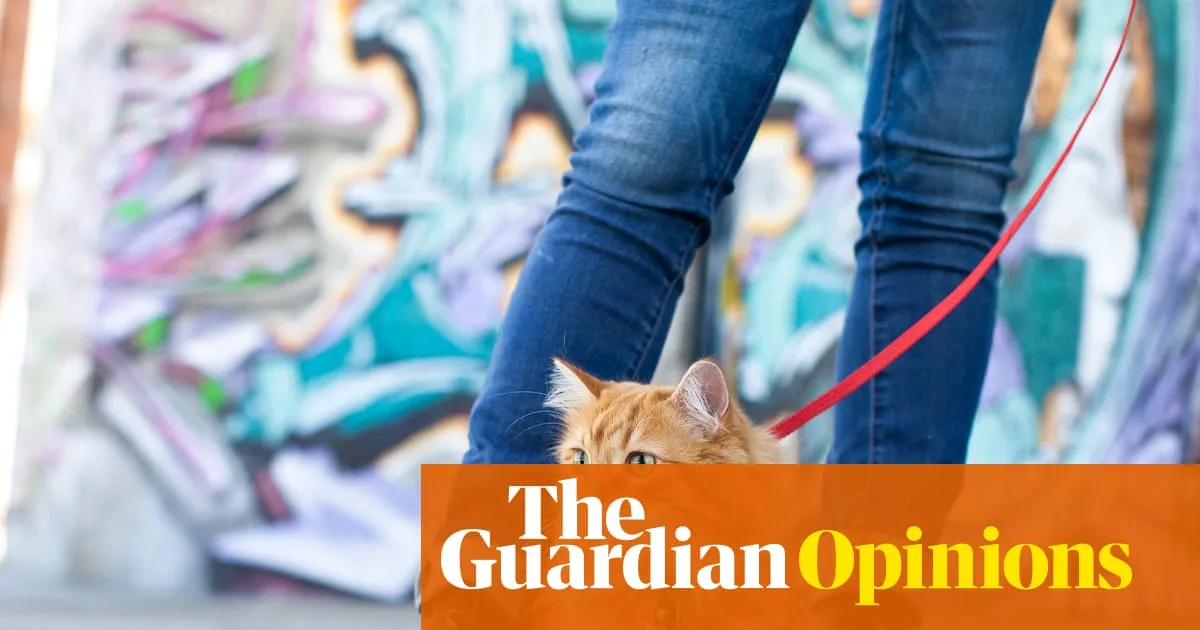
New research has revealed that nearly one in six UK cat owners use a harness for their pets, a practice that animal welfare experts warn can cause significant stress. Cats Protection, a leading feline charity, has cautioned against harnesses because they suppress a cat's natural flight response, leaving them feeling trapped and anxious.
The trend has baffled many cat owners, including journalist Rhiannon Lucy Cosslett, who described her own failed attempt to walk her cat, Mackerel. 'She would play dead the second you put her in it,' Cosslett wrote, reflecting on her experience. She noted that the harness not only distressed her cat but also made her feel self-conscious, as she saw herself as 'a childless, thirtysomething freelancer with a cat on a lead that won’t cooperate.'
Cats Protection advises that cats should not be forced into harnesses if they show signs of distress. The charity emphasizes that cats have strong instincts for self-preservation and that restricting their movement can lead to long-term behavioural issues. Experts recommend alternative ways to provide outdoor enrichment, such as secure catios or supervised garden access.
The study also highlights a broader trend of treating pets like children, with some owners using baby carriers and prams for their cats. While this may stem from a desire to protect them from urban hazards like traffic and predators, it raises questions about feline autonomy. 'A part of me was relieved when Mackerel decided to be an indoor cat,' Cosslett admitted, acknowledging the risks outdoor cats face.
Ultimately, the findings serve as a reminder that cats have distinct needs and personalities. As Cosslett concluded, 'They have a way of humbling you, cats.' Owners are urged to respect their pets' boundaries and prioritise their well-being over human trends.