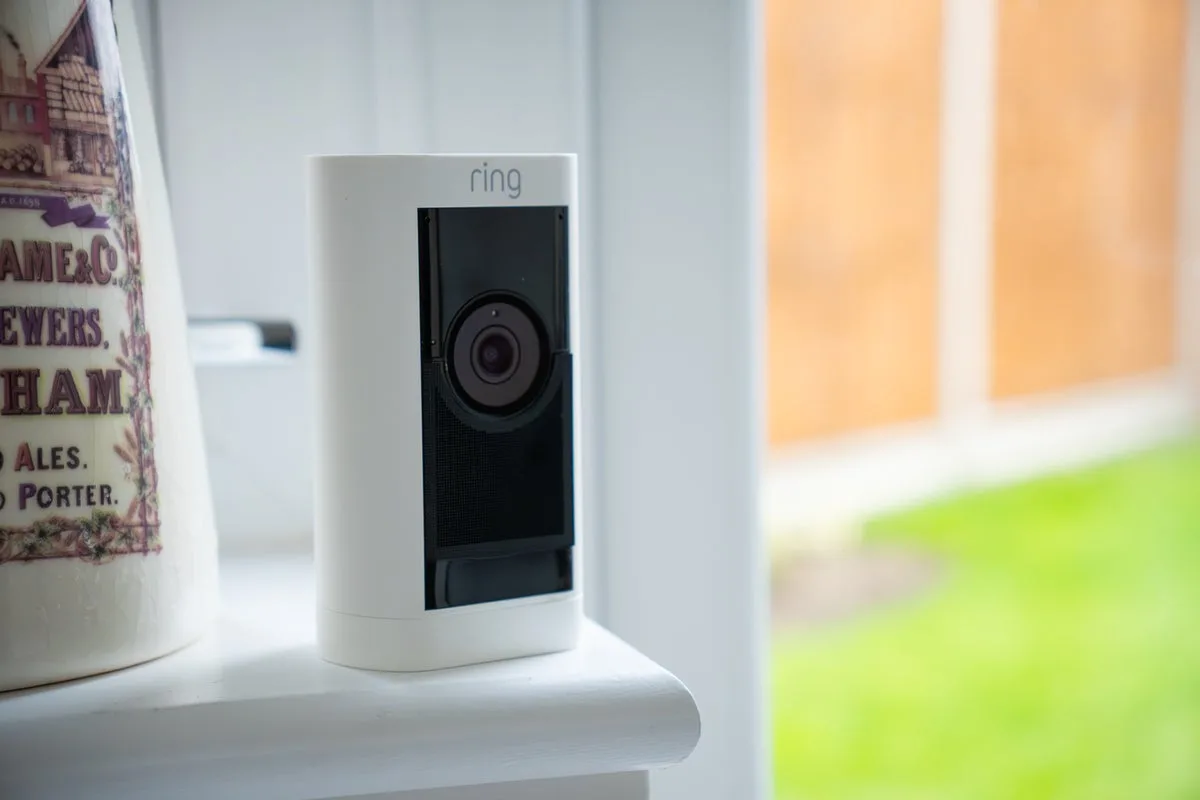
Installing a security camera can help protect your home, but not all locations are suitable. While many cameras are wireless, battery-powered and weatherproof, making them easy to install almost anywhere, there are key places to avoid. Security cameras should never be placed in bathrooms or bedrooms, and you must not install them without consent in communal areas of a shared property.
Outdoor cameras require careful positioning. They should not be aimed at neighbours’ gardens, windows or doors. If a view of a neighbouring property is unavoidable, such as with a video doorbell, use the camera’s app to create privacy zones – adjustable black boxes that obscure part of the view. This ensures you do not record other people’s private spaces.
Indoor cameras should never be installed in bathrooms or anywhere that could capture a view into a bathroom through a window or doorway. Bedrooms are also off-limits, except for baby monitors in a young child’s room. There is no UK law preventing parents from monitoring their own children with a security camera, as data protection rules do not apply to your own child in your own home.
In a house-share, indoor cameras in communal areas like hallways require consent from all tenants. The camera owner is responsible for how footage is used, stored and deleted. Legitimate uses include monitoring the front door or stored bicycles, but everyone must be informed, and footage should be deleted when no longer needed.
Outdoor cameras should be mounted high up and out of reach to prevent theft. A good location is close to an upstairs window, making battery charging easier. However, avoid placing the camera too close to a window ledge, as this can interfere with infrared night vision, causing bright white areas that obscure the footage.
Ultimately, common sense and the use of privacy features can help you install security cameras effectively while respecting others’ privacy. Always position cameras to focus only on your property and land, and use detection zones to limit recording to specific areas.