The UK Government is facing serious allegations of a cover-up following revelations that Chinese state-linked hackers successfully breached Foreign Office servers and accessed thousands of confidential visa application records. The incident, which occurred in October, has only now come to light, with critics accusing ministers of suppressing details to avoid diplomatic embarrassment ahead of the Prime Minister's planned trip to Beijing.
Details of the Unprecedented Cyber Attack
In an audacious operation, the hacking group known as Storm-1849 – identified by Western agencies as part of Beijing's state-aligned cyber espionage apparatus – targeted government systems. The attack compromised servers holding sensitive Home Office visa application records managed by the Foreign Office. This breach took place just weeks after the high-profile collapse of a prosecution against two alleged spies for Beijing, a case that had already sparked significant political controversy.
Shadow Security Minister Alicia Kearns led the accusations, stating: 'The Government has deliberately covered up a hack on confidential data by a Chinese agency to smooth the way for the Prime Minister's upcoming jolly to Beijing, and to avoid further embarrassment after the collapse of the Chinese espionage case in Parliament.' Business Minister Sir Chris Bryant countered, asserting the government was 'very confident' that no individual had been harmed, and likened the investigation to recent cyber attacks on Jaguar Land Rover, M&S, and the British Library.

Security Concerns Clash with Diplomatic Ambitions
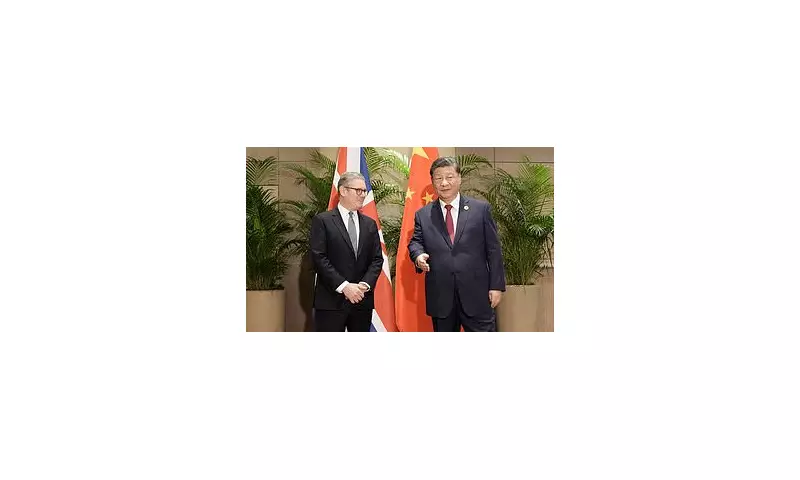
The disclosure raises profound questions about security policy and diplomatic strategy. Sir Keir Starmer is scheduled to make a historic visit to China in January, becoming the first British Prime Minister to travel there since Theresa May in 2018. The trip is intended to strengthen economic ties with the world's second-largest economy. However, this latest incident intensifies scrutiny over whether security threats are being sidelined for economic gain.
This concern was echoed by the intelligence and security committee earlier this week, which questioned if security considerations were being 'overlooked in favour of economic considerations.' The hack has also sparked specific fears that China may have been targeting visa details of Hong Kong passport holders and dissidents who have sought refuge in the UK. Luke de Pulford of the Inter-Parliamentary Alliance on China warned of 'especially grave' implications if such data was accessed.
A Pattern of Hostile Activity and Political Pressure
Storm-1849 is not a new threat. The group was publicly named in March 2024 when the UK Government formally blamed China for cyber attacks on MPs and the Electoral Commission. The election watchdog revealed it cost £250,000 and three years to recover from that breach, which saw the details of 40 million voters accessed.
The revelation of the latest hack adds to a growing list of engagements with Beijing by senior Labour figures, including visits by then-Foreign Secretary David Lammy, Chancellor Rachel Reeves, and Energy Secretary David Miliband. Former Tory leader Sir Iain Duncan Smith was scathing: 'They know very well who has done this. It's China. The reason they won't say is because they have this absurd nonsense of Keir Starmer going over to visit China next year.'
As the investigation continues, the political fallout is mounting, pitting urgent national security warnings against the Government's pursuit of economic cooperation with a state increasingly seen as a persistent cyber threat.