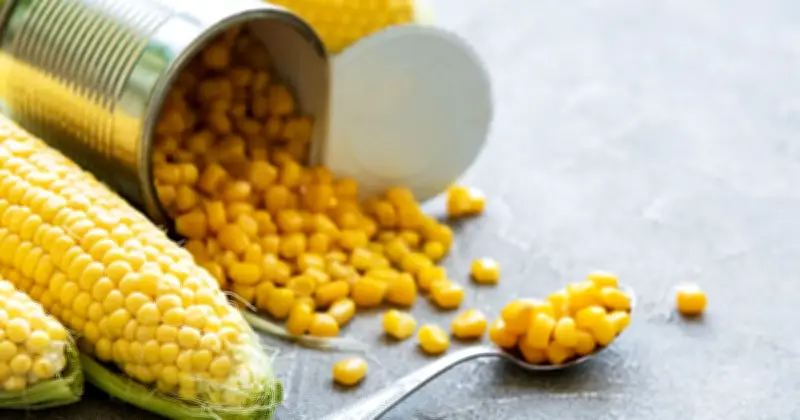
Sweetcorn is a staple vegetable in the UK, valued for its sweet flavour and versatile texture. It can be enjoyed on its own, as a side, or mixed into various dishes. However, cooking sweetcorn need not be complicated. A new method using the microwave is faster, cheaper, and healthier than traditional boiling on the hob.
Microwave Method for Corn on the Cob
According to All Recipes, cooking corn on the cob in the microwave is incredibly simple. Remove the husk if present, wrap the ear in a moist paper towel or kitchen roll, and place it in the microwave. Cook for three to five minutes until the kernels are tender but crisp. The exact time depends on the size of the ear and the microwave's power. A medium ear of fresh corn should be perfectly cooked in two to five minutes.
This method avoids the need to boil a large pot of water, saving time and energy. It also eliminates the crowding of a grill or stove.

Microwave Method for Tinned Sweetcorn
For tinned sweetcorn, the process is even quicker. Asda provides instructions for its 57p tinned sweetcorn: empty the contents into a suitable non-metallic container, cover and vent, then heat on full power. For a 700W microwave, heat for 2 minutes; for a 900W microwave, heat for 1 minute. Stir and drain well before serving.
In contrast, boiling tinned sweetcorn on the hob takes about five minutes, consuming more gas or electricity. The microwave method is more cost-effective.
Nutritional Benefits of Microwaving
Boiling vegetables can destroy their nutritional value. According to Healthline, boiling breaks down key vitamins such as vitamin C and B vitamins. Vitamin C is water-soluble and sensitive to heat, so it leaches out when vegetables are immersed in hot water. Boiling reduces vitamin C content more than any other cooking method. Broccoli, spinach, and lettuce may lose up to 50% or more of their vitamin C when boiled. B vitamins are similarly heat-sensitive; up to 60% of thiamine, niacin, and other B vitamins may be lost when meat is simmered and its juices run off.
Microwaving sweetcorn preserves more nutrients because it uses less water and shorter cooking times. This makes it a healthier option.
Conclusion
The quickest, healthiest, and cheapest way to cook sweetcorn—whether on the cob or from a tin—is in the microwave, not on the hob. This method saves time, energy, and money while retaining more vitamins. Sweetcorn connoisseurs and amateur chefs alike are encouraged to swap their pans for a microwave.