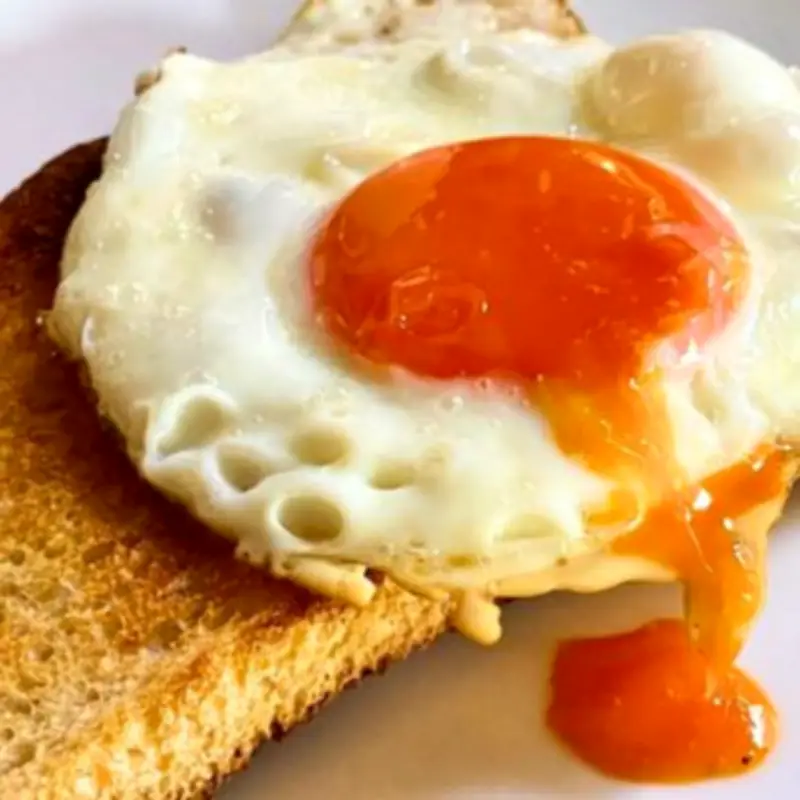
Fried eggs will be tastier if you ditch olive oil and butter for a chef's simple ingredient. If you're looking to add extra flavour to your fried eggs, a simple ingredient change delivers tastier results.
The Secret Ingredient for Better Fried Eggs
I'm a huge fan of eggs, and my preferred way to prepare them is to scramble them with a tablespoon of Greek yoghurt. That said, while they're hardly the most thrilling option, lately I've been longing for a fried egg. To enhance the flavour of fried eggs, I've previously prepared them with pickle juice brine, paprika seasoning and classic basil pesto, but there's another ingredient I was keen to try out.
It appears that giving fried eggs a vibrant new taste is as straightforward as swapping your cooking fat from olive oil or butter to sesame oil. I've noticed numerous chefs online discuss the enhanced flavour sesame oil brings to fried egg recipes. Having cooked eggs with this ingredient, I discovered that sesame oil doesn't just crisp your fried eggs beautifully; it also seasons, providing a warm nuttiness, a distinctive tang, and a subtle fruity note.

Choosing the Right Sesame Oil
Sesame oil comes in various types, so choose your bottle carefully. I went for a reasonably dark toasted sesame oil, which I purchased from Sainsbury's. The primary distinction between sesame oils is the extent to which the seeds are toasted before being processed into oil. The more intensely toasted versions of this Asian kitchen essential deliver deeper, more robust flavour and appear darker.
How to Make Fried Eggs in Sesame Oil
For this technique, I begin by warming half a teaspoon of toasted sesame oil in a small non-stick frying pan over medium-low heat until it shimmers. For a more pronounced sesame flavour, scatter toasted sesame seeds into the pan once the oil is heated, then add your egg, then finish with an additional sprinkling of seeds on top. Alternatively, you could dilute the sesame oil with a neutral oil to achieve a milder, less intense taste.
Tips for Perfect Fried Eggs
When the whites start to form, I cover the pan with a lid. I fry the egg with a lid on for two minutes to get sunny-side up results. For eggs destined for frying, I prefer to keep them in the fridge for at least an hour before cooking. I've found this produces a gloriously creamy, runny yolk without overcooking — absolutely essential for the perfect fried egg.
Rather than cracking the egg directly into the pan, I always break it into a bowl beforehand. This guarantees an unbroken yolk and a shell-free result every time, while also allowing you to position the egg precisely where you want it. Once the egg is in the pan, I wait until the whites begin to set before placing a lid on the pan for two minutes, allowing the steam to gently cook the yolk.
The lid is the crucial element of this technique; it ensures even cooking throughout. By trapping the heat and steam, it allows the egg to cook simultaneously from both the bottom and the top. Without a lid, the base cooks far too rapidly while the top lags behind, leaving you far more likely to end up with a tough, overcooked egg white long before the yolk reaches the desired consistency.