The former Greek finance minister and economist Yanis Varoufakis has revealed he is battling a relentless wave of AI-generated deepfake videos that impersonate him online, delivering fabricated speeches on geopolitical issues.
The Unsettling Discovery of a Digital Double
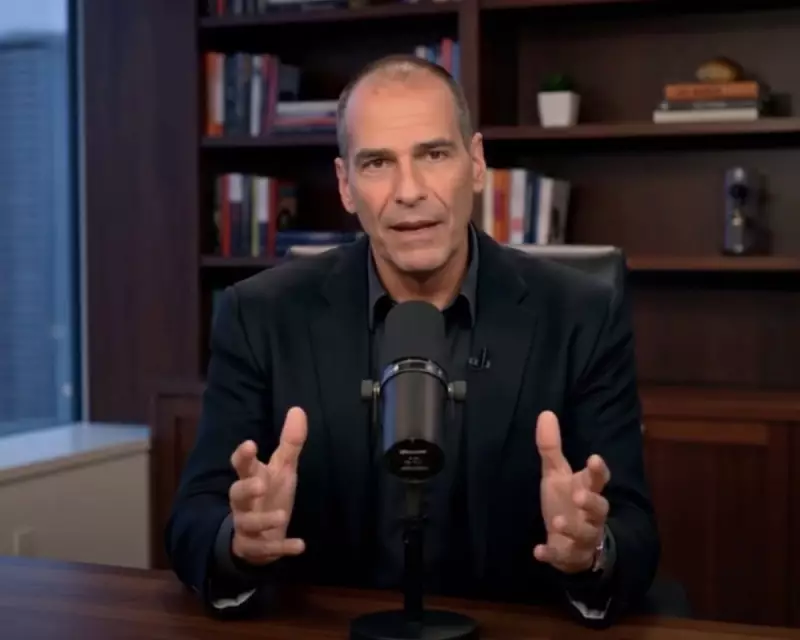
It began with a congratulatory message from a colleague about a video talk Varoufakis had supposedly given. Upon clicking the YouTube link, he was confronted with a convincing replica of himself, seated at his Athens office desk. The crucial clue was a distinctive blue shirt, a gift from his sister-in-law, which he knew had never left his island home. This was his first encounter with a sophisticated AI doppelganger.
Since that initial discovery, hundreds of such videos have proliferated across YouTube and social media platforms. They synthesise his voice and likeness to lecture on topics ranging from general politics to specific false claims, such as commentary on a coup in Venezuela. The videos mix plausible statements with outlandish fabrications, leaving supporters and opponents alike questioning their authenticity.

"I find myself in the bizarre position of being a spectator to my own digital puppetry," Varoufakis writes, describing the experience as akin to a character from Dostoevsky's The Double. His attempts to have the content removed via official channels with Google and Meta proved futile, as deleted channels would swiftly reappear under new names.
From Rage to Reflection: Deepfakes in a Technofeudal Age
Initial anger gave way to a grim philosophical recognition. Varoufakis, a long-time critic of what he terms 'technofeudalism', saw the deepfakes as the ultimate act of feudal enclosure. In this digital realm, we own nothing—not our data, our social connections, nor even our audiovisual identity. The new 'lords' of the cloud treat users as tenants, freely appropriating their likeness to sow confusion and muddy genuine discourse.
Yet, a paradoxical hope emerged from this dystopian reality. Varoufakis points to the ancient Athenian concept of isegoria (ἰσηγορία), which he clarifies is not merely 'free speech' but the right to have one's views judged on their merits, regardless of the speaker's identity or eloquence.
He posits a provocative question: "When we realise that it is impossible to verify who is speaking in a YouTube video, might we be forced to judge the merits of what is being said, rather than who is saying it?" In debasing authenticity, big tech may have inadvertently created a perverse opportunity for a more substantive, critical public debate.
The Political Task: Reclaiming the Digital Agora
However, Varoufakis cautions that this glimmer of hope is insufficient while tech giants retain two colossal advantages. Firstly, they own the digital 'agora' itself—the servers, feeds, and algorithms. They can authenticate their own speech while drowning others in a quagmire of synthetic noise. Secondly, their power is structurally embedded; they need no deepfakes to enforce the logic of extracting 'cloud rent' and surplus value.
Therefore, the solution is not to beg for verification badges from these platforms. The task is fundamentally political: to socialise cloud capital, the transformative force currently eroding humanist values. Until that systemic change occurs, Varoufakis suggests we let the digital doppelgangers speak, hoping their saturation of the spectacle forces the public to finally listen to arguments, not just voices.
"Perhaps they will so saturate the spectacle that we finally stop listening for our voice and start judging the arguments on their own terms," he concludes, grasping at this fragmented hope within the digital hall of mirrors.