From Internet Advocate to Proponent of Social Media Restrictions for Youth
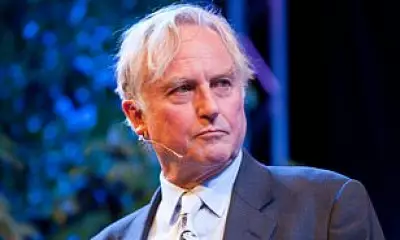
As Labour leader Keir Starmer accelerates plans for new social media legislation aimed at safeguarding children, columnist Andrew Griffin reveals a profound personal reversal. Once a staunch defender of unrestricted internet access for young people, Griffin now argues that banning social media for those under 16 is not only necessary but urgent. This shift stems from the transformative impact of artificial intelligence and the proliferation of deceptive content online.
A Personal Journey Shaped by Digital Evolution
I was nurtured by the internet, Griffin reflects. While acknowledging that others may judge the outcomes, he expresses immense gratitude for the boundless knowledge, unique communities, and invaluable skills it provided. Consequently, he long resisted any notion of depriving young people of this resource. Even as concerns mounted about social media's harmful effects, he viewed outright bans as a capitulation born of fear rather than a solution. The focus, he believed, should be on enhancing online safety, not surrendering to perceived threats.
However, in recent years, this deeply held conviction has wavered. Griffin attributes this change not to a personal transformation but to a fundamental alteration of the internet itself. Suddenly, restricting or prohibiting social media access for minors appears markedly more reasonable.

The Erosion of Trust and Community in the Digital Age
Social media once offered a dual nature: it was both more intimate and expansive. Individuals could discover niche communities tailored to their interests, where acceptance and shared knowledge flourished. While some of these spaces were detrimental, the risks were manageable with caution and awareness.
This is not to romanticize the early internet as inherently secure. Protecting children primarily involved steering them away from hazardous areas, akin to navigating any unfamiliar environment. With proper guidance and vigilance, young people could still experience the internet's joys and benefits.
Today, the landscape has darkened considerably. The core essence of the internet has mutated, presenting novel threats. The advent of artificial intelligence has made misinformation and falsehoods effortlessly pervasive, undermining trust in online content. Simultaneously, social networks have expanded to such a degree that niche communities are harder to find, increasing exposure to mainstream yet harmful voices. Moreover, the platforms' operators now wield unprecedented influence, often amplifying these very dangers.
Broader Societal Factors Amplifying the Crisis
The internet alone is not to blame. The ubiquitous spread of smartphones and social applications has coincided with a decline in constructive offline activities. The proliferation of iPhones and the erosion of youth clubs occurred in parallel, each exacerbating the other's impact on young people's well-being.
Any proposed ban must consider this context. Simply prohibiting access is insufficient; viable alternatives must be provided. These could include healthier online environments focused on community and exploration rather than division and outrage. Equally important are offline options that offer engaging, safe spaces away from screens—a more challenging and costly endeavor than the simplistic approach of banning digital platforms.
Because the internet represents only part of the problem. There is an urgent need to cultivate a safer real world, and time is of the essence. Griffin concludes that a balanced strategy, combining sensible restrictions with enriched alternatives, is essential to protect the next generation from the perils of modern social media.