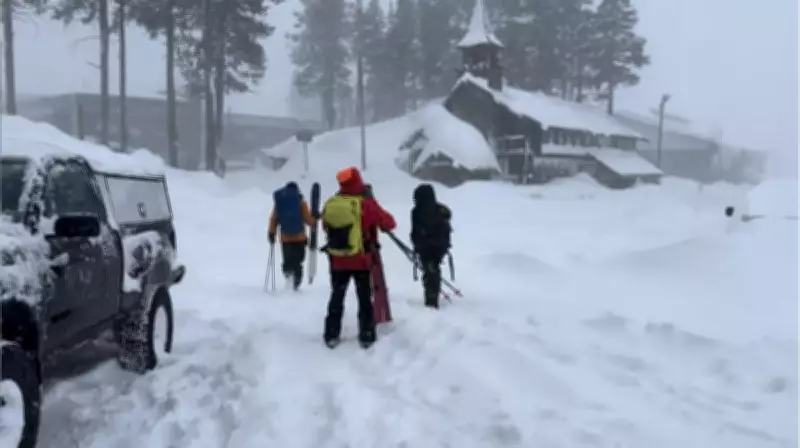
iPhone SOS Feature Proves Critical in California Avalanche Rescue
In a dramatic incident that underscores the growing role of technology in emergency situations, two skiers were rescued from a California avalanche after using the iPhone SOS feature to alert authorities. The event, which occurred in a remote mountainous region, has drawn attention to how everyday devices can become vital tools for survival in life-threatening scenarios.
Details of the Avalanche and Rescue Operation
The avalanche struck on a recent weekend, burying the skiers under heavy snow in an area with limited cellular coverage. According to reports, the individuals were equipped with iPhones that included the SOS feature, which allows users to send emergency signals via satellite when traditional networks are unavailable. Upon activation, the feature transmitted their location to rescue teams, enabling a swift and coordinated response.
Local emergency services, including mountain rescue units and paramedics, were dispatched to the scene. The rescue operation involved navigating treacherous terrain and adverse weather conditions, but the precise location data provided by the iPhone SOS feature significantly expedited the process. Both skiers were extracted from the snow and received medical treatment for minor injuries and hypothermia, with officials confirming they are now in stable condition.

Implications for Emergency Preparedness and Technology
This incident highlights the increasing importance of integrating advanced safety features into consumer electronics. The iPhone SOS feature, introduced in recent models, is designed to function in areas without cellular or Wi-Fi connectivity by leveraging satellite technology. It represents a significant advancement in personal safety, particularly for outdoor enthusiasts and adventurers who frequent remote locations.
Experts in emergency response and technology have praised the feature for its potential to save lives. They note that such tools can bridge gaps in traditional communication systems, which are often unreliable in wilderness settings. However, they also emphasize the need for users to be aware of how to activate and use these features correctly, as well as to maintain other safety measures, such as carrying avalanche beacons and informing others of travel plans.
The California avalanche serves as a stark reminder of the unpredictable nature of outdoor activities and the critical role that preparedness plays. As technology continues to evolve, it is likely that more devices will incorporate similar emergency capabilities, potentially reducing response times and improving outcomes in disaster scenarios.
Broader Context and Future Developments
This rescue comes amid a broader trend of technology being leveraged for public safety and emergency management. From smartphone apps that monitor natural disasters to wearable devices that track health metrics, innovations are increasingly focused on enhancing resilience and response in crises. The success of the iPhone SOS feature in this case may encourage other manufacturers to develop comparable functionalities, fostering a more interconnected and responsive safety ecosystem.
In conclusion, the California avalanche rescue demonstrates how modern technology, when used effectively, can turn a dire situation into a story of survival. It underscores the value of investing in and promoting safety features in consumer products, while also reminding individuals to stay vigilant and prepared when engaging in high-risk activities.