The annual CES trade show in Las Vegas has become a showcase for a new generation of artificial intelligence-powered health gadgets, promising everything from optimised conception times to remote cardiac monitoring. Yet, behind the glossy displays, a significant dose of uncertainty lingers, with tech and medical experts raising serious concerns about accuracy, data privacy, and the potential for harm.
The Promise and the Privacy Pitfall
Walking the floors of CES 2026, visitors encountered devices making bold health claims. One smart scale proposed to scan a user's feet to track heart health, while another product, an egg-shaped hormone tracker named Mira, uses AI to help women identify the best time to conceive. Sylvia Kang, Mira's founder and CEO, stated her company has built one of the world's largest hormonal health databases, with data stored securely in the cloud and not shared.
However, digital rights advocates sound a stark warning. Cindy Cohn, executive director of the Electronic Frontier Foundation, highlighted a critical gap: protections like the Health Insurance Portability and Accountability Act (HIPAA) do not cover information collected by consumer devices. Companies could be using this sensitive data to train their AI models or selling it to other businesses, often with the details buried in fine print. "I just don't think that's fair or right for the people who might rely on it," Cohn said.

A Regulatory Shift Raises Stakes
The context for these concerns is a significant shift in US policy. During the show, the Food and Drug Administration (FDA) announced it would relax regulations on 'low-risk' general wellness products, a move the Trump administration frames as removing barriers to AI innovation. This follows the repeal of President Joe Biden's executive order on AI guardrails and a recent Department of Health and Human Services strategy to expand AI use.
Professor Marschall Runge of the University of Michigan acknowledged AI's potential benefits in the vast $4.3 trillion healthcare sector, such as analysing medical images. But he also cautioned that AI can perpetuate biases and 'hallucinate', presenting incorrect information as fact. "I would urge people not to think that the technology is the same as a well-resourced, thoughtful, research-driven medical professional," Cohn emphasised, echoing a sentiment shared by many experts.
Filling Gaps in Women's Health and Accessibility
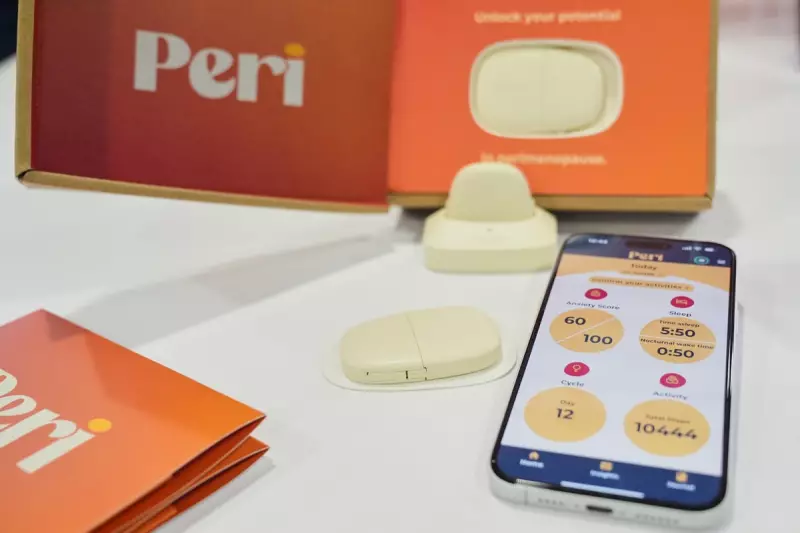
A prominent theme at CES was technology aiming to address historical deficits in women's health. Amy Divaraniya, CEO of Oova, noted that while all women experience menopause, research remains scant. In response, gadgets like the 'Peri' wearable monitor hot flashes and night sweats associated with perimenopause.
Other innovations focused on accessibility. Allen Au, founder of the free AI chatbot 0xmd, presented it as a tool for areas suffering doctor shortages. It allows users to ask medical questions, upload photos of symptoms, or get simplified translations of doctors' notes. "At the end of day, I don't think we will replace doctors," Au conceded, "but it can give people a second opinion." This space is attracting giants too, with OpenAI announcing the launch of its similar 'ChatGPT Health' platform.
The ultimate message from CES 2026's health tech arena is one of cautious duality. These devices offer tantalising possibilities to empower individuals and bridge healthcare gaps, particularly for women and those in remote areas. Yet, without robust oversight, clear accountability for accuracy, and ironclad data protections, the risk remains that they may create new problems in the process of solving old ones.