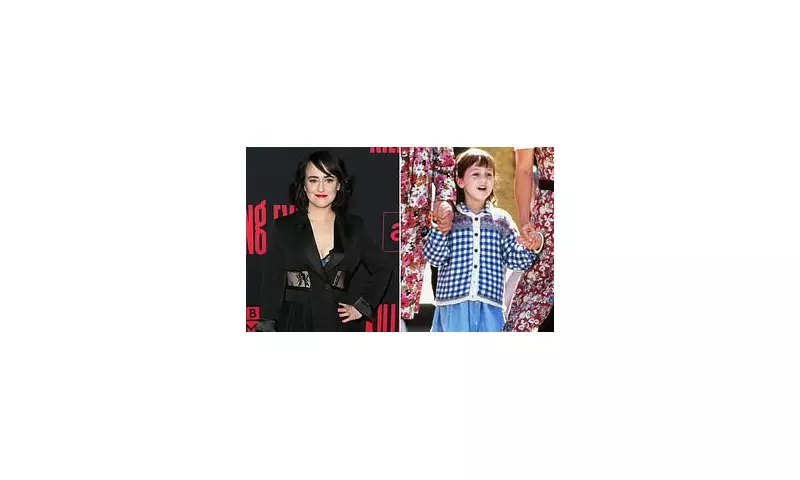
Former child star Mara Wilson has issued a stark warning about the terrifying implications of generative artificial intelligence, drawing on her own traumatic experiences of having her image manipulated for abusive purposes.
From Matilda to a Digital Nightmare
Wilson, now 38 and known for her roles in family classics like 1996's 'Matilda' and 1993's 'Mrs. Doubtfire', penned a deeply personal essay for The Guardian. In it, she contrasts the safety she felt on set as a young actor with the profound vulnerability created by today's technology.
"From ages 5 to 13, I was a child actor," Wilson wrote. "And while as of late we've heard many horror stories about the abusive things that happened to child actors behind the scenes, I always felt safe while filming." That sense of security was shattered, however, by her early encounters with the dark side of the internet.

The Painful Reality of Image-Based Abuse
Wilson revealed that before she even started high school, she discovered her likeness had been doctored for nefarious ends. "I'd been featured on fetish websites and Photoshopped into pornography," she stated. "Grown men sent me creepy letters."
She described this grim discovery as "a painful, violating experience" and a "living nightmare I hoped no other child would have to go through." Wilson emphasised that her ordinary appearance and family-friendly filmography did not protect her; her status as a public figure granted predators the access they seek.
Generative AI: A Quantum Leap in Risk
The core of Wilson's warning focuses on how generative AI technology exponentially escalates this threat. "It is now infinitely easier for any child whose face has been posted on the internet to be sexually exploited," she argued. "Millions of children could be forced to live my same nightmare."
Wilson, who now works as a writer and mental health advocate, called for urgent action on multiple fronts:
- Legal accountability for companies that platform or enable the creation of child sex abuse material (CSAM).
- Demanding legislation and technological safeguards from lawmakers and tech giants.
- Parental vigilance regarding the images of children shared online.
"We need to examine our own actions," she concluded. "Nobody wants to think that if they share photos of their child, those images could end up in CSAM. But it is a risk... It’s time to prove we want to prevent child endangerment and harassment."