Is Nia Noir AI? The Disturbing Truth Behind the 'Most Beautiful Girl'
Is 'Most Beautiful Girl in World' Influencer Nia Noir AI?

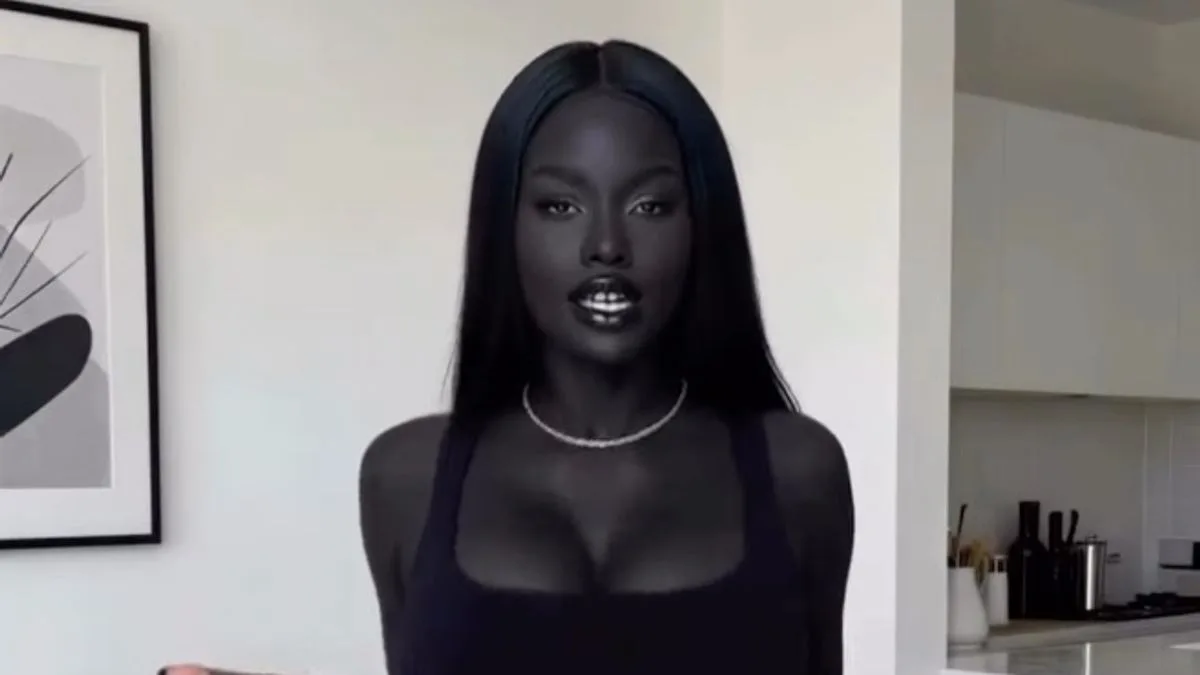
In a digital age where reality is increasingly difficult to discern, a popular influencer hailed as the "most beautiful girl in the world" is facing intense scrutiny. Fans of TikTok sensation Nia Noir are now questioning whether the captivating figure behind the account is even a real person, pointing to a series of bizarre inconsistencies that suggest she may be entirely artificial intelligence-generated.

The Clues That Sparked a Digital Witch Hunt

Nia Noir, whose bio reads "Just a girl with a dark side," has amassed a staggering 2.6 million followers on TikTok, often leaving commenters in awe of her seemingly flawless appearance. However, a growing number of sceptical followers have begun to dissect her content, uncovering potential digital fingerprints. Key anomalies include occasional irregularities in her hand anatomy, such as an unusual number of fingers, and the conspicuous absence of brand logos on devices she holds, like a missing Apple symbol on a phone.

Beyond physical quirks, observers have flagged her impossibly perfect, airbrushed skin as a potential hallmark of AI generation. The suspicion is further fuelled by the activity in her comments section. Multiple users have noted seemingly bot-like accounts posting identical, word-for-word compliments across different videos, a tactic often used to artificially boost engagement and create an illusion of popularity.

The Lucrative World of Virtual Personalities

If Nia Noir is indeed an AI construct, she would be part of a rapidly expanding and highly profitable trend. The phenomenon of virtual influencers is not new. Lil Miquela is widely recognised as the pioneer, debuting in 2016 and setting a precedent for computer-generated personalities. Over the years, her realism has evolved in tandem with her commercial success.

These digital entities have been fully embraced by the advertising world. Lil Miquela has fronted major campaigns for global brands including Prada, Calvin Klein, Samsung, and BMW. Her earning power is immense; reports suggest she generated approximately $10 million (around £7.4 million) in revenue in 2023 alone. She is just one of many AI influencers who now boast massive followings and multi-million-pound brand deals, each crafted with specific personalities to target niche audiences.

A Warning for the Social Media Age

This case highlights a disturbing new frontier in online interaction. As AI technology becomes more sophisticated and accessible, the line between human and algorithmically-created content blurs beyond recognition. For the millions of users who follow, admire, and compare themselves to figures like Nia Noir, the revelation that they might be engaging with a marketing tool rather than a person raises profound questions about authenticity, self-image, and trust on social platforms.

While nothing has been officially confirmed regarding Nia Noir's origins, the evidence compiled by online sleuths presents a compelling argument. The saga serves as a stark reminder to approach curated online personas with a healthy dose of scepticism. In an ecosystem where virtual beings can amass real influence and generate real wealth, the question is no longer just "who are we following?" but increasingly, "*what* are we following?"