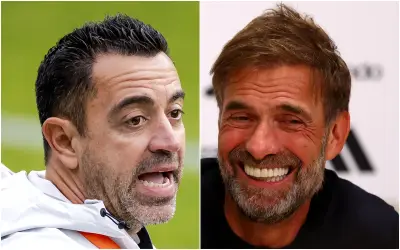
Jurgen Klopp, the former Liverpool manager, has sparked controversy by defending the mandatory hydration breaks introduced at the 2026 World Cup in North America. The breaks, which pause each match for three minutes midway through each half, have angered many English football fans who argue they disrupt the sport's flow. Critics also claim the breaks are primarily a vehicle for additional advertising slots, a charge FIFA denies.
Klopp's Support for the Breaks
Speaking to the BBC, Klopp said: "It's really hot and it's good for the players. Is it good for the coaches? Yeah, I would have loved it. Maybe it's a little bit too much right now. It's definitely too long because for drinking, you don't need two and a half minutes or whatever. But that's the thing." He added: "It's completely fine but I understand when you sit at home and then the commercials start… but being my age, it is a welcome break to go to the toilet!"
Klopp's comments have divided opinion, with many fans expressing frustration on social media. The breaks are mandatory in every match, regardless of stadium temperature, even though some venues have air conditioning that keeps conditions cooler.
FIFA's Defense
FIFA president Gianni Infantino defended the policy, stating: "The main reason is the heat, but we also have to understand that in a competition like the World Cup, played over 39 days, with teams potentially playing eight matches in those 39 days, having a moment to rest is extremely important." He emphasized the need for equal conditions across all matches, saying: "We want to ensure equal conditions for everyone, and that's why these breaks are implemented in every match."
UEFA's Different Approach
In contrast, UEFA has committed to not having mandatory hydration breaks at the European Championship in two years, unless the temperature exceeds a certain threshold. This highlights the differing philosophies between the two governing bodies.
Reactions and Impact
The hydration breaks have been a fixture of previous World Cups only when temperatures were high, but the 2026 tournament has made them standard. Critics argue this changes the nature of the game, while supporters point to player welfare. Klopp's backing adds a high-profile voice to the debate, but it remains a contentious issue among fans and pundits alike.