Super League 2026 Launches with Nostalgic Echoes and Fresh Ambitions
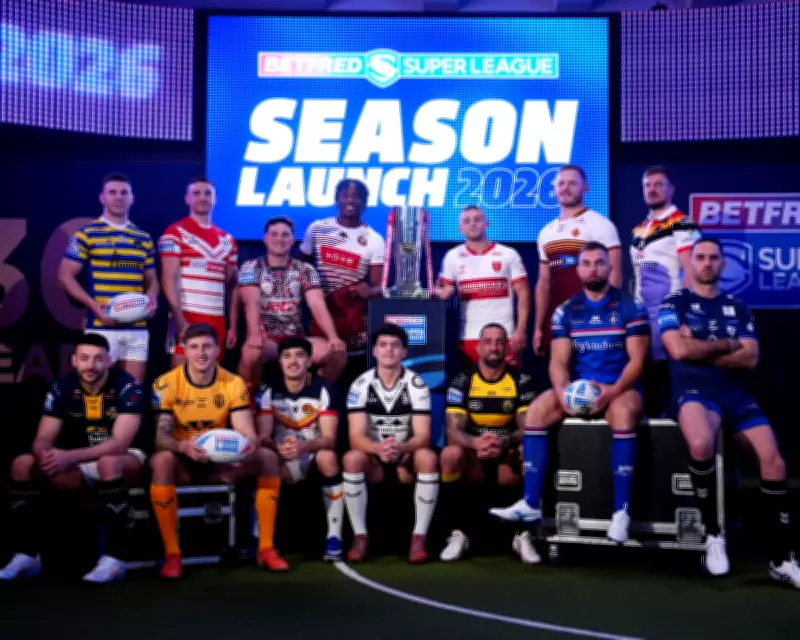
Thirty years after its debut in Paris, the Super League returns on Thursday night, marking a significant milestone with a newly expanded format that harks back to its revolutionary origins. This season kicks off with a 14-team structure, reintroducing a setup not seen in over a decade, as the competition welcomes debutants York Knights and the returning Toulouse Olympique, while Bradford Bulls make a dramatic comeback to the elite level.
A Return to Roots with Modern Twists
Just as in 1996, the 2026 edition begins with a renewed sense of structure and energy. The elevation of York and Toulouse, along with Bradford replacing Salford Red Devils due to financial woes, signals a shift in the league's dynamics. Bradford's return is particularly intriguing; once world champions and dominant in the early 2000s with four Super League titles, the club has navigated bankruptcy and a climb from the third tier to reclaim its spot among the best.
Attendances are on an upward trajectory, and the partnership with IMG is enhancing the sport's profile, with compelling on-field action continuing to draw fans. The season opener at York Knights' home ground, expected to be a sell-out, features defending champions Hull KR, who face a packed schedule including a World Club Challenge against Brisbane Broncos and a match in Las Vegas against Leeds Rhinos.

Broadcasting and Financial Crossroads
However, beneath the surface of this optimistic start, critical challenges persist. Broadcasting remains a pivotal issue, mirroring concerns from three decades ago. Sky Sports, a long-term partner since 1996, has seen the value of its deal diminish over the years, with central distributions to clubs dropping significantly. Currently, York and Toulouse receive only half the funding of other teams, highlighting a strained financial model.
With Sky's contract expiring this year and the broadcast landscape evolving rapidly, 2026 could be a defining year for Super League. While renewal is desired, there is hope among insiders for new broadcasters to spark a bidding war, as rugby league in Europe heavily relies on TV revenue. The recent liquidation of Halifax Panthers, following Featherstone Rovers and Salford, underscores the sport's precarious financial state, with losses mounting even at the elite level.
Innovation and Sustainability Efforts
In response, Super League is embracing an events-driven culture, with fixtures like Magic Weekend and Las Vegas becoming staples. Progressive clubs such as Wigan and Warrington are exploring games in Dublin to expand the sport's reach beyond traditional boundaries. The IMG partnership is showing positive results, with rising attendances and TV viewership, but the underlying financial sustainability remains a concern.
As the season unfolds, the addition of three new teams and extra games promises more narratives and excitement. Yet, the biggest story to watch is the brewing battle over broadcasting rights, which will shape the competition's future by year's end. Whether through new deals or continued partnerships, Super League 2026 stands at a crossroads, balancing historic themes with the urgent need for financial stability.