Winter vs Summer Olympics: Which Athletes Face Tougher Weather Training?
A common preparation strategy for Olympic athletes involves spending significant time overseas to chase specific competition conditions. This approach is particularly relevant when examining the stark differences between athletes preparing for the summer and winter games.
Heatwaves and Snowstorms: Contrasting Challenges
The Australian Olympic Committee has sent its second-largest Winter Olympics team of 53 athletes across ten sports to Italy for the Milan Cortina Winter Olympics. While every athlete has a unique journey to the pinnacle of their sport, their training methods vary substantially based on environmental demands.
Australians will tune into the winter games after blistering heatwaves affected much of the country during a sweltering summer. Extreme heat and fire conditions impacted numerous major sporting competitions, including the Australian Open tennis tournament and the Santos Tour Down Under and Surf Coast Classic cycling events.

In contrast, many Australian winter athletes have been competing in World Cup events during the Northern Hemisphere winter in the United States, Canada, Austria, and Switzerland in the months leading up to the games. The Australian Institute of Sport's European Training Centre in northern Italy has served as a crucial base for many athletes before the competition.
How Athletes Beat the Heat
Australian athletes routinely complete training camps in hot conditions to acclimatise to extreme temperatures, while winter athletes follow ice and snow around the globe. This preparation is crucial because when challenging weather conditions arise at competitions, athletes must have trained for them beforehand.
For example, the Paris 2024 Summer Olympics delivered heatwave conditions with temperatures ranging between 36 and 41°C. The interaction of ambient temperature, humidity, wind speed, and solar load (amount of cloud cover) significantly contributes to how hot an athlete feels and how their body copes during exercise in the heat.
For athletes, gradual exposure to heat is essential. They exercise in hot environments or in artificially hot and humid climate chambers and regularly use saunas. This adaptation helps them prepare for the environmental conditions they may face during competition. Without this gradual exposure to hot conditions, athletes face a greater risk of exertional heat illness.
The most recent International Olympic Committee (IOC) consensus statement in 2023 recommended athletes use ice baths, ice towels, and cold drinks to keep cool before, during, and after exercising in the heat. An expert consensus statement also recommends postponing competitions when possible to avoid extreme hot temperatures and ease stress on athletes.
Keeping Cool, Aiming High: Winter Challenges
The expected temperatures of Milan Cortina could be as cold as -7°C for multiple days at several competition venues. This presents a completely different challenge to athletes compared to summer conditions.
Winter athletes face higher risks of airway irritation and asthma when breathing cold air during prolonged, intense competitions. The risk of frostbite is also carefully monitored, with the IOC recommending athletes cover their skin and avoid competition if wind chill falls below -27°C.
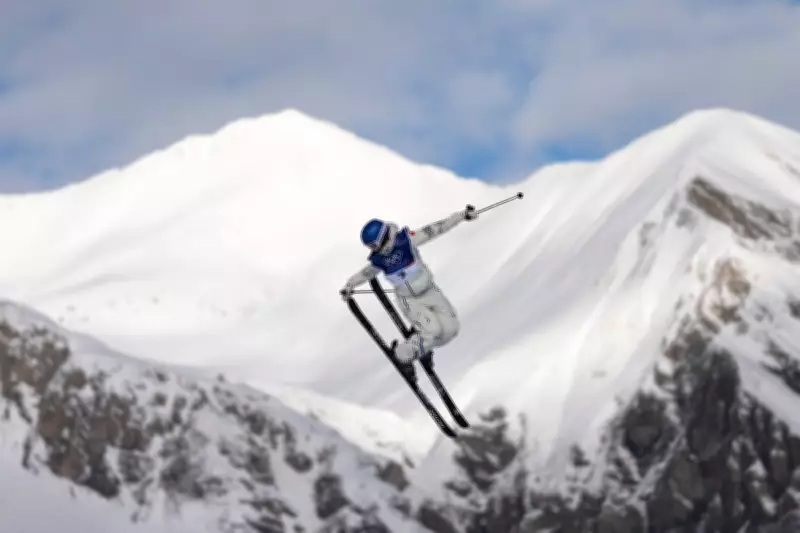
Winter Olympians must train and prepare in cold conditions to be ready for competition. For athletes in Australia, winter ski resorts including Mt Hotham, Mt Buller, Falls Creek, and Thredbo serve as frequent training and competition grounds. Training on snow and ice provides athletes with the most specific preparation for their events.
To ensure athlete safety, the IOC recommends athletes check weather conditions to avoid hazardous wind chills, wear appropriate clothing, and seek regular medical checks for early detection of exercise-induced asthma.
Specialised Training Facilities and Techniques
Away from natural snow and ice, purpose-built facilities such as the National Snowsports Training Centre in Jindabyne, NSW, allow skiers and snowboarders to develop freestyle skills. Meanwhile, the Geoff Henke Olympic Winter Training Centre in Brisbane has become a key training location for aerial and mogul skiers.

These facilities enable athletes to trial and master aerial manoeuvres before transferring them to snow. Many athletes also travel overseas to access specific training facilities before competing on Olympic venues.
Building strength and power in the gym and sprinting at the athletics track is a common training focus for athletes in sliding events, as achieving a fast start is crucial for successful performance.
While many Australian winter athletes may miss out on time at the beach during summer, their sacrifice serves a vital purpose: they train hard in the challenging environmental conditions they will likely face during competition, ensuring they are prepared for whatever weather challenges the Olympics present.
About the author: Monica Kelly is a Lecturer in Applied Sport Science Practice at Deakin University. This article is republished from The Conversation under a Creative Commons license.