Eteri Tutberidze Prohibited from Officially Coaching Adeliia Petrosian at Milan Cortina Olympics
The International Olympic Committee has confirmed to Daily Mail Sport that controversial Russian figure skating coach Eteri Tutberidze will not be allowed any formal involvement with skater Adeliia Petrosian during the women's singles competition commencing on Tuesday night. This decision stems from Petrosian's status as a neutral athlete under strict Olympic vetting regulations.
Background of Controversy and Previous Scrutiny
Tutberidze was a central figure in the doping scandal surrounding Kamila Valieva at the Beijing 2022 Winter Olympics, where the teenage skater tested positive for trimetazidine. Although Tutberidze was never found guilty of any offense related to Valieva's case, her entourage faced intense questioning about responsibility for a minor athlete. The episode drew widespread criticism, particularly when Tutberidze was heard admonishing a tearful Valieva after performance struggles, with then-IOC President Thomas Bach describing the interaction as "chilling to see" and demonstrating "tremendous coldness."
Current Situation and Rule Enforcement
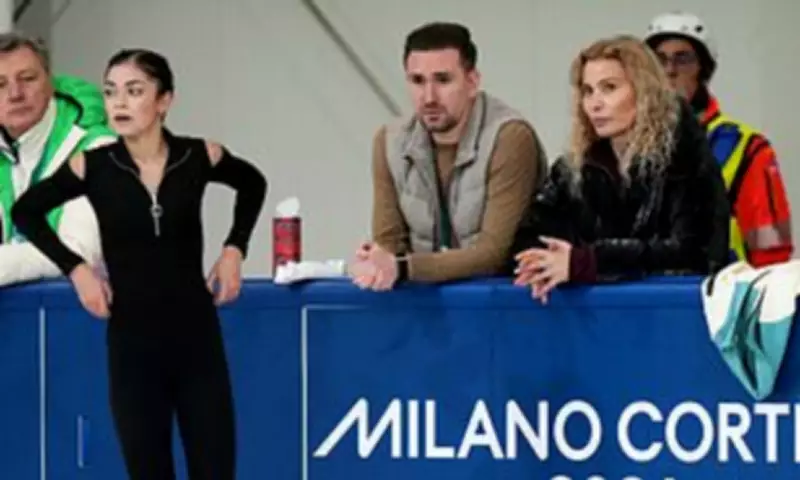
Despite being accredited for the Milan Cortina Games under her Georgian passport as part of Georgia's delegation, and having been spotted with 18-year-old Petrosian during practice sessions as recently as Monday, Tutberidze will be barred from any official coaching role once competition begins. The IOC spokesperson explained the distinction: "During training, figure skating athletes are able to seek guidance from other coaches they know well. However, during actual competition, athletes may only be coached by their accredited team officials."

The strict vetting rules surrounding neutral athletes—those competing without national representation due to geopolitical circumstances—have created this unusual situation. Petrosian, as a neutral athlete, cannot receive formal coaching from someone accredited to another national delegation during competition phases.
WADA President's Perspective and Regulatory Changes
Witold Banka, President of the World Anti-Doping Agency, expressed personal discomfort with Tutberidze's presence at the Games when questioned by Daily Mail Sport earlier this month. "If you ask me personally, I didn't feel comfortable with her presence here at the Olympic Games for sure," Banka stated. He acknowledged the legal limitations, noting that investigations found no evidence implicating Tutberidze in doping violations, thus providing no legal basis for exclusion.
Banka highlighted significant regulatory changes implemented since the Valieva scandal: "We strengthened the rules. We put a lot of emphasis on entourage with a mandatory investigation when a minor is involved. There are many new regulations and rules in the code that address this issue." These amendments to the WADA code reflect heightened scrutiny on coaching staff and support personnel surrounding underage athletes.
Broader Implications and Olympic Protocol
This case illustrates the complex intersection of:
- Neutral athlete protocols at international competitions
- Post-scandal regulatory enhancements in anti-doping governance
- The ongoing debate about entourage responsibility in youth sports
- Geopolitical influences on athletic representation and coaching access
The IOC's clarification emphasizes that similar situations have occurred with other neutral athletes receiving training assistance from coaches accredited to different national Olympic committees. However, the competition phase enforces strict boundaries to maintain regulatory integrity and fair play standards across all participating delegations.