Chelsea's Controversial Goal Against Arsenal: VAR Offside Row Explained
VAR offside row in Chelsea vs Arsenal goal explained

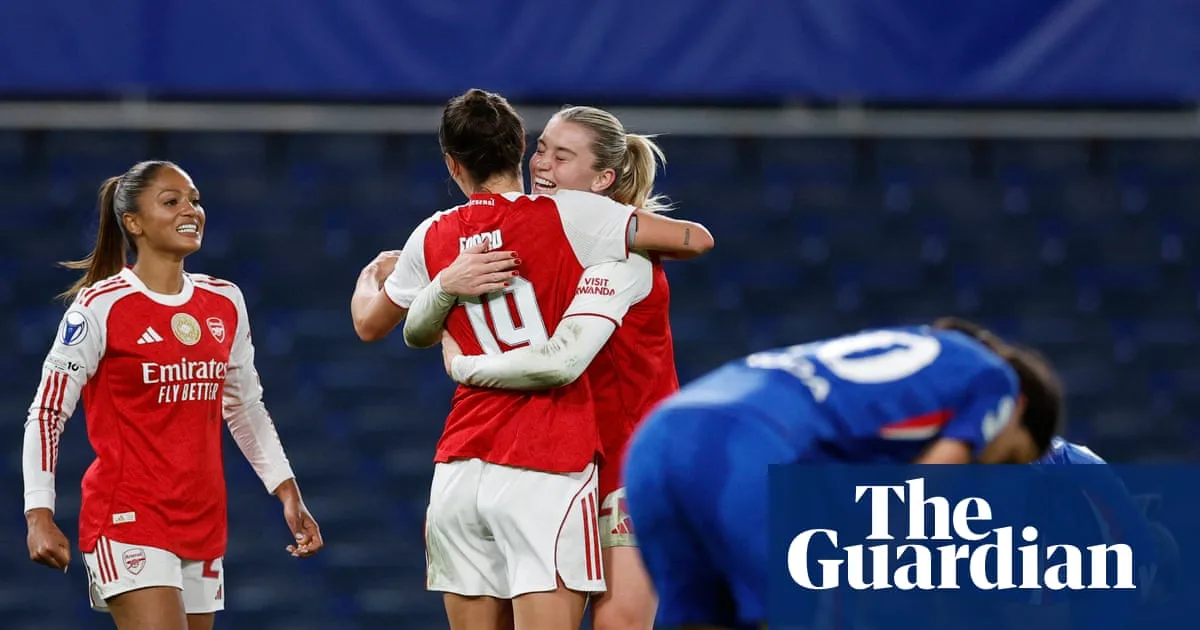
The Video Assistant Referee (VAR) system is once again at the centre of a storm following a contentious goal in the Premier League clash between Chelsea and Arsenal at Stamford Bridge. Chelsea defender Trevoh Chalobah's opening goal was allowed to stand despite Arsenal fans' fury over a potential offside infringement, a decision that has since been clarified by officials.

The Incident That Sparked the Fury

In the heated London derby on 1st December 2025, Trevoh Chalobah broke the deadlock with a near-post header. However, still images from the build-up clearly showed Chelsea midfielder Enzo Fernandez standing in an offside position as the ball was delivered. Fernandez was positioned directly in front of Arsenal defender Cristhian Mosquera, who was unable to make a clearance before the ball crossed the line.

This immediately led to angry accusations from Arsenal supporters, who believed VAR official John Brooks had missed a clear offence. The core of the dispute hinged on the subjective interpretation of whether Fernandez, from his offside position, was "interfering with play" or impacting Mosquera's ability to defend.

Why VAR Did Not Intervene

Contrary to the initial fan reaction, the goal was reviewed by the VAR team. After a check, it was cleared because officials determined that Enzo Fernandez did not make a clear action that impacted Mosquera. The key judgement was that Fernandez was not obscuring the defender's line of sight or physically preventing him from playing the ball.

This decision aligns with recent guidance from PGMOL chief Howard Webb, who has emphasised the subjective nature of such offside calls. In the recent 'Mic'd Up' show, Webb stated that the VAR should only intervene if the on-field decision is "clearly and obviously wrong." In this instance, the VAR did not deem it a clear error, hence they stayed out of it.

A Pattern of Controversial Offside Decisions

This incident is not isolated. It follows a series of high-profile offside controversies that have highlighted the complexities of the current rule:

  • Liverpool vs Manchester City: Virgil van Dijk had a goal disallowed because Andy Robertson, in an offside position, was adjudged to have ducked, making a clear action that impacted goalkeeper Gianluigi Donnarumma.
  • Nottingham Forest vs Liverpool: A Forest goal was allowed to stand despite Dan Ndoye being in front of Liverpool's Alisson Becker, as he was not deemed to be interfering.
  • Crystal Palace vs Tottenham: Arsenal benefited indirectly when Eberechi Eze's goal for Palace stood against Tottenham, with three offside players judged not to have obscured the goalkeeper's view.

These contrasting outcomes underscore the ongoing scrutiny and debate surrounding the offside law's application. The line between passive presence and active interference remains frustratingly blurred for players, managers, and fans alike.

Aftermath and Reaction

Interestingly, Arsenal's defenders did not appeal for offside in the immediate aftermath of the goal. Furthermore, manager Mikel Arteta did not raise the issue in his post-match press conference, suggesting it may not have been a major point of contention for the team internally, despite the significant backlash on social media.

The incident serves as another flashpoint in the ongoing conversation about VAR's role and consistency. While the protocol was followed—the goal was checked and cleared based on the existing interpretation of the laws—it has done little to quell the debate over the need for greater clarity in the rules governing offside and interference.