UEFA has issued fresh guidance on the use of VAR and refereeing protocols for the Champions League, following a season marked by criticism and controversies over officiating errors. The organization's refereeing director, Roberto Rosetti, has outlined a renewed approach aimed at balancing technological assistance with the natural flow of the game.
VAR Under Scrutiny
Introduced in the Champions League ahead of the 2019/20 season, VAR has faced ongoing scrutiny from fans and pundits alike. Supporters have expressed frustration over numerous contentious decisions, while lengthy delays during matches have become a significant point of contention. Despite these challenges, UEFA remains steadfast in its support for the technology, acknowledging that improvements are necessary but reaffirming its commitment to its use.
Rosetti's Vision for VAR
Roberto Rosetti emphasized the original purpose of VAR, stating, "We must remember why VAR was introduced. It was created to correct. The technology is excellent for objective decisions, like offsides, but for subjective judgments, we need to be cautious, because when we review tiny details we are slowing the game down." He added a crucial point: "What is crucial is one concept, we cannot delay the restart of play. If something is in place to delay the restart of play, I think it's not good for football."

Rosetti further explained that UEFA welcomes any changes designed to speed up the game, noting, "I can tell you also that every little change in order to speed up the restart of play, we like. We like because football is intensity, is emotions, is not delaying the restart of play." This focus on maintaining the sport's dynamic nature underscores UEFA's efforts to address one of VAR's most criticized aspects.
Enhanced Refereeing Protocols
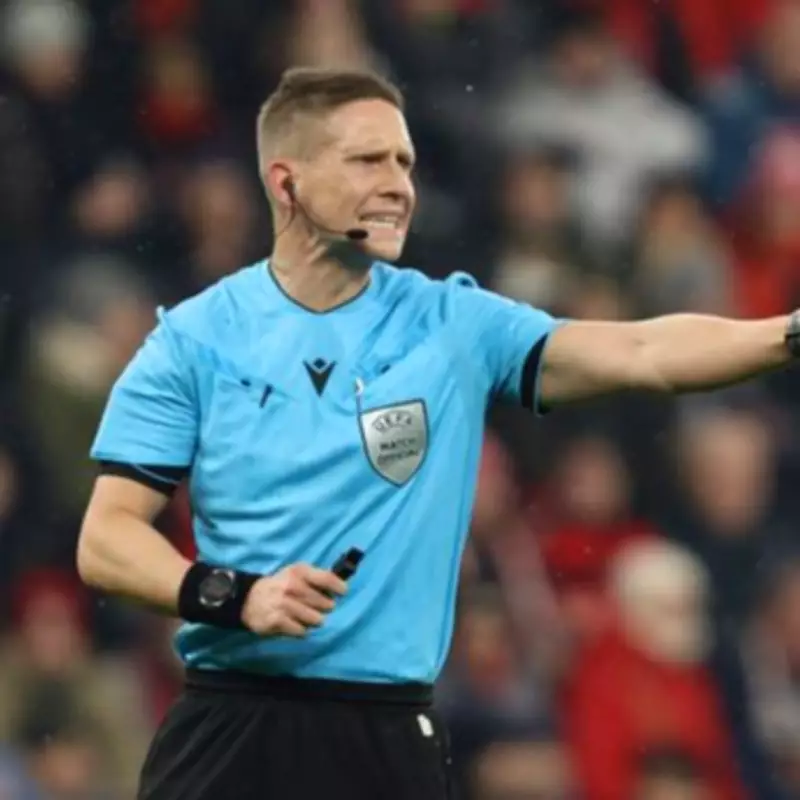
In addition to VAR guidance, Rosetti has issued specific instructions to referees to enhance on-field decision-making. Officials are urged to remain vigilant, particularly in areas near technical zones where most dangerous tackles occur. Referees have been directed to "recognise the nature of challenges, evaluate whether players are genuinely playing for the ball, and act firmly when force or studs up tackles endanger opponents."
Rosetti affirmed, "We will continue to be strict. The focus is always on protecting the players." This directive highlights UEFA's priority on player safety amidst growing concerns over serious foul play.
Handball and Player Conduct
On the topic of handball decisions, referees are now instructed to consider multiple factors: the player's attitude and intention, whether arms are in a natural position, and whether contact results from a physical challenge where deflections may be unavoidable. This nuanced approach aims to reduce inconsistencies in handball rulings that have sparked debate in past matches.
Furthermore, Rosetti has encouraged referees to clamp down on player exaggeration following minimal or slight contact. This move seeks to promote fair play and discourage simulation, which can undermine the integrity of the game.
Context of Criticism
This season, referees have faced intense criticism for a series of errors, with incidents such as death threats against officials after high-profile matches and suspensions for major blunders highlighting the pressures involved. UEFA's new guidance comes in response to these controversies, aiming to restore confidence in officiating standards while leveraging technology effectively.
By addressing both the technical and human elements of refereeing, UEFA hopes to foster a more transparent and efficient system for the Champions League, ensuring that the sport's excitement and fairness are preserved for players and fans alike.