Premier League's Centralised Advertising Proposal Sparks Club Division
A bold Premier League initiative to centralise the sale of perimeter advertising, which officials claim could generate an additional £750 million per year, has been met with a notably chilly reception from several of the competition's most powerful clubs. At a recent shareholder meeting, league representatives outlined plans to adopt a model akin to those used in American sports, where the league would negotiate advertising deals collectively on behalf of all member clubs.
Details of the Proposed Revenue Model
Clubs were informed that under this proposed system, 60 per cent of pitch-side advertising would be sold centrally, with the number of top-tier partners increasing from seven to ten. The substantial extra revenue projected—£750 million annually—would then be distributed among the twenty Premier League sides. However, the allocation would not be equal; instead, it would depend on a variety of factors, creating a complex revenue-sharing structure.
Sources indicate that the additional funds would be split in separate amounts based on criteria yet to be fully disclosed, potentially including performance, commercial reach, or other metrics. This approach aims to maximise overall league income while providing a boost, particularly to clubs with smaller commercial operations.

Significant Opposition from Elite Clubs
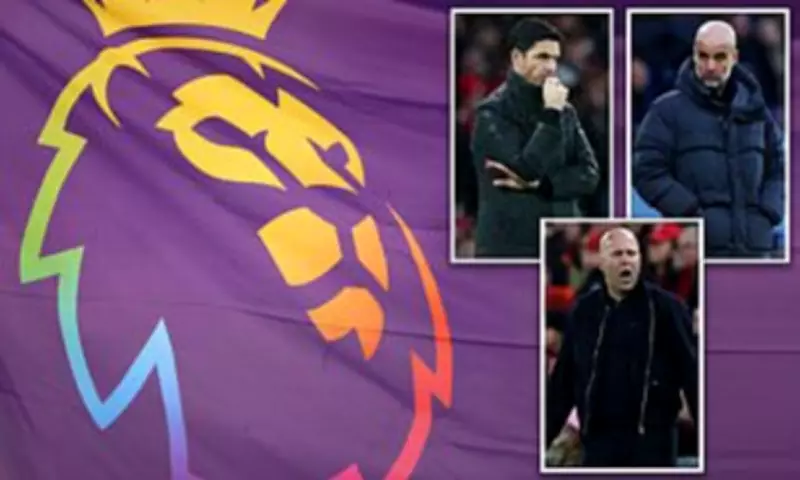
Despite the potential financial upside, Daily Mail Sport understands that the so-called 'Big Six' clubs—Arsenal, Chelsea, Tottenham Hotspur, Manchester United, Manchester City, and Liverpool—have expressed considerable concerns. None of these clubs offered official comments when approached, but insiders reveal deep-seated reservations.
Manchester United, while reportedly willing to engage in discussions, remains thoroughly unconvinced that centralising advertising sales would benefit either their own commercial interests or the broader competition. Similarly, Manchester City is thought to harbour serious doubts, reflecting a broader sentiment among elite clubs.
Core Concerns and Potential Conflicts
A primary worry for top clubs centres on their substantial investments in commercial departments. These clubs believe their in-house expertise in securing lucrative sponsorship deals far surpasses that available within the Premier League's central administration. There is a fear that relinquishing control over a significant portion of their advertising inventory could undermine their commercial strategies and revenue streams.
During the shareholder meeting, one chief executive highlighted the risk of potential conflicts of interest with existing club sponsors. For instance, if the Premier League were to sign a central deal with an automotive partner, it could create complications for individual clubs that already have partnerships with rival car manufacturers. This clash could dilute the value of existing club-specific agreements and lead to legal or commercial disputes.
Current Advertising Framework and Divergent Club Views
Currently, the Premier League allocates five minutes of advertising space on perimeter boards during matches. Of this, three minutes are designated to the broadcaster if the game is televised, leaving clubs with limited direct control over the remaining inventory. The proposed shift would dramatically alter this dynamic.
While the Big Six express scepticism, there may be stronger support from clubs with smaller revenues. For these teams, the proposal represents a valuable opportunity to leverage the collective commercial pull of the league's biggest names, potentially securing higher-value deals than they could negotiate independently. This division sets up a fascinating power dynamic within the league, pitting the financial giants against smaller clubs seeking a more equitable revenue boost.

League's Position and Historical Context
The Premier League has declined to comment publicly on the proposal. However, insiders stress that any move would be undertaken entirely for the benefit of its member clubs. League officials believe they have conducted robust analysis, supported by both internal and external club expertise, to justify the potential £750 million windfall. They assert a duty to explore all avenues that could advantage their sides and promise not to advance any formal proposal deemed contrary to the members' interests.
This is not the first time the Premier League has faced resistance from its biggest clubs over structural changes. Last season, Manchester United and Manchester City formed an unlikely alliance to oppose the introduction of an 'anchoring' system—a form of salary cap that would have limited club spending to five times the revenue of the bottom-placed team. Despite initial support, that proposal was ultimately rejected at a league meeting in November, illustrating the significant influence wielded by the top clubs.
The league is expected to continue liaising with clubs in the coming months, aiming to address concerns and refine the proposal. Whether it can overcome the formidable opposition of the Big Six and unite the division behind a centralised advertising model remains a critical and unresolved question.