This Saturday, Inter Miami will contest its first-ever MLS Cup final, a moment co-owners David Beckham and Jorge Mas have visualised since the club's inception. The journey to this point has been a meticulous, seven-year project, fundamentally transformed by the arrival of one man: Lionel Messi.
The Dream, Long Before the First Kick
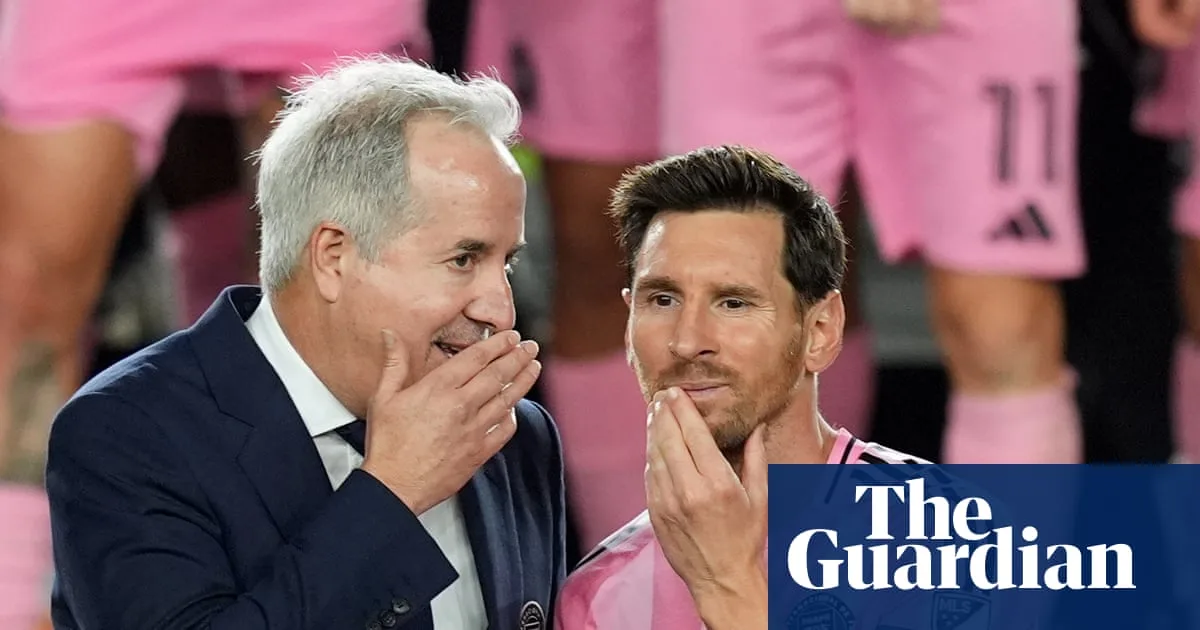
The ambition was audacious from the start. Back in late February 2020, just days before Inter Miami's maiden MLS fixture, the excitement from Beckham and managing owner Jorge Mas was palpable. The project, already seven years in development, was finally coming to fruition after navigating legal battles over the 'Inter' name and complex stadium politics for Miami Freedom Park.
Even then, before a competitive ball was kicked, the ultimate dream was clear. The 'Miami way' was to be distinct, an infusion of south Florida's vibrant Latin American culture into MLS, with an unwavering ambition to attract the game's greatest talent to the 305 area code.
The Coronation of Messi and a New Era
That vision spectacularly materialised in the summer of 2023. Lionel Messi, fresh from winning the World Cup with Argentina, chose Inter Miami, creating a seismic shift in American sports. His impact was immediate, leading a struggling side to its first trophy, the Leagues Cup, that August.
For Messi, the move was a conscious search for happiness after a difficult stint at Paris Saint-Germain. He found it not just on the pitch, but in the community built with his family and friends in Miami. His empire expanded with major deals with Apple and Adidas, embedding him deeper into the American sporting landscape ahead of the 2026 World Cup.
A Strategic Overhaul for Playoff Success
However, last season's first-round playoff exit to Atlanta United, despite Messi's MVP award, exposed a flaw. The club realised MLS is a 'triathlon', requiring a deep squad built for both the marathon of the regular season and the knockout intensity of the playoffs. Messi alone could not carry the project, especially as he approaches the latter stages of his career.
A significant restructuring followed in 2024. The club appointed Guillermo Hoyos, a trusted figure from Messi's Barcelona academy days, as sporting director. The managerial reins were handed to Javier Mascherano, Messi's former teammate for club and country, despite his lack of prior club management experience. The gamble has paid off, with the team embodying Mascherano's resilient and committed personality.
More Than Messi: A Cohesive Unit Ready for Glory
To label Inter Miami merely a marketing vehicle for Messi is to miss the broader project. The club boasts a developing academy producing local talent like Ian Fray and Benjamin Cremaschi. The first-team roster is now a perfect blend of youth and experience, rich with Argentine and Latin American character that works synergistically with Messi.
The addition of veterans like Sergio Busquets and Jordi Alba – both set to retire after the final – and Rodrigo de Paul has brought crucial big-game pedigree. The team's playoff form has been formidable, scoring 17 goals and conceding only four in five games, culminating in a 5-1 demolition of NYC FC in the Eastern Conference final.
Now, the ultimate test arrives. Thomas Müller's Vancouver Whitecaps, record-breaking regular season performers and Concacaf Champions Cup finalists, stand in their way at a vibrant Chase Stadium. It's a fitting narrative, pitting two global icons who faced off in the 2014 World Cup final against each other on the domestic stage.
For Inter Miami, hosting the final is a key advantage. With Messi's contract recently extended to 2028, the aim is clear: to enter the new Miami Freedom Park stadium next April as defending MLS Cup champions, a dream seven years in the making finally realised.