Iran has reversed its decision to boycott the World Cup draw after the United States granted a visa to the president of the country's football federation, Mehdi Taj. The Iranian football federation (FFIRI) had earlier announced it would not participate in the draw, citing the denial of visas for three officials, including Taj.
The FFIRI spokesperson, Amir Mehdi Alavi, had described the initial visa rejection as “unrelated to sport” and raised the prospect of Iran withdrawing from the tournament altogether. However, following the granting of Taj's visa, the federation confirmed its participation in the draw, which is scheduled to take place in Washington next week.
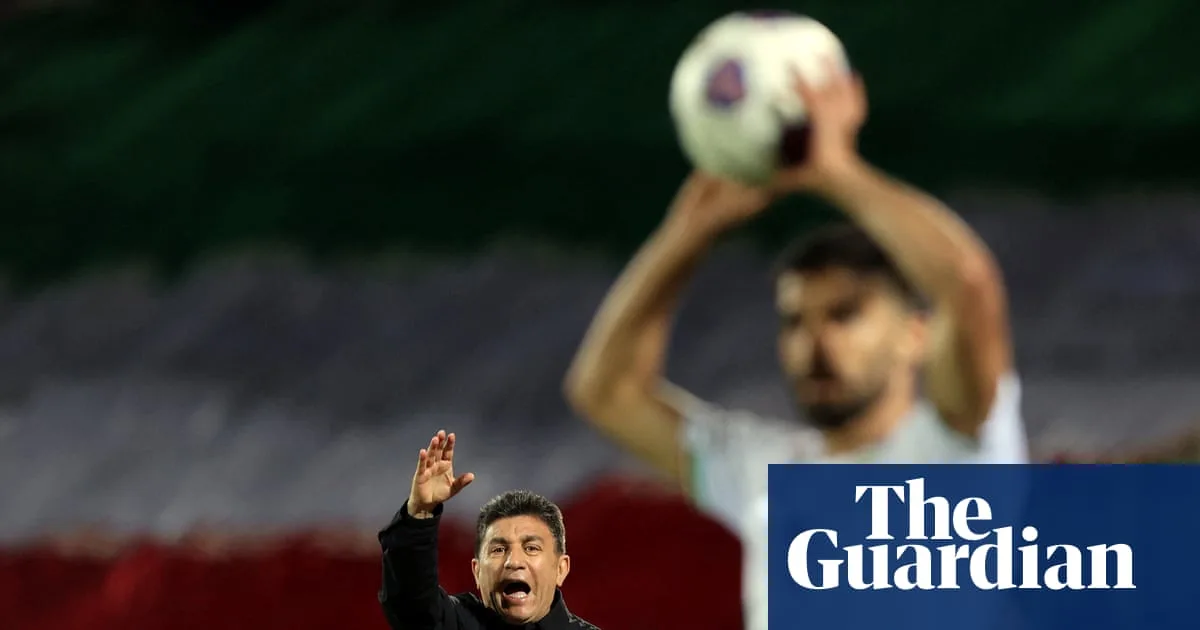
Iran is one of 19 countries affected by a US travel restriction imposed by President Donald Trump in June. An exemption for athletes and officials had been granted for the World Cup, but it was not initially applied to Taj and two other officials. Four other members of the Iranian delegation, including head coach Amir Ghalenoei, had already received visas.
FIFA President Gianni Infantino had previously assured that “everyone will be welcome” at the World Cup, which begins on 11 June in Mexico City. He noted that a White House taskforce chaired by President Trump was addressing visa issues. FIFA has also introduced the FIFA Pass scheme to facilitate visa applications for ticket holders, though approvals are not guaranteed.