FIFA Stands Firm on World Cup Schedule Amid Iran's Security Concerns
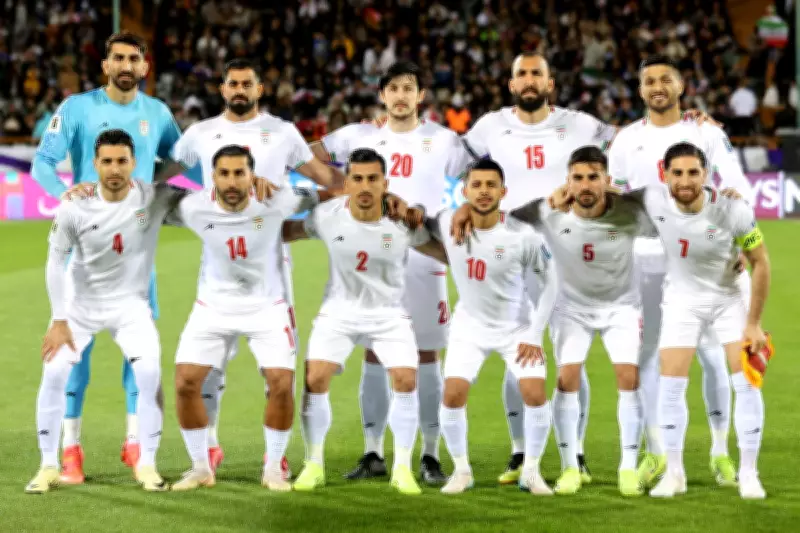
In a decisive move, FIFA has effectively ruled out the possibility of relocating Iran's matches at the 2026 World Cup from the United States to Mexico. This comes in response to heightened tensions following recent US and Israeli air strikes on Iran, which have sparked fears over the safety of the Iranian national team.
Iran's Negotiations and Security Fears
The president of the Iranian football federation, Mehdi Taj, had earlier stated that Iran was actively negotiating with FIFA to move its games outside of the United States. This request was driven by security concerns, particularly after former US President Donald Trump publicly declared that he could not guarantee the safety of the Iranian team in America. Taj emphasized, When Trump has explicitly stated that he cannot ensure the security of the Iranian national team, we will certainly not travel to America.
Iran is scheduled to play all three of its group stage matches in the US, beginning with a fixture against New Zealand in Los Angeles on June 15. The team is also set to face Belgium in LA on June 21 and Egypt in Seattle on June 26. Despite these plans, the ongoing conflict has cast a shadow over their participation.

FIFA's Official Stance and Regulations
A FIFA spokesperson reiterated the organization's commitment to the pre-announced match schedule, stating, FIFA is looking forward to all participating teams competing as per the match schedule announced following the World Cup draw in December. The spokesperson added that FIFA maintains regular contact with all member associations, including Iran, to discuss planning for the tournament.
However, FIFA's regulations do provide a potential loophole. The rules state that FIFA reserves the right to cancel, reschedule, or relocate matches due to health, safety, or security concerns. This has led to speculation that a shift in stance could still occur, though current indications suggest otherwise.
Reactions from Other Teams and Officials
New Zealand Football's chief executive, Andrew Pragnell, expressed skepticism about any relocation, telling local media that he doubted FIFA would alter the fixtures. Similarly, New Zealand's head coach, Darren Bazeley, confirmed that his team is preparing as if the match against Iran will proceed as planned. Right now we're still continuing as though we're playing Iran, he said. They're the team that qualified and we got drawn against them. That's still the fixture and until we get told otherwise, we'll continue with that preparation.
The situation is further complicated by the potential for a high-stakes match between the US and Iran later in the tournament. If both teams finish as runners-up in their respective groups, they could face each other in Arlington, Texas, adding another layer of geopolitical tension to the event.
Broader Implications for the World Cup
This controversy highlights the unprecedented challenges facing the 2026 World Cup, which is already grappling with logistical and security issues amid global conflicts. The refusal to relocate Iran's matches underscores FIFA's determination to stick to its plans, but it also raises questions about the safety and well-being of players and fans. As the tournament approaches, all eyes will be on how FIFA navigates these delicate diplomatic and security concerns.