





Former Premier League Striker Dave Kitson Unveils Himself as The Secret Footballer
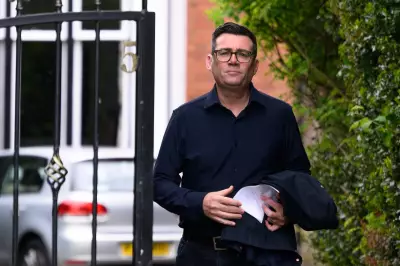
After fifteen years of intense speculation, numerous published books, a widely-read newspaper column, and countless social media threads dedicated to uncovering his identity, The Secret Footballer has finally been revealed. The man behind the pseudonym is former Reading, Stoke City, Sheffield United, and Portsmouth striker Dave Kitson, who has now publicly confirmed his role in the groundbreaking project.
The Genesis of The Secret Footballer
Kitson, now aged forty-six and working as a motivational speaker, explained that the idea for The Secret Footballer emerged from his personal dissatisfaction with the direction of professional football. "I wasn't happy with where football was going and I needed an outlet to express it for my own mental health," Kitson stated. He emphasised that writing served as a cathartic process, helping him navigate the complexities and cynicism within the billion-dollar circus of elite football.
During the peak of his popularity, dedicated websites like 'Who Is the Secret Footballer' meticulously analysed weekly dispatches for clues about his identity. His articles provided unprecedented insights into dressing room politics, the influence of agents, and the industry's inherent cynicism, setting a precedent long before podcasts and columns became commonplace for former players.
A Career Unplanned and a Writing Passion
Interestingly, Kitson never actively pursued a football career. "I never set out to be a footballer. It was one of those things that just happened," he revealed. "I wanted to be a travel writer. I wanted to get around the world and have someone pay me to do it. So, I fell into football." Despite this, he enjoyed a respectable professional career, making eighty-one Premier League appearances and scoring fifteen goals. Overall, he played four hundred and three matches for seven clubs, netting one hundred and fifteen goals and providing thirty assists.
For Kitson, The Secret Footballer became a vital platform to vent his frustrations about the industry's shortcomings. "I am The Secret Footballer. I've never said that out loud before," he confessed. "It was an idea that came to me when I wasn't happy with where football was going and I needed an outlet to express it for my own mental health."
The Turning Point: Gary Speed's Tragedy
Initially, writing provided a release, but the pressure escalated as demand for his content grew. Kitson noted that the project started as an anonymous exploration of industry dynamics without naming individuals, allowing readers to form their own opinions. However, the fun eventually gave way to significant anxiety, particularly due to fears of being outed and facing professional repercussions.
The most profound impact came when Kitson addressed mental health in a column titled Sometimes There's Darkness Behind the Light. "Nobody talked about mental health in football then. If you spoke about it, you were seen as weak," he recalled. He warned of a mental health epidemic and predicted it was only a matter of time before someone took their own life. Tragically, former Wales manager Gary Speed was found dead the day after the column's publication.
"That's when the Secret Footballer stopped being fun," Kitson admitted. "It gave the column credibility in the worst possible way. I struggled with guilt for a long time that I hadn't written it earlier. I became angry at the authorities for being passive." This event marked a turning point, leading him to eventually cease writing and withdraw from the public eye.
Regrets and Reflections
Despite the project's influence, which Kitson believes led to overhauls at the highest levels of football, he expressed regret about publishing the books. "One piece of advice to my younger self: don't write those books," he concluded. "They were fun and helped me mentally, but people always want more of you. Whatever you give is never enough. You give pieces of your soul to people."
Kitson acknowledged that while he is glad his football career shaped him, he would not necessarily miss it if he hadn't played. He highlighted the immense stress and anxiety associated with being The Secret Footballer, contrasting it with today's landscape where many former players have podcasts and outlets. "Back then, it was genuinely new," he remarked, underscoring the pioneering nature of his work.