AFC Champions League Final: Al-Ahli Win but Flawed Format Lingers
AFC Champions League Final: Al-Ahli Win, Format Flawed

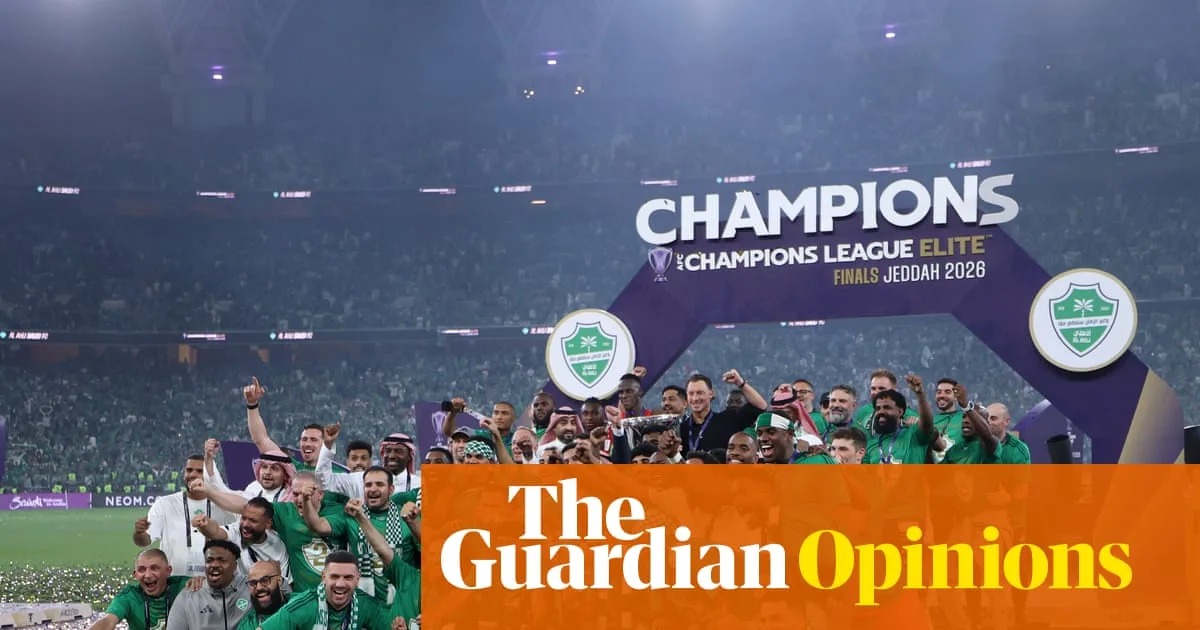
Al-Ahli secured their second consecutive AFC Champions League Elite title with a 1-0 victory over Japan's Machida Zelvia in Jeddah, but the triumph was overshadowed by a controversial red card and ongoing criticism of the tournament's format.

Match Decided in Extra Time

The deadlock was broken in extra time when Riyad Mahrez delivered a cross that caused chaos in the Machida box. Striker Firas al-Buraikan, aiming to secure a starting spot for Saudi Arabia's upcoming World Cup qualifier against Uruguay, pounced at the far post to slot home the winner in front of 60,000 home fans at King Abdullah Sports City Stadium.

The match was level at 0-0 until midway through the second half when Al-Ahli's Zakaria Hawsawi head-butted Machida's Tete Yengi on the touchline, right in front of the referee. The Australian forward, almost a foot taller than Hawsawi, crumpled to the ground. Hawsawi was correctly shown a red card, but Al-Ahli managed to hold on and eventually win.

Wide Pickt banner — collaborative shopping lists app for Telegram, phone mockup with grocery list

Contrasting Philosophies

The final pitted two clubs with vastly different backgrounds. Al-Ahli, backed by Saudi Arabia's Public Investment Fund, boast a star-studded lineup including former Premier League winners Riyad Mahrez and Edouard Mendy, along with big-money signings Ivan Toney, Galeno, and Franck Kessie. In contrast, Machida Zelvia are debutants in the competition, having never won the Japanese title and only reaching the J-League top flight in 2024. Their coach, Go Kuroda, was a high school teacher before taking the job in 2023, and his direct, physical style has drawn criticism as being "unJapanese."

Al-Ahli started with nine foreign players, while Machida fielded three. This disparity was even more pronounced in Al-Ahli's semi-final win over Vissel Kobe, where the ratio was ten to one. While Saudi Arabia celebrates another club title, Japanese media have pointed to their national team's superior performance as evidence of a healthier football ecosystem.

Format Under Fire

The AFC has decided to host the knockout stages from the quarter-finals onwards in Jeddah for the past two seasons. This meant Al-Ahli did not play a single away game in the knockout phase. Critics argue this is unfair, damages the tournament's integrity, and makes for a boring spectacle. The old system of two-legged home-and-away ties was scrapped without clear explanation.

The format has other consequences. While crowds for Saudi teams are large, the semi-final between Machida and Shabab Al-Ahli from Dubai attracted only 395 spectators in a 27,000-seat stadium. An AFC official admitted this was embarrassing and that more should be done to attract audiences, but conceded the format itself is a fundamental problem.

Furthermore, only 12 of the AFC's 47 member nations were allowed to enter a team (two more will get a playoff spot next time), leaving three-quarters of the continent excluded. The group stage is also messy, with two pots of 12 teams playing only eight games each. The war in the Middle East caused further disruptions, postponing West Asian games and moving last-16 ties from March to April.

At least the Iranian champions, Tractor SC, managed to reach Saudi Arabia, but that was a rare positive story from a Champions League that few outside Jeddah will remember fondly.

Pickt after-article banner — collaborative shopping lists app with family illustration