
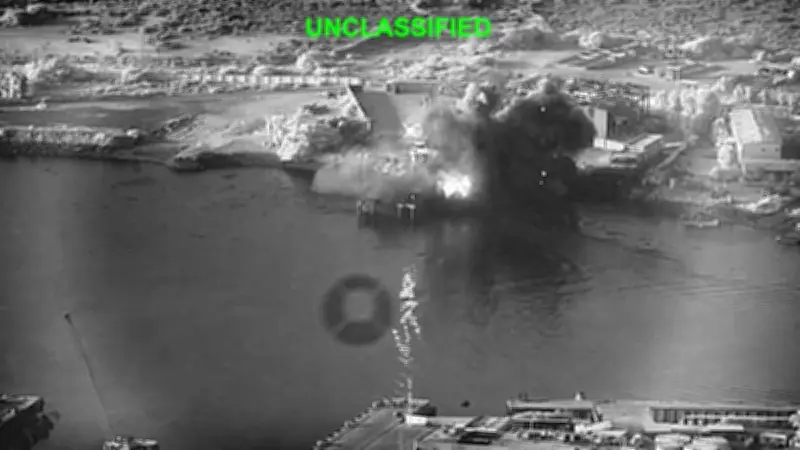
Senate Democrats on Tuesday blocked the advancement of the National Defense Authorization Act (NDAA), a must-pass defense bill, in protest of Donald Trump's resumption of hostilities with Iran. The hold-up comes amid the fiercest exchange of fire between the two countries in weeks, amplifying Democratic frustration that the US remains involved in the conflict despite the passage last month of a war powers resolution intended to force a ceasefire.
Democratic Opposition to NDAA Advancement
Chuck Schumer, the Senate's top Democrat, stated that his party could not support advancing the NDAA as long as the fighting continues. “Republicans want the Senate to take up the NDAA, the defense bill, as though none of this is happening – as though Congress can debate the nation’s central national security bill while ignoring the nation’s most urgent national security crisis,” Schumer said. “We cannot.” All Democrats in attendance voted against the measure, denying it the 60 votes needed to clear the Senate’s bar for advancement.
Trump's Threats and Backdown
Earlier in the week, Trump threatened to impose a 20% “security” fee on vessels transiting the Strait of Hormuz but backed down on Tuesday, while vowing to continue the US blockade of Iranian ports. During a meeting at the White House with Iraqi Prime Minister Ali al-Zaidi, Trump said he opposed any fee on the strait, “but at the same time, it’s not fair that we’re protecting this strait for the entire world.”
Schumer was not mollified by the change in tack, responding: “Trump has no clue what he’s doing in Iran, and it’s a recipe for utter disaster. He had no plan and no exit strategy on day one of this reckless war. We’re on day 136, and nothing has changed.”
Republican Outrage Over NDAA Blockade
Republicans are incensed at the blockade of the NDAA, which authorizes $1.15tn in defense spending for the upcoming fiscal year, in line with Trump’s proposed budget. It also contains pay increases for service members and funds for new unmanned weapons and counter-drone technology that military leaders say will be necessary for future conflicts with rivals. John Thune, the Republican majority leader, said ahead of the vote: “Democrats have allowed the politics of obstruction to determine so many of their actions for the last year and a half. I certainly hope that Democrats won’t now put politics ahead of support for our men and women in uniform.”




