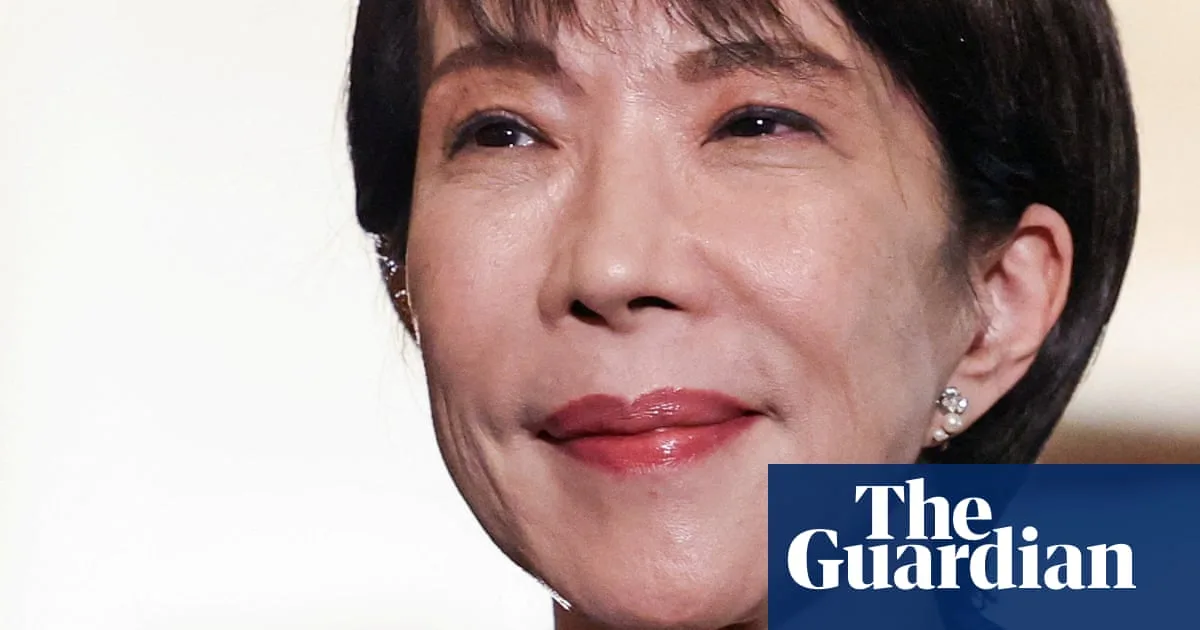
Sanae Takaichi has made history as Japan's first female prime minister, but she faces immediate challenges including a cost of living crisis, a fragile coalition, and a visit from US President Donald Trump next week. Takaichi, who replaced Shigeru Ishiba as Liberal Democratic Party (LDP) president, secured the premiership with the support of the Nippon Ishin (Japan Innovation Party) after losing the backing of long-time coalition partner Komeito.
The new coalition, described as a marriage of convenience, unites conservatives committed to higher defence spending, constitutional reform, and stricter immigration controls. However, potential conflicts over economic policy loom, including Ishin's demands for a 10% cut in lower house seats, a two-year suspension of the 8% food consumption tax, and a ban on corporate political donations. Media reports suggest LDP backers are unlikely to accept all demands.
Takaichi appointed her cabinet immediately, including Satsuki Katayama as Japan's first female finance minister, but only two women in total, despite her vow to achieve Nordic-level gender balance. She also appointed rivals Toshimitsu Motegi and Shinjirō Koizumi as foreign and defence ministers. With the LDP and Ishin still two seats short of a majority, Takaichi must seek support from non-coalition MPs to pass legislation, highlighting her precarious hold on power.
Political commentator Chiyako Sato said the era of LDP domination is over, while professor Masato Kamikubo noted Takaichi is constrained by the transactional nature of her coalition. Takaichi, 64, has shown pragmatism by avoiding constitutional reform mentions and skipping a visit to the controversial Yasukuni shrine, apparently to avoid tensions with China.