

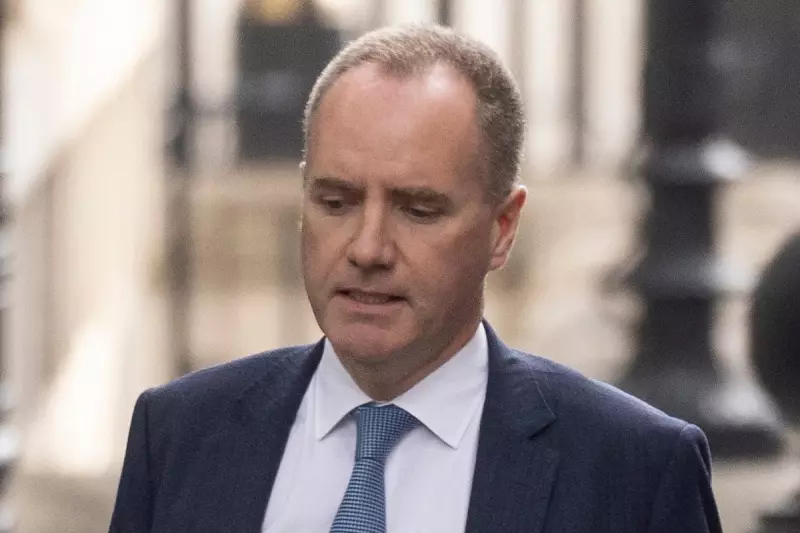
The political world witnessed a rare event this week: a resignation borne of principle rather than scandal. Richard Hughes stepped down as chair of the Office for Budget Responsibility (OBR) after a catastrophic leak of the entire Budget from the watchdog's website. His departure, announced on Tuesday 2 December 2025, marks him as a member of a dwindling band of senior figures prepared to take responsibility for failings that were not directly their own.
Why Hughes Felt Compelled to Quit
The leak, described as a "data-handling mistake," represented a serious breach. It embarrassed both the OBR and Chancellor Rachel Reeves, showed historic discourtesy to Parliament, and risked moving finance-sensitive markets. Hughes, though not personally culpable for the technical error, took full responsibility. In his resignation, he stated his action was for the good of the OBR, to allow the organisation he led for five years to "quickly move on." His offer was accepted, making it a genuine resignation, not a forced exit.
A Fading Convention of Accountability
Hughes's move stands in stark contrast to modern norms, where resignations over administrative errors are exceedingly rare. The convention has eroded, deemed not generally useful for good governance. Historical precedents include the 1954 Crichel Down affair, which saw minister Thomas Dugdale resign, and Lord Carrington's 1982 resignation as Foreign Secretary over the Falklands invasion intelligence failure. In recent years, such principled stands have been scarce, with most exits linked to personal misjudgements.

Political Fallout and the Blame Game
The resignation ignited immediate political debate. Conservative MP Kemi Badenoch argued Chancellor Reeves was using Hughes as a "human shield," suggesting she should carry the can. However, formal accountability rests with the independent adviser on ministerial standards, with dismissal unlikely. While tensions between the OBR and Treasury existed, Hughes's departure was widely seen as a personal, honourable decision, reminiscent of a bygone age of decency—akin to Anneliese Dodds's 2024 resignation over aid cuts.
Ultimately, Richard Hughes's resignation is a notable exception. It underscores that while honour in public life may be in short supply, it is not entirely extinct. His act serves as a poignant reminder of a higher standard of personal accountability, even if it is unlikely to start a new trend in Westminster's often blame-shifting culture.






