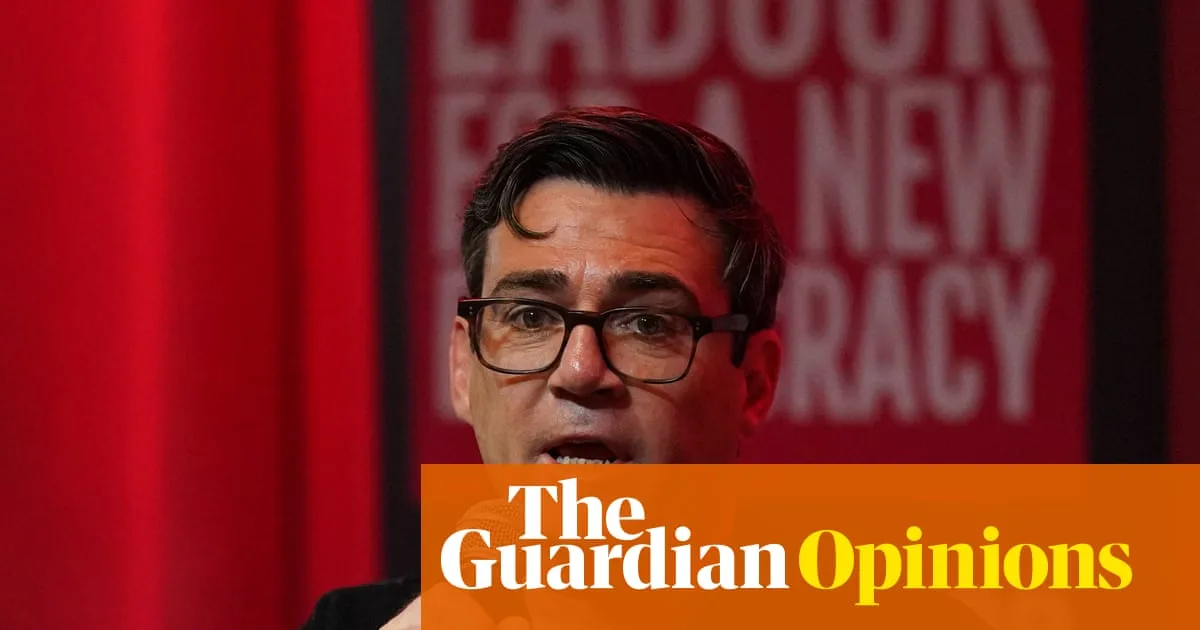
Labour has been urged to reverse its decision to block Andy Burnham from standing in the Gorton and Denton by-election, with critics arguing that the move stifles healthy political contestation. Neal Lawson, director of the cross-party campaign organisation Compass, wrote that the National Executive Committee's ruling turns its back on a collaborative and open form of politics that the party and country need.
Lawson argued that difference of opinion should be seen as a strength, not a threat, and that Burnham's mayoralty in Greater Manchester demonstrates the benefits of pluralism. He noted that Burnham's approach, which emphasises place before party, has led to consensual decision-making and made the region the fastest growing city region in the UK.
The decision to block Burnham, Lawson said, has implications beyond personality or faction, touching on how a modern government operates. He called for Starmer to reverse the decision, suggesting it would signal a reset for Labour and energise supporters, potentially turning back the tide of Reform UK.

Lawson concluded that the moment is bigger than any individual, urging Labour to reestablish principles of internal pluralism and allow future leaders to develop their thinking and networks without being blocked.