
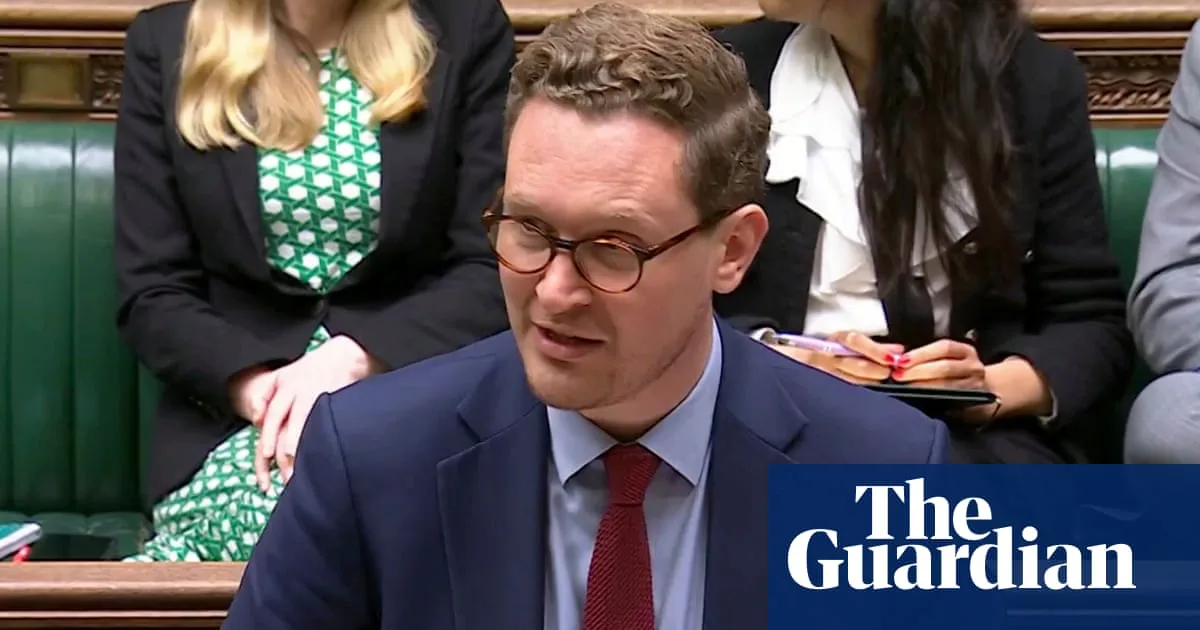
Senior civil servants in the UK will be eligible for performance-related bonuses for the first time, as part of a government plan to reward 'doers, not talkers', Cabinet Office minister Darren Jones announced. Under the new system, most civil servants will receive a 3.5% pay rise, while senior staff will get a base increase of 2.5%, with 1% held back to fund bonuses for the highest-performing officials.
The move, initially trialled by the previous Conservative government, has been championed by Labour. Jones said the government wanted to award 'higher but fewer bonuses to those exceptional senior civil servants who go above and beyond'. The government did not accept the pay review body's recommendation for a 3.5% increase for senior staff, instead opting to retain some cash to reward top performers.
The changes include a £5,000 uplift to the lowest band of senior civil servant pay, meaning some officials will see rises. Jones described the plan as 'just the start to improving our pay system', adding that it was one of many steps to 'power up the system' and ensure words are turned into action.
Lauren Crowley, assistant general secretary of the FDA union for senior civil servants, said the 3.5% overall award compared favourably to the wider public sector and current inflation. She noted that pay systems across the civil service had been 'blighted by a lack of meaningful pay progression for almost two decades', and that the changes were 'finally beginning to address this'. However, she warned that pay progression for the rest of the civil service had not yet been secured.
The announcement comes as Prime Minister Keir Starmer faces pressure to show delivery for the country. The government has made a series of announcements this week, though views of potential rivals such as Wes Streeting and Andy Burnham on civil service reform are not yet known.




