
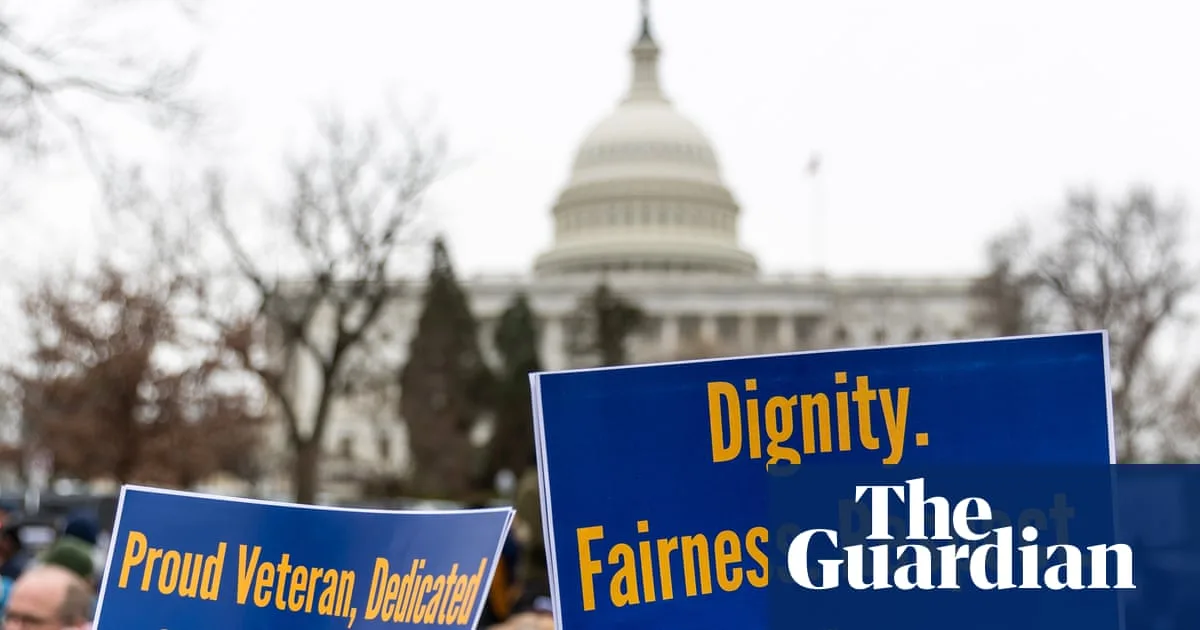
The Trump administration has issued a new rule removing civil service protections for approximately 50,000 federal employees, making it easier to fire them. The rule, announced by the Office of Personnel Management (OPM), reclassifies certain career roles to allow agencies to quickly remove employees who engage in misconduct, perform poorly, or obstruct presidential directives.
The changes also alter whistleblower protections. Instead of the independent Office of Special Counsel handling disclosures, individual federal agencies will now determine job protections for whistleblowers within their departments. Critics argue this undermines safeguards for those reporting wrongdoing.
The rule builds on an executive order issued on President Trump's first day in office on 20 January 2025, which reclassified thousands of federal employees as political appointees. Trump stated on Truth Social in April 2025 that employees who refuse to advance the president's policies or engage in corruption should not have a job, adding that the federal government should be 'run like a business.'
A similar attempt, known as Schedule F, was made during Trump's first term in October 2020 but was rescinded by President Biden before implementation. The new rule is set for publication in the Federal Register on Friday and will face legal challenges from the American Federation of Government Employees (AFGE) and Democracy Forward, who have pledged to fight it in court.
AFGE president Everett Kelley called the rule 'a direct assault on a professional, nonpartisan, merit-based civil service,' accusing the administration of silencing whistleblowers and replacing competent professionals with political flunkies. OPM director Scott Kupor defended the reclassification as bringing 'much-needed accountability' to career policy-influencing positions.




