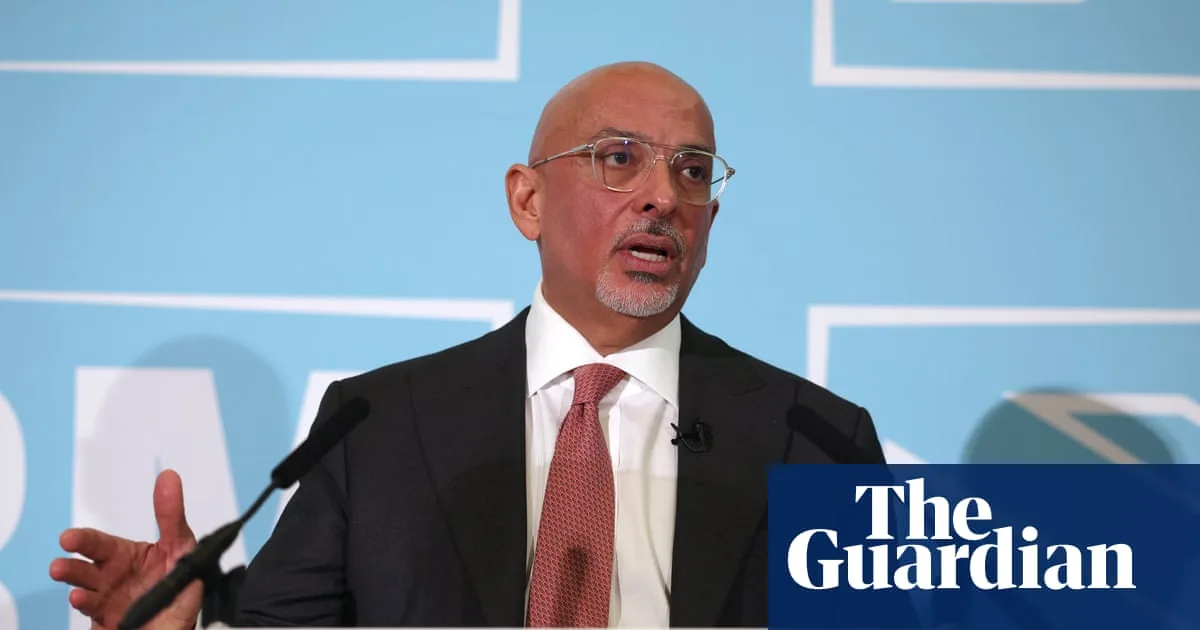
Nadhim Zahawi's 'Tory Party Would Die' Remark Fuels Debate on Party's Future
Zahawi's 'Tory Party Would Die' Remark Sparks Internal Debate

A resurfaced video clip featuring former Chancellor Nadhim Zahawi has ignited fresh debate about the internal state and future direction of the Conservative Party. The footage, highlighted by commentator Andrew Pierce, captures Zahawi making a stark prediction about the party's fate in relation to Nigel Farage.

The Controversial Comment and Its Context

In the video, Nadhim Zahawi is seen stating that the Conservative Party would effectively "die" if Nigel Farage were ever allowed to join its ranks. This blunt assessment, made during a previous political discussion, has taken on new significance as the Tories face significant electoral challenges and internal strife. The remark underscores the deep-seated tensions between the mainstream Conservative establishment and the populist, Brexit-aligned politics represented by Farage.

Andrew Pierce brought the clip to wider attention, using it to illustrate his argument about the party's current trajectory. The timing is particularly sensitive, with the Conservatives lagging in opinion polls and grappling with questions over leadership and strategy. Zahawi's words, though historical, are now being framed as a prophetic warning or a symptom of the very divisions plaguing the party today.

Internal Tensions and the 'Farage Question'

The core of the issue lies in the persistent influence of Nigel Farage. As the driving force behind the UK Independence Party (UKIP) and the Brexit Party, now Reform UK, Farage has long been a thorn in the side of the Conservative leadership, pulling voters and shaping the political agenda on issues like immigration and EU sovereignty. Discussions about whether to embrace or reject his political brand have caused rifts within Tory ranks for years.

Zahawi's comment explicitly frames Farage's potential inclusion as an existential threat. This viewpoint represents a significant strand of Conservative thought that believes accommodating Farage's style and policies would alienate moderate voters and destroy the party's traditional identity. Conversely, others argue that ignoring the concerns of the voters Farage represents is a greater electoral danger.

What This Means for the Conservative Party's Future

The resurfacing of this video is more than a historical footnote; it is a lens through which to view the party's current decline in polling and public confidence. The debate it fuels touches on fundamental questions: Should the party move further to the right to reclaim voters lost to Reform UK? Or should it seek a centrist revival? Zahawi's stark "die" warning highlights the high-stakes nature of this strategic dilemma.

Analysts suggest that such public airing of past internal warnings exacerbates a sense of crisis. It points to a party struggling to define itself after Brexit, amidst economic pressures and a cost-of-living crisis. The fact that a senior figure like Zahawi once felt the need to make such a definitive statement reveals the depth of the factional struggle that continues to simmer.

Ultimately, this episode emphasises the ongoing battle for the soul of the Conservative Party. As it prepares for a challenging general election, the choices it makes between its traditional base and the voters attracted to Farage's rhetoric will likely determine its fate for years to come, making Zahawi's old warning a surprisingly relevant topic of discussion today.




