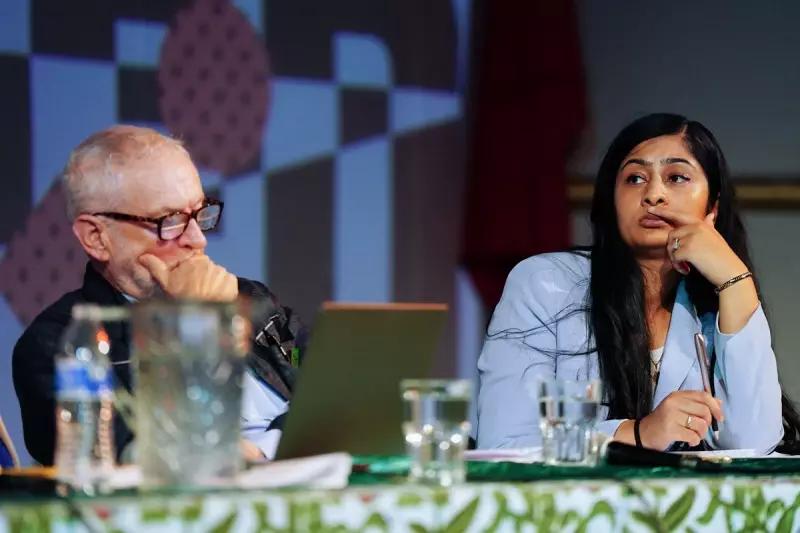
The new political project led by Jeremy Corbyn and Zarah Sultana, currently operating under the working title 'Your Party', is preparing for its inaugural conference in Liverpool this weekend amidst a backdrop of significant internal discord.
A Weekend of Crucial Decisions
Delegates gathering in Liverpool face two fundamental choices that will define the party's future. Firstly, they will vote on a permanent name for the organisation. The options on the table are 'Your Party', 'Our Party', 'Popular Alliance', and 'For The Many'.
Secondly, the conference will determine the party's leadership structure. Members will choose between adopting a 'collective leadership model' or opting for a traditional single leader. This vote comes after the party's steering group officially ruled out the possibility of having co-leaders earlier this week.

Rocky Start and Public Disagreements
The journey to this inaugural conference has been far from smooth. The party has been plagued by public disagreements between its two most prominent figures, Jeremy Corbyn and Zarah Sultana.
These tensions were highlighted by a botched membership launch, which exposed the operational challenges and internal divisions facing the fledgling group.
The situation escalated with the departure of two MPs from the party's steering process. Both Iqbal Mohamed and Adnan Hussain have stepped away from their roles. Mr Hussain was particularly vocal about his reasons for leaving, citing 'persistent infighting' and an internal 'struggle for power'.
Defining the Party's Future
This weekend's conference in Liverpool, scheduled for Friday 28 November 2025, therefore represents a critical juncture for the project. The decisions made on the party's name and leadership model are seen as essential first steps towards stabilising the organisation and presenting a united front to the public.
How effectively the party can move past its very public internal struggles and establish a clear, coherent identity will likely determine its capacity to attract members and make a meaningful impact on the UK's political landscape.