

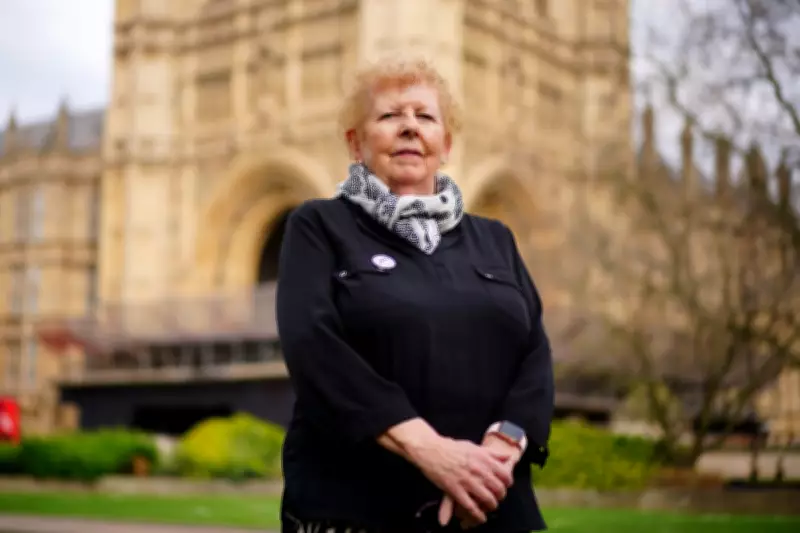
Campaigners representing the Women Against State Pension Inequality (Waspi) movement are intensifying their efforts to secure parliamentary action, demanding a binding vote in the House of Commons on compensation for women impacted by the communication of state pension age changes. This renewed push follows the Government's recent confirmation that it will not provide payments to those affected, marking the second such refusal.
Government Rejects Compensation for Second Time
Last week, Work and Pensions Secretary Pat McFadden reiterated the Government's stance, stating that compensation would not be offered to women born in the 1950s who were affected by how changes to the state pension age were communicated. McFadden argued that evidence indicates most of these women were already aware of the increases through various public information channels, including leaflets, education campaigns, information in GP surgeries, and media coverage on television, radio, cinema, and online.
He further contended that implementing a broader flat-rate compensation scheme would be unfair, and creating a targeted scheme to compensate only those who suffered injustice would necessitate verifying the individual circumstances of millions of women, which he deemed impractical.

Waspi's Call for Parliamentary Democracy
In response, Waspi has launched a new letter campaign, urging supporters to contact their MPs to pressure the Government into allowing a parliamentary vote. Angela Madden, chairwoman of Waspi, emphasised the need for democratic accountability, stating, "There must be a binding vote on compensation in Government time so all our elected representatives can have their say." This move aims to ensure that every MP can participate in the decision-making process, rather than leaving it solely to executive discretion.
The campaign's urgency is heightened by the rediscovery of a 2007 Department for Work and Pensions (DWP) evaluation, which previously led officials to halt the sending of automatic pension forecast letters. This document has prompted a review of the Government's earlier decision not to offer redress, yet the outcome remains unchanged, fueling campaigners' frustrations.
Background and Ongoing Struggle
The Waspi campaign has long highlighted the plight of women who argue they were not adequately informed about increases to the state pension age, leading to financial hardship and disrupted retirement plans. Despite persistent advocacy and public support, the Government has maintained its position, citing the complexity and cost of compensation as key barriers.
As the debate continues, campaigners are mobilising grassroots efforts to amplify their voice in Parliament, hoping that a binding vote will force a reconsideration of the compensation issue and bring justice to the affected women.






