Minnesota Governor Tim Walz Stumbles in Capitol Hill Grilling Over Autism Costs and Gender
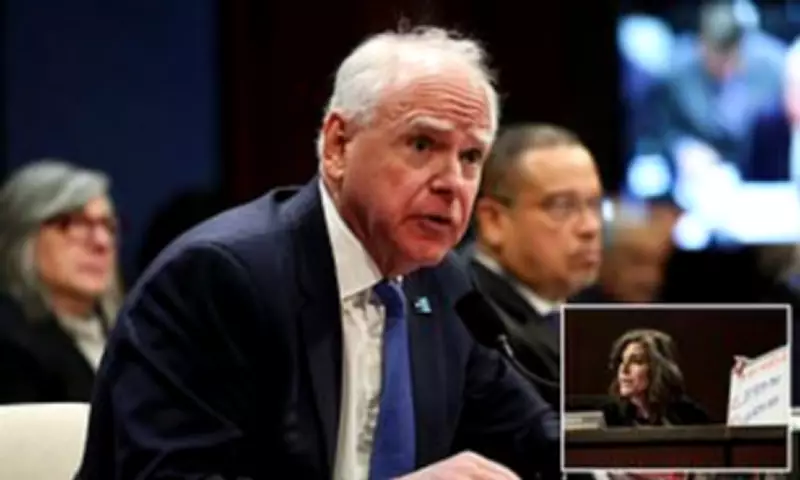
Minnesota Governor Tim Walz was left visibly uncomfortable during a House Oversight Committee hearing on Wednesday, failing to answer fundamental questions about his state's skyrocketing autism expenditure and refusing to define what constitutes a woman. The encounter, led by Republican Congresswoman Nancy Mace of South Carolina, highlighted deepening scrutiny over alleged fraud in Minnesota's social services programs.
Mace Presses Walz on Autism Spending Surge and Gender Definition
From the outset, Congresswoman Mace put Governor Walz on the defensive, demanding an explanation for how Minnesota's autism spending ballooned from a mere $1 million in 2017 to an astonishing $343 million in 2024. Before delving into the financial figures, Mace revisited a viral exchange from last year, asking pointedly: 'What is a woman? Have you learned that lesson? Do you know what a woman is?'
Walz bristled at the question, retorting, 'I'm the governor of Minnesota, congresswoman - I'm not here to be your prop for your obsession!' Unfazed, Mace countered, 'If you can't even define what a woman is, you can't define fraud,' before pressing him further on the escalating costs associated with children on the autism spectrum in Minnesota.

Governor Unable to Provide Basic Data on Autism Programs
Throughout the hearing, Walz repeatedly failed to furnish answers to Mace's inquiries. When asked about the specific autism expenditure in 2017, he admitted, 'I don't have those numbers in front of me, Congresswoman.' Mace persisted, questioning whether he had prepared for the hearing, but Walz remained unable to address key metrics, including:
- The number of children in Minnesota diagnosed with autism
- Per-pupil spending amounts for autism services
- Comparative figures between 2017 and 2024 expenditures
This lack of preparedness occurred as Walz appeared alongside Minnesota Attorney General Keith Ellison to address allegations of billions in fraud within the state's Medicaid-funded social services programs.
Background: A Deepening Scandal Involving Massive Fraud
The hearing unfolded against the backdrop of a widening scandal involving fraudulent activities in Minnesota's welfare systems, including daycare payments and COVID-19 relief loans. Prosecutors have revealed that at least 78 individuals linked to the Feeding Our Future program defrauded the federal government of up to $300 million by falsely claiming reimbursement for meals served to children during the pandemic. This scheme stands as the largest pandemic relief fraud in American history.
Alleged misuse of funds included purchases of luxury vehicles like Lamborghinis and Porsche SUVs, beachfront properties in Kenya, and private villas in the Maldives. Notably, the vast majority of those convicted or charged in connection with these scams are from the Somali community.
On December 18, US Attorney Joe Thompson disclosed that investigators had uncovered approximately $9 billion in stolen federal Medicaid funds from 14 Minnesota programs since 2018. Among 92 defendants charged across child nutrition, housing services, and autism program frauds, 82 are Somali. It has since emerged that Walz had connections with some of the refugees implicated in the fraud.
Political Fallout and Walz's Departure
Last month, Governor Walz announced he would not seek re-election, citing personal reflections with his family that he could not fully commit to a political campaign. This decision followed his role as Kamala Harris' running mate in the 2024 presidential election. His exit paves the way for Democratic Senator Amy Klobuchar, who recently secured her fourth term with over 56% of the vote despite high Republican turnout driven by President Donald Trump.
Klobuchar's strong electoral record—including more than 60% support in 2018 and over 65% in her initial statewide run in 2012—positions her as a formidable candidate for the governorship. With minimal political risk, as defeat would still allow her to serve in the Senate until 2030, her potential gubernatorial bid adds another layer to Minnesota's evolving political landscape amid ongoing scandals.