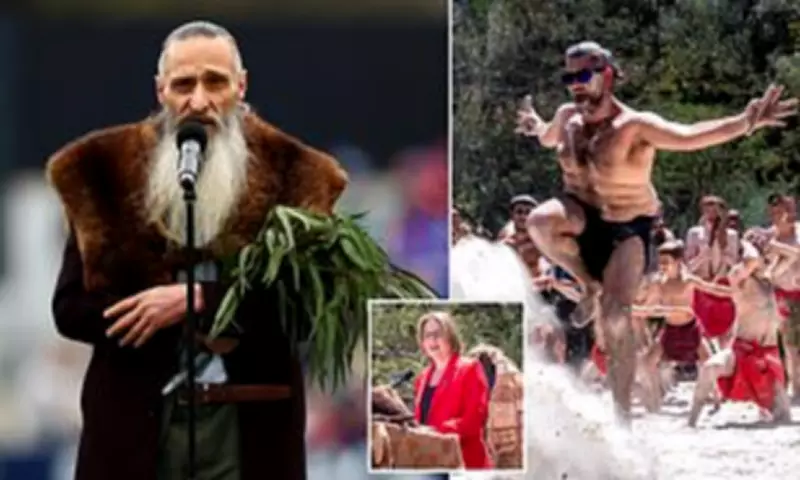
Victoria's New Indigenous Assembly to Cost Taxpayers $6 Million Annually in Salaries
The newly established Indigenous assembly in Victoria, formed through the state's controversial Treaty process, will impose a significant financial burden on taxpayers with an annual wage bill of $6 million. This substantial expenditure comes as the Gellung Warl entity prepares to replace the existing First Peoples’ Assembly of Victoria, marking a pivotal shift in Indigenous representation and governance.
Staggering Salary Figures Revealed
According to recently released documents, the leadership of Gellung Warl will receive a substantial salary of $348,000 per year. Meanwhile, regular elected representatives within the 33-person assembly are set to earn more than $197,000 annually. These figures represent a dramatic increase compared to the current stipends of $96,946 received by members of the First Peoples’ Assembly of Victoria, effectively doubling the previous compensation.
Representatives assigned to higher duties will receive an additional $29,851 annually, further contributing to the overall financial commitment. The newly approved salary bands, which were determined by an independent panel that included a member of the Victorian Independent Remuneration Tribunal, sit just below the $211,972 earned by elected Victorian parliamentary members.

Election Timeline and Operational Details
Elections to select the inaugural 33 members of Gellung Warl are scheduled to commence in April, with the assembly officially convening on May 1. However, questions persist regarding the expected workload for these elected officials. A newly released document indicates that while the role is "expected" to be full-time due to "significant community and cultural expectations," the specific time commitment will be decided collectively by members once they begin their terms.
The document further clarifies that Gellung Warl officials "may take on other employment while in the role, provided they do not work in government departments or for ministers or politicians." This flexibility allows members to potentially hold other paid or unpaid positions on a part-time or occasional basis to meet community or cultural obligations.
Justification and Broader Treaty Context
A spokesperson for the First Peoples’ Assembly of Victoria defended the new salary structure, stating that the compensation is "justified" because of the "importance of the roles that will represent Indigenous Victorians and are pivotal to the rollout of the Treaty agreement." The spokesperson emphasized that members' responsibilities mirror those of state MPs, including decision-making, advocacy, community engagement, and relationship-building with the broader Victorian community.
The treaty process itself has already incurred an estimated cost of $776 million since work began in 2016. Gellung Warl is set to receive $70 million annually in taxpayer funding, a figure subject to regular review and expected to increase over time. More than 30,000 Indigenous Victorians are anticipated to be eligible to participate in the upcoming election for the assembly.
Educational and Cultural Implications
Key aspects of the treaty include mandatory "truth-telling" education for all Victorian students from prep to year 10. This curriculum will teach that the "colony of Victoria was established without the consent, negotiation or recognition of the traditional owners of these lands and waters." Additionally, Gellung Warl will "participate in the ceremonial life of the state," potentially leading to an increase in Welcome to Country ceremonies.
The assembly will also wield authority over the use of Aboriginal and Torres Strait Islander flags and other "physical markers of treaty." Furthermore, Gellung Warl will serve as a "naming authority" for geographic locations such as mountains, state parks, and rivers, aiming to "increase opportunities for the use of traditional or language place names."
Controversial Provisions and Future Impact
The treaty introduces several contentious measures, including potential restrictions on access to skiing, snowboarding in alpine areas, and hunting and fishing at the request of Aboriginal groups. These proposals were debated earlier this month, highlighting the far-reaching implications of the agreement.

Gellung Warl will also be empowered to establish "substantive rules relating to how First Peoples' organisations in Victoria provide certificates evidencing that a person is accepted as an Aboriginal or Torres Strait Islander person by the Aboriginal or Torres Strait Islander community." This authority underscores the assembly's significant role in shaping Indigenous identity and recognition processes within the state.
The controversial treaty bill was introduced by Premier Jacinta Allan's Labor government in September 2025, with detailed provisions now publicly available on a government website. As Victoria moves forward with this groundbreaking initiative, the financial and cultural ramifications of Gellung Warl's establishment will continue to be closely scrutinized by taxpayers and policymakers alike.