US Political Landscape Under Scrutiny After Minneapolis Shooting and White House Premiere
Recent events in the United States have painted a troubling picture of the nation's political climate, drawing sharp criticism from international observers. The juxtaposition of a controversial Immigration and Customs Enforcement (ICE) shooting in Minneapolis with a lavish White House propaganda film premiere has highlighted what many perceive as systemic decay and hypocrisy within American leadership.
Minneapolis Shooting Incident and Political Fallout
On Saturday 15th January 2026, federal ICE agents in Minneapolis shot Alex Pretti, a protesting nurse who was legally carrying a licensed firearm that he never produced during the encounter. The incident sparked immediate controversy, particularly as high-level officials within the Trump administration reportedly provided misleading accounts of what transpired.
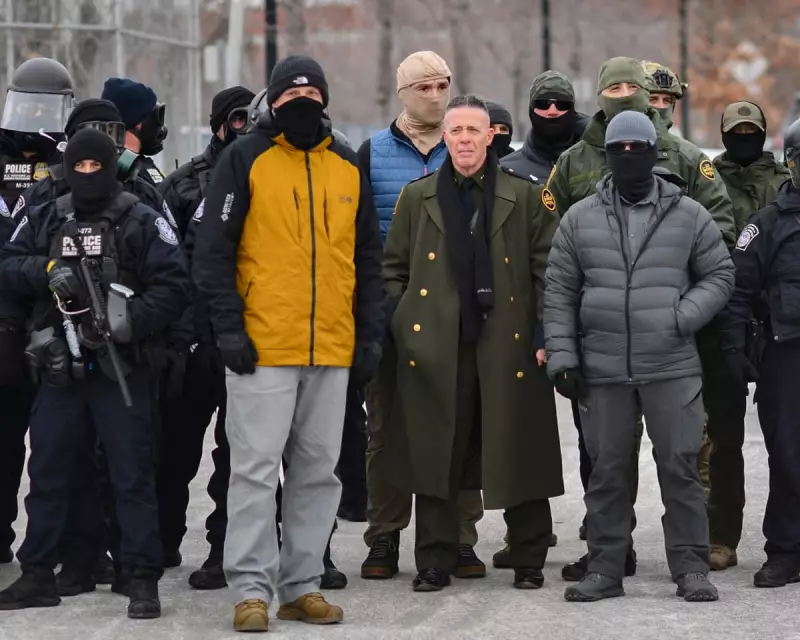
The aftermath saw border patrol "commander at large" Gregory Bovino being withdrawn from Minneapolis operations, potentially facing retirement as what appears to be a sacrificial figure in the political machinery. Bovino, whose appearance notably resembles characters from political dramas, represents just one element of a broader pattern where federal officers have been documented operating in civilian clothing while protesters increasingly adopt military-style attire.

Remarkably, the National Rifle Association issued a statement calling for a full investigation into Pretti's killing, noting that carrying a licensed firearm is constitutionally protected – a position that places them at odds with some MAGA supporters who defended the shooting. This ideological confusion highlights the political disarray surrounding gun rights and law enforcement accountability.
White House Propaganda and Oligarch Influence
Simultaneously in Washington, the White House hosted a premiere for "Melania," a documentary about the president's wife who served as executive producer and received unspecified compensation. The film was purchased by Amazon for an astonishing $40 million (£30 million), with an additional $35 million allocated for marketing – figures wildly disproportionate to typical documentary budgets and widely interpreted as political patronage.
The event attracted regime loyalists alongside notable figures like Apple CEO Tim Cook, who had recently posted about Martin Luther King's commitment to justice on social media platforms that simultaneously hosted videos of Pretti's shooting. This contradiction between corporate virtue signaling and practical complicity illustrates what critics describe as oligarchic hypocrisy within American power structures.
International Perception and Diplomatic Consequences
From a global perspective, these developments reinforce negative perceptions of American political culture. The combination of violent law enforcement incidents, transparent propaganda efforts, and corporate-political collusion has led many international observers to question the health of American democracy.
Tourism data indicates declining visitor numbers from previously enthusiastic markets, while diplomatic relations with NATO allies have been strained by presidential rhetoric that dismisses allied military contributions. This is particularly notable given that NATO's collective defense clause has only been activated once since its inception – at America's request following the September 11th attacks.
The ordinary citizens who defend such actions as the Minneapolis shooting represent what critics describe as a troubling political culture where loyalty to authority overrides concern for civil liberties and factual accuracy. This dynamic, combined with elite corruption and institutional decay, creates what international observers increasingly characterize as political dysfunction reminiscent of authoritarian regimes.
Broader Implications for American Democracy
These events collectively suggest a nation grappling with profound political contradictions. The same administration that champions free speech demonstrates intolerance for dissent, while law enforcement agencies operate with questionable accountability alongside lavish displays of political propaganda funded by corporate interests.

The situation raises fundamental questions about the direction of American democracy and its standing in the international community. As domestic polarization intensifies and institutional norms erode, the rest of the world watches with growing concern about what these developments mean for global stability and democratic values worldwide.