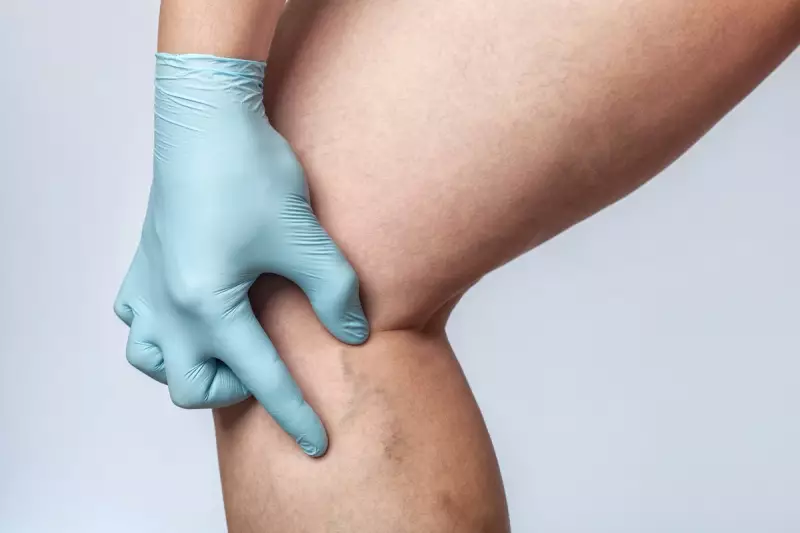
Former US President Donald Trump has reportedly been diagnosed with chronic venous insufficiency (CVI), a circulatory condition that affects blood flow from the legs back to the heart. While not life-threatening, the condition can cause discomfort and, in severe cases, lead to complications.
What Is Chronic Venous Insufficiency?
CVI occurs when the veins in the legs fail to efficiently return blood to the heart, often due to weakened or damaged valves. This can result in blood pooling in the legs, leading to swelling, pain, and skin changes.
Symptoms to Watch For
- Leg swelling (oedema), particularly after prolonged standing
- Aching or heaviness in the legs
- Varicose veins or spider veins
- Skin discolouration or thickening around the ankles
- Leg ulcers in advanced cases
How Serious Is Trump's Condition?
While CVI is a chronic issue, it is manageable with lifestyle adjustments and medical treatment. Compression stockings, elevation, and regular exercise can help alleviate symptoms. In more severe cases, medical procedures may be required to improve circulation.

Trump, known for his vigorous campaign schedule, may need to adapt his routine to minimise prolonged standing, which can exacerbate symptoms.
Why This Matters
Given Trump's potential 2024 presidential run, his health remains a topic of public interest. While CVI is not uncommon—especially in older adults—it underscores the broader conversation about age and fitness for office in US politics.