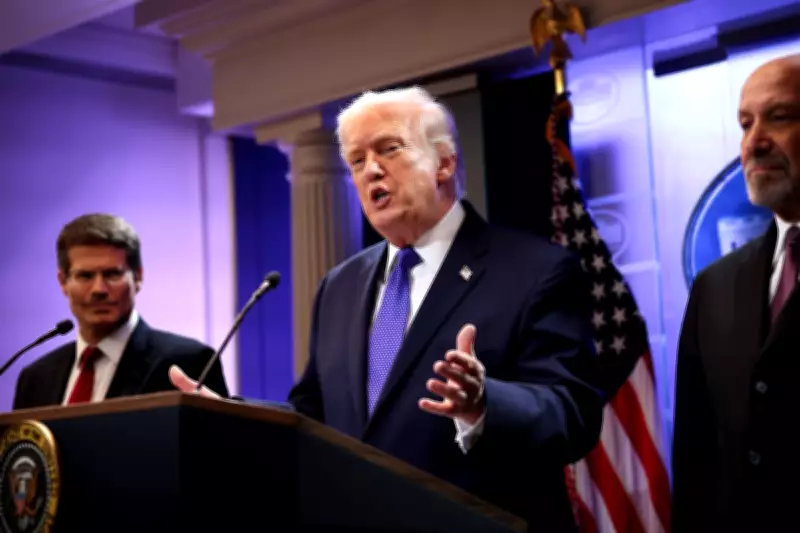
President Donald Trump has publicly shrugged off concerns about rising U.S. gasoline prices, which have surged due to the escalating military conflict with Iran. In an exclusive interview with Reuters on Thursday, Trump emphasized that the ongoing U.S. operation remains his primary focus, displaying notable indifference to the economic impact on American consumers.
"I Don't Have Any Concern About It"
When questioned about higher costs at the pump, Trump stated bluntly, "I don't have any concern about it." He elaborated, "They'll drop very rapidly when this is over, and if they rise, they rise, but this is far more important than having gasoline prices go up a little bit." This marks a significant shift from his rhetoric just last month, when he highlighted falling gas prices during his State of the Union address and at a Texas energy rally.
Political Risks and Economic Pressure
Political analysts warn that sustained increases in gas prices could harm Republican prospects in the upcoming November midterm elections, where control of the U.S. Congress is at stake. Voters are already expressing dissatisfaction with the high cost of living and Trump's economic stewardship. Despite this, Trump projected a four-to-five-week timeline for the military campaign against Iran, a timeframe that experts have questioned given the lack of a clear end goal as the conflict spreads regionally.

White House Engages with Energy Executives
Behind the scenes, White House Chief of Staff Susie Wiles and Energy Secretary Chris Wright have met with oil CEOs to explore strategies for combating rising energy prices, according to White House press secretary Karoline Leavitt. However, three energy executives told Reuters that the administration has limited effective options. One executive noted anonymously, "When you look across the menu of policy options, domestically or within other countries, they can be helpful, but they don't move the needle far."
Market Disruption and Price Increases
Global oil prices have surged by 16 percent since the war began on Saturday, disrupting Middle East supplies. According to AAA, the national average cost of gas has climbed 27 cents since last week, reaching $3.25 per gallon. This current average is 15 cents higher than a year ago. Trump, however, maintained that costs "haven't risen very much," even as the White House banks on the conflict—and the resulting pain at the pump—proving short-lived.
Administration Measures and Strategic Decisions
Secretary of State Marco Rubio stated earlier this week that the administration was preparing a package of measures to address rising energy prices. So far, only U.S.-backed risk insurance for oil tankers and potential naval escorts through the Strait of Hormuz have been unveiled. Officials are also discussing other options, including:
- A federal gasoline tax holiday
- Easing environmental regulations to permit higher ethanol blends in summer gasoline
- A potential release from the Strategic Petroleum Reserve
Trump explicitly ruled out tapping the reserve for now, expressing confidence that the Strait of Hormuz would remain open and asserting Iran's navy is at the "bottom of the sea."
Internal Deliberations and Market Stability
White House energy advisers have reportedly informed Trump's aides that the initial shock in fuel markets has been less severe than anticipated, urging patience, according to two anonymous sources. These advisers cautioned that any intervention failing to quickly reduce prices could destabilize markets and prove counterproductive. Congressional Republican leaders, such as House Speaker Mike Johnson, have similarly dismissed concerns about rising gas prices, even as the party plans to center its midterm election strategy on economic successes.