Trump Unveils New White House Ballroom Render Amid Legal Battle
Trump Reveals White House Ballroom Design Amid Controversy

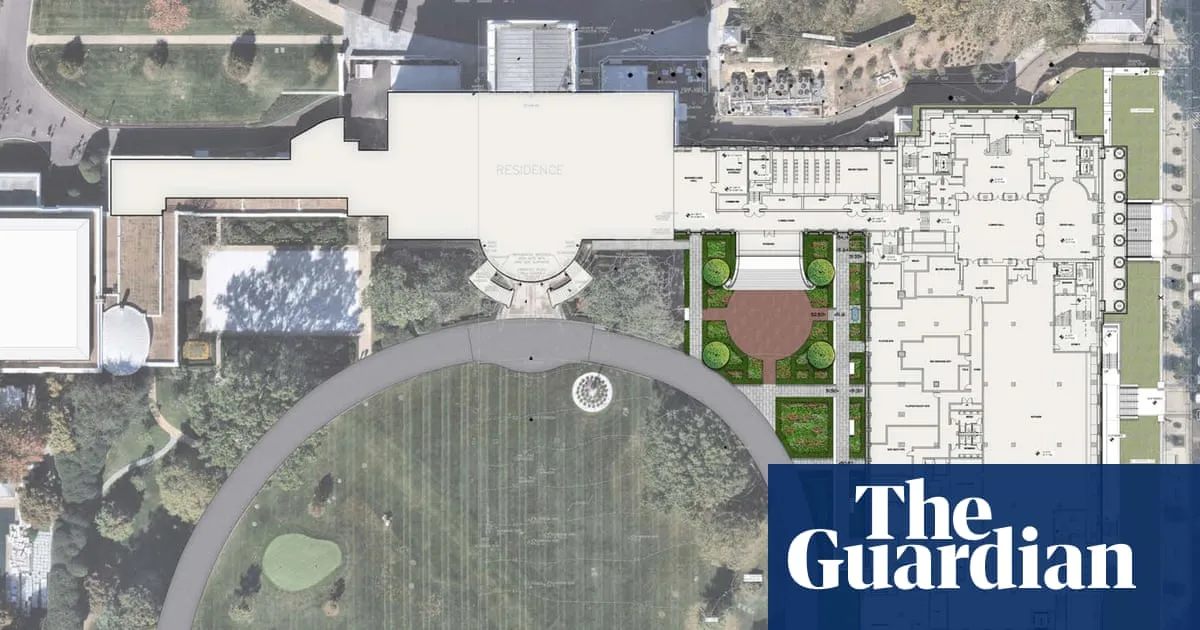
Former President Donald Trump has unveiled the latest architectural rendering of what he describes as "the much anticipated White House Ballroom," a $400 million project that has sparked significant controversy and legal challenges. Trump took to his Truth Social platform to celebrate the design, insisting that his new ballroom will be the "Greatest of its kind ever built!!"

Trump's Vision for a 'Magnificent New East Wing'

In his social media post on Tuesday, Trump detailed his vision for the structure, which he says replaces the "very small, dilapidated, and rebuilt many times, East Wing" with a "magnificent New East Wing." He noted that the new building will be taller than the White House's Executive Mansion and highlighted design elements such as the North Wall being a replica of the North Facade of the White House. The latest rendering is generally similar to previous drawings shared by Trump, maintaining the grandiose aesthetic he has promoted.

Project Specifications and Features

The proposed ballroom is projected to cover approximately 90,000 square feet, making it an expansive addition to the White House complex. The attached "New East Wing" will include several luxury amenities, such as a new office for the First Lady, a state-of-the-art movie theatre, and a commercial kitchen. This ambitious project aims to transform the historic site into a modern, opulent venue for official events and gatherings.

Legal and Preservationist Backlash

Trump's decision to demolish the historic East Wing to make way for this ritzy ballroom has been met with severe criticism, particularly from historic preservationists. The National Trust for Historic Preservation sued the Trump administration in December, seeking to force the president to submit his plans for the ballroom to several review bodies, including Congress and the public. The lawsuit requests a court order to pause construction until these demands are met, arguing that the project threatens a significant piece of American heritage.

National Security Arguments in Court

Despite the legal challenges, construction at the site has not been ordered to stop. Trump's Department of Justice is actively working to ensure it continues, citing national security concerns. In a filing on Monday, the DOJ asked a federal judge overseeing the lawsuit to stay any injunction against the construction, alleging that halting the project would imperil the President and others who live and work in the White House. The administration argues that leaving the site incomplete poses risks and would "endanger national security and therefore impair the public interest."

Additionally, the filing claims that an incomplete project would "leave an unsightly excavation site in President’s Park indefinitely," further justifying the need to proceed without interruption. This request comes just over a week after Judge Richard Leon expressed skepticism about Trump's claim that he could fund and build the ballroom using private donations without congressional authorisation, highlighting the ongoing legal and political tensions surrounding the project.

Broader Implications and Public Reaction

The controversy extends beyond legal battles, touching on issues of historic preservation, executive power, and public accountability. Critics argue that the project prioritises luxury over legacy, while supporters see it as a necessary upgrade to the White House's facilities. As the case progresses, it remains a focal point for debates on how national landmarks should be managed and who has the authority to make such transformative decisions.

With the Trump administration preparing to submit a second classified statement from the Secret Service to bolster its national security argument, the outcome of this legal standoff could set precedents for future presidential projects and historic site modifications. The public and political spheres continue to watch closely as this high-stakes dispute unfolds in Washington, D.C.