Trump Issues Pardons to Five Former NFL Players for Various Offences
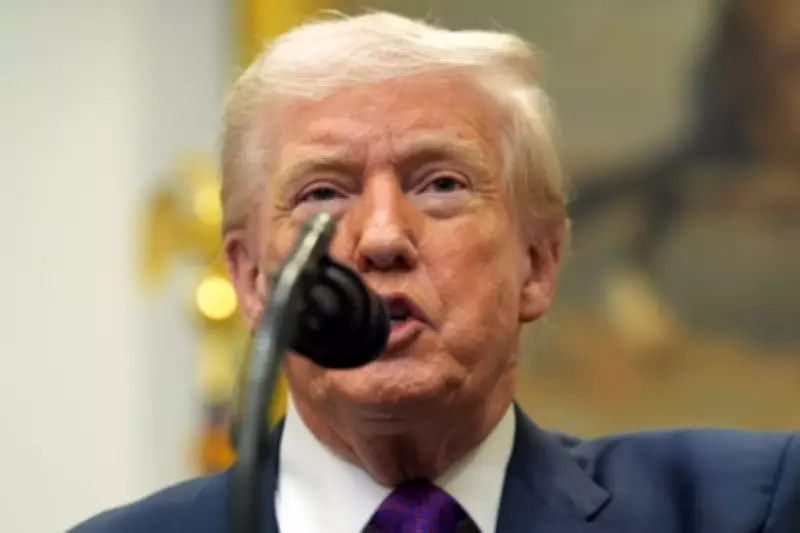
In a significant move, former President Donald Trump has granted pardons to five former National Football League players, including one posthumously, for a range of criminal offences. The pardons cover crimes such as perjury, drug trafficking, and counterfeiting, highlighting Trump's ongoing focus on criminal justice reform and offering second chances to individuals with past convictions.
Details of the Pardons and the Players Involved
The players who received pardons are Joe Klecko, Nate Newton, Jamal Lewis, Travis Henry, and the late Billy Cannon. Each of these individuals had been convicted of various offences, with the pardons aimed at clearing their records and providing a fresh start. The announcement was made by White House pardon czar Alice Marie Johnson, who praised Trump's dedication to rehabilitation and justice.
Alice Marie Johnson commended Trump's actions, stating that the pardons reflect his commitment to offering 'second chances' to those who have served their time and demonstrated remorse. This move is part of a broader pattern of Trump using his pardon power to address cases he deems worthy of clemency, often focusing on high-profile individuals or those with compelling personal stories.

Background on the Cases and the Posthumous Pardon
Billy Cannon, who passed away in 2018, was pardoned for counterfeiting, an offence he admitted to in the mid-1980s. Cannon faced financial difficulties at the time, which led to his involvement in the crime. His posthumous pardon serves as a symbolic gesture, acknowledging his contributions to football and his later efforts to rebuild his life.
The other players, such as Joe Klecko, Nate Newton, Jamal Lewis, and Travis Henry, had been convicted of offences including perjury and drug trafficking. Their pardons are intended to remove the legal barriers that can hinder reintegration into society, such as employment challenges and social stigma. This action underscores the ongoing debate about criminal justice reform and the role of executive clemency in addressing past injustices.
Implications and Broader Context
This event ties into larger political narratives, as Trump has previously linked his actions to electoral outcomes, suggesting that not winning midterm elections could lead to impeachment. The pardons may be seen as part of his strategy to appeal to certain voter bases or to reinforce his image as a leader willing to take controversial stands on justice issues.
Overall, the pardons of these former NFL players highlight the intersection of sports, politics, and criminal justice in the United States. They raise questions about fairness, redemption, and the power of the presidency to shape individual lives long after legal proceedings have concluded.