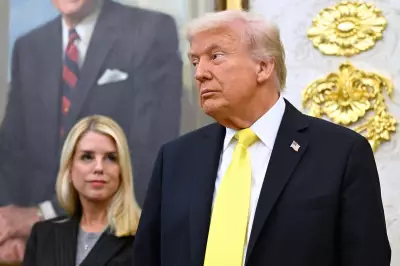
Donald Trump signed an executive order on Friday directing the Department of Homeland Security to immediately provide payment to Transportation Security Administration agents, as a partial government shutdown persists with no resolution in sight. This move comes amid stalled negotiations on Capitol Hill, where House Republicans have rejected a Senate-passed deal aimed at funding key DHS subagencies, including the TSA.
Funding Impasse and Political Standoff
The legislative deadlock centers on a bill that would finance most of the Department of Homeland Security but withhold funds from Immigration and Customs Enforcement and part of Customs and Border Protection. House Republicans' rejection of this Senate-approved legislation jeopardizes efforts to end a 42-day partial shutdown, which has resulted in thousands of DHS employees missing paychecks and widespread travel disruptions due to extended airport security lines.
Democratic Response and Airport Chaos
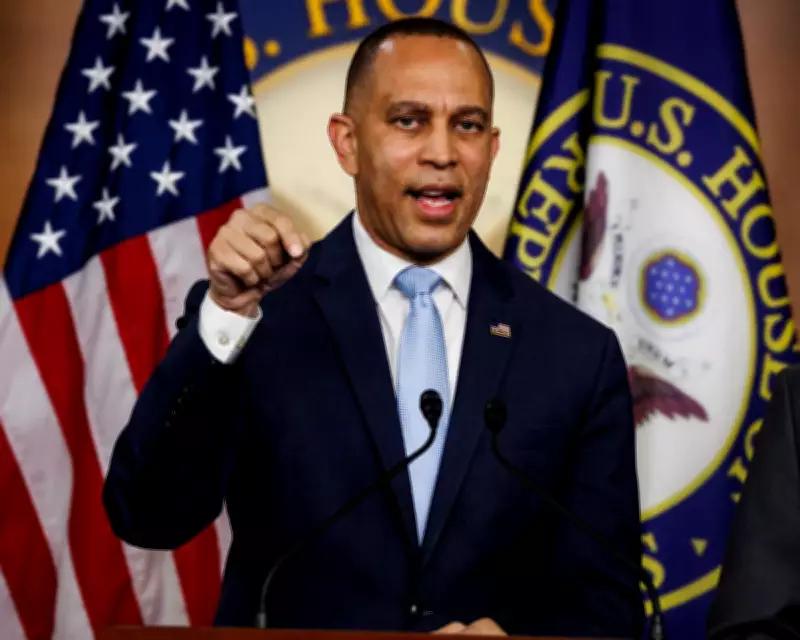
House minority leader Hakeem Jeffries, alongside Democratic whip Katherine Clark and Democratic caucus chair Pete Aguilar, addressed reporters, asserting that House Democrats support the Senate bill to fund the majority of DHS. Jeffries emphasized that House Republicans are "the only thing standing" in the way of resolving the nationwide airport chaos. "House Democrats are prepared to support the bill to end the Trump Republican shutdown of the Department of Homeland Security," he stated, highlighting the political divide over the funding crisis.

Cybersecurity Breach and International Tensions
In a separate development, Iran-linked hackers infiltrated the personal email account of FBI director Kash Patel, publishing photographs and other documents online. Both the hackers and the bureau confirmed the breach on Friday, raising concerns about cybersecurity vulnerabilities.
US Operation Against Iran
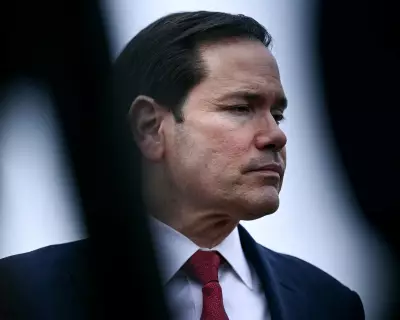
Meanwhile, US Secretary of State Marco Rubio indicated that Washington's operation against Iran is expected to conclude within "weeks, not months," despite ongoing regional violence and threats from Israel to escalate attacks against the Islamic Republic. Following a meeting with G7 foreign ministers in France, Rubio told reporters, "When we are done with them here in the next couple weeks, they will be weaker than they've been in recent history," underscoring the intensifying geopolitical tensions.
These events collectively underscore a period of significant domestic and international challenges, with the government shutdown impacting federal workers and travelers, while cybersecurity breaches and foreign policy maneuvers add to the complexity of the current political landscape.