Trump Signs Executive Order to Pay TSA Agents Amid Ongoing Shutdown
President Donald Trump has signed an executive order instructing the Department of Homeland Security to immediately pay Transportation Security Administration agents, as a partial government shutdown extends into its 42nd day. The order comes after House Republicans rejected a Senate-passed deal to fund key DHS subagencies, including the TSA, leaving negotiations on Capitol Hill stalled.
Unprecedented Emergency Situation Declared
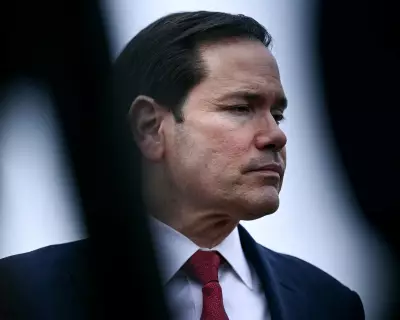
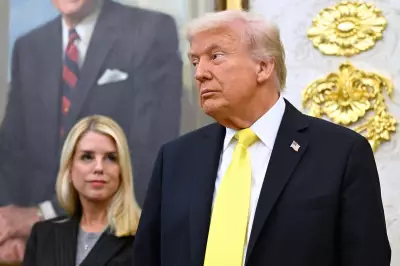
In a memorandum to DHS Secretary Markwayne Mullin and Office of Management and Budget Director Russell Vought, Trump described the situation as an "unprecedented emergency." He blamed Democrats for the shutdown, accusing them of prioritizing "criminal illegal aliens over American citizens." The president first announced his intention to pay over 60,000 airport security workers on Truth Social, without specifying the funding source.
"If Democrats in the Congress will not act to honor the service of our TSA officers ... then my administration will take action," Trump stated in the memorandum.

Immediate Payment Process Begins
A DHS spokesperson confirmed to the Guardian that the TSA has "immediately begun the process of paying its workforce," with officers potentially receiving paychecks as early as 30 March. However, the department did not clarify what funds are being used for these payments, raising questions about the financial mechanisms behind the order.
Impact of the Shutdown on TSA Operations
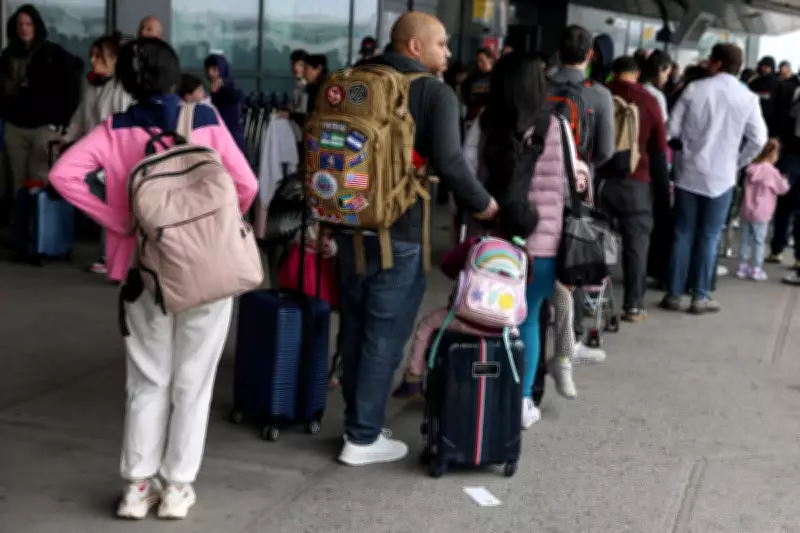
TSA agents have gone without pay for more than a month, leading to severe nationwide staffing shortages and hours-long security lines at airports. The acting TSA chief has reported that this situation has produced the "highest wait times in TSA history." In response, the administration deployed Immigration and Customs Enforcement agents to airports this week, purportedly to assist with security operations.
Nearly 500 TSA officers have quit since last month, exacerbating the staffing crisis. The six-week impasse has had devastating financial consequences for remaining employees. Acting administrator Ha Nguyen McNeill informed Congress that by Friday, employees were expected to have missed $1 billion in paychecks.
"Many in our workforce have missed bill payments, received eviction notices, had their cars repossessed and utilities shut off, lost their childcare, defaulted on loans, damaged their credit line, and drained their retirement savings," McNeill testified.
Broader Context and Future Implications
The executive order highlights the deepening political divide over government funding, with Trump taking unilateral action amid congressional deadlock. The shutdown's effects on airport security and TSA morale underscore the broader challenges facing federal agencies during prolonged budgetary disputes. As the situation unfolds, the sustainability of using executive orders to bypass legislative processes remains a contentious issue, with potential implications for future governance and emergency responses.