
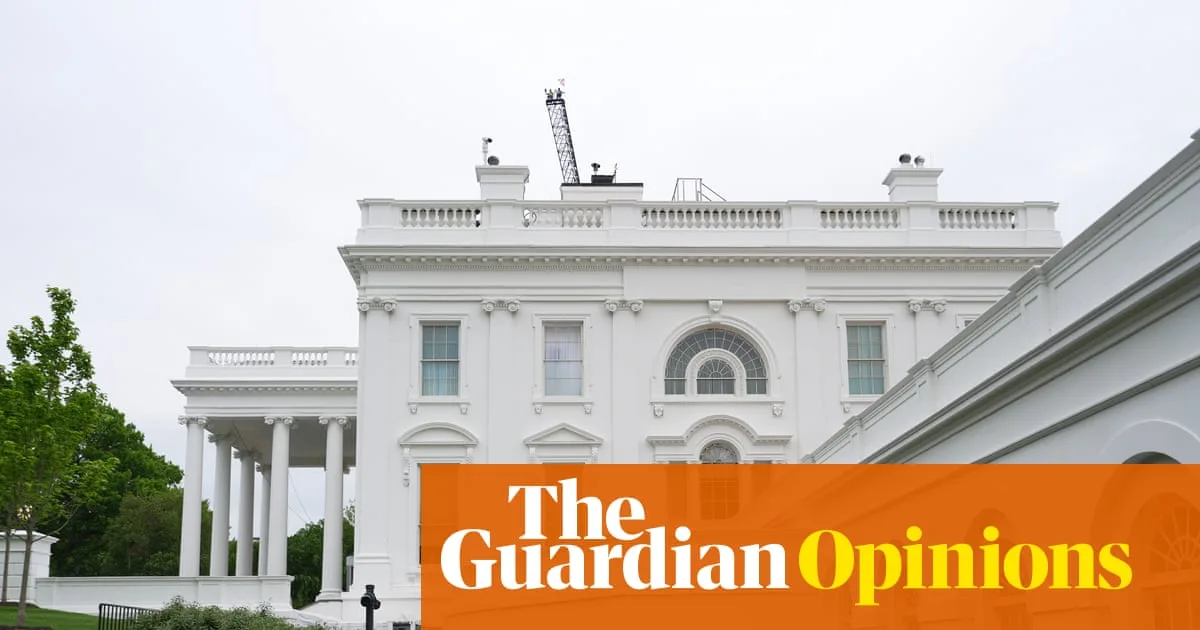
President Donald Trump has renewed calls for the construction of a heavily fortified ballroom beneath the White House, describing it as a 'Militarily Secure Top Secret Ballroom' with bulletproof glass and a roof resistant to drone attacks. Speaking after a recent assassination attempt, Trump declared that the project 'cannot be built fast enough'.
The ballroom obsession predates the assassination attempt, according to biographers who note that catering and ballrooms have been among Trump's few successful business ventures. The space would provide a stage for grand entrances and controlled crowds, similar to the ballroom at Mar-a-Lago. Critics argue that the edifice symbolises a desire for autocratic power and isolation from the public.
Legal challenges have dogged the project. A judge appointed by George W. Bush barred construction in the absence of authorisation from Congress, a ruling that Trumpists have sought to overturn by claiming the ballroom is a matter of national security. The judge's opinion noted that the large hole next to the White House—declared a special risk—was of the president's own making.
Republicans have rushed to introduce legislation to circumvent the legal hurdle, and a lawsuit was recently filed against the National Trust for Historic Preservation using language that mimics Trump's rhetoric, including accusations of 'Trump Derangement Syndrome'. The White House Correspondents Association has been urged to refuse holding events inside a building from which it is supposed to maintain critical distance.
The push for a ballroom bunker has drawn comparisons to Silicon Valley 'apocalypse bunkers', with commentators warning that Trump's focus on security reflects a fear of his own citizens. The op-ed by Jan-Werner Müller argues that only a tyrant needs a fortress removed from a republic's centre, while a popular ruler can have an open edifice.




