Trump Administration Battles Minnesota in Court Over Evidence Access and Federal Surge
Federal judges in Minnesota are poised to make crucial decisions that could block Homeland Security from investigating the fatal shooting of Alex Pretti and potentially force the withdrawal of federal officers from the state, effectively ending Donald Trump's controversial surge operation. The legal confrontation represents a significant escalation in tensions between state authorities and the Trump administration over immigration enforcement tactics.
Evidence Preservation Becomes Central Legal Flashpoint
Hours after the shooting of 37-year-old Veterans Affairs nurse Alex Pretti in Minneapolis on January 24, Minnesota law enforcement agencies filed an emergency lawsuit to prevent Homeland Security officials from destroying or altering evidence related to the incident. A Trump-appointed judge granted a temporary restraining order that same night, but Department of Justice lawyers are now aggressively seeking to dissolve that order, insisting the investigation falls under federal jurisdiction.
Assistant U.S. Attorney Friedrich Siekert argued before Judge Eric C. Tostrud on Monday that any state requests for evidence in potential criminal investigations against the agents who fired ten shots at Pretti would only become available through standard public records requests after "the conclusion of all federal matters." This position has sparked fierce opposition from Minnesota officials who fear critical evidence may be compromised or withheld indefinitely.

Minnesota Officials Decry "Unlawful Invasion" and Demand Withdrawal
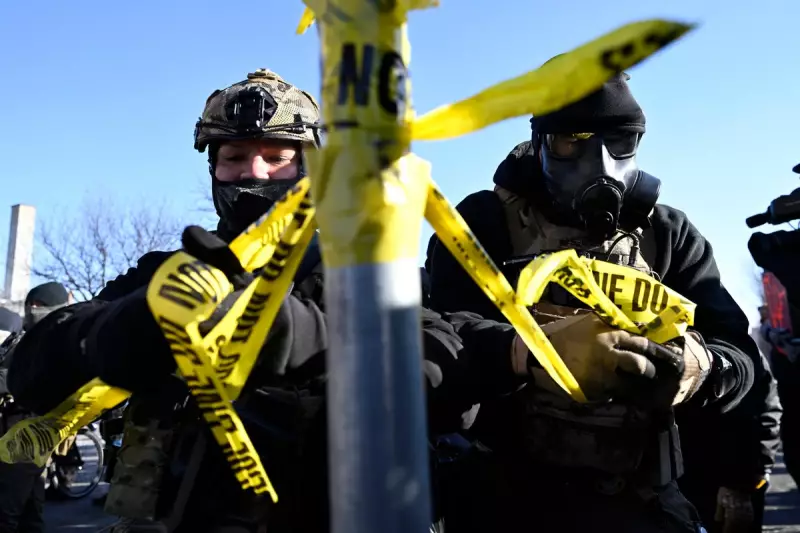
The evidence battle unfolded alongside separate legal arguments in which Minnesota officials demanded the Trump administration withdraw more than 2,000 federal officers from the state. Attorneys representing Minnesota characterized the federal presence as an "unlawful and unchecked invasion" that has upended daily life through racial profiling, illegal detentions, and use of deadly force.
District Judge Katherine Menendez acknowledged the extraordinary circumstances, noting she faces a weighty decision that could disrupt the administration's efforts to patrol Democratic-led states and cities with masked immigration officers as part of its mass deportation campaign. The judge observed these are "shockingly unusual times" and appeared to agree there has been "an enormous amount of collateral damage" from Trump's weeks-long surge operation.
Controversial Conditions Emerge for Federal Withdrawal
During proceedings, Judge Menendez repeatedly questioned government attorneys about a letter from Attorney General Pam Bondi to Governor Tim Walz that suggested Trump might withdraw federal officers if Minnesota repeals sanctuary policies and provides extensive voter information along with lists of Medicare and food assistance recipients. "Is the executive trying to achieve a goal through force that it cannot achieve through the courts?" the judge pointedly asked.
Justice Department attorney Brantley Mayers maintained the government's position, stating, "We're here, as I've said, to enforce federal immigration law. There is nothing to back up this claim that we are here for another reason." However, hours later, White House press secretary Karoline Leavitt appeared to confirm the conditional nature of any withdrawal, suggesting border patrol officers "will no longer be needed" if Minnesota implements "common-sense cooperative measures" outlined in Bondi's letter.
State Officials Accuse Administration of "Extortion" Tactics
Minnesota attorneys responded with outrage to what they characterized as coercive tactics. Assistant Attorney General Brian Carter told Judge Menendez, "That's what you'd expect from someone extorting you. They're trying to coerce plaintiffs to legislate in the way that they want. They're trying to hijack the state's legislative process. They're trying to get us to turn over voter rolls. What does that have to do [with immigration enforcement]?"
In a separate lawsuit, Minnesota officials accused federal officers of denying state law enforcement any access to the shooting scene. According to court filings, federal officers departed hours after the incident, "allowing the perimeter to collapse and potentially spoiling evidence" while taking "exclusive possession of evidence from the scene."

Evidence Handling Raises Serious Concerns About Transparency
Minnesota Assistant Attorney General Peter Farrell highlighted "serious irregularities" in evidence handling during Monday's hearing, including Homeland Security officials posting a photograph of the firearm allegedly recovered from the scene and making statements about Pretti immediately after the shooting. The investigation is being led by Homeland Security Investigations (HSI), which according to sworn declarations must preserve all evidence collected.
However, conflicting information emerged about evidence custody. While HSI Special Agent in Charge Mark Zito stated evidence should be properly transferred to HSI custody, an FBI official's redacted sworn statement indicated "all evidence was collected and transported back to the FBI Minneapolis Field Office." This evidence reportedly includes body-worn camera footage that Customs and Border Protection's Office of Professional Responsibility claims has been "preserved."
Growing Fears Over Critical Video Evidence Preservation
Attorney General Keith Ellison expressed profound concern about the potential loss of crucial footage, telling reporters, "I am so concerned that the video is not being preserved that I sought an order from the district court, just a couple of nights ago. What other choice do we have? That's how concerned I am." When questioned about whether the administration would publicly release the footage, White House press secretary Karoline Leavitt responded, "That's not something I've heard the president commit to, so I won't do that here."
Greg Bovino, the top border patrol official overseeing Trump's ground operations, confirmed that officers involved in the shooting remain employed but "not in Minneapolis." He refused to disclose their location or provide details about their background and the shooting itself, citing concerns about "doxxing" and employee safety. "As far as the number of shots, the number of agents involved, that is going to come out in the investigation," Bovino stated.
The legal battles continue as Minnesota officials fight to preserve evidence, ensure transparency in the investigation, and end what they describe as a violent occupation that violates state sovereignty while the Trump administration maintains its authority to enforce federal immigration laws through controversial surge operations.