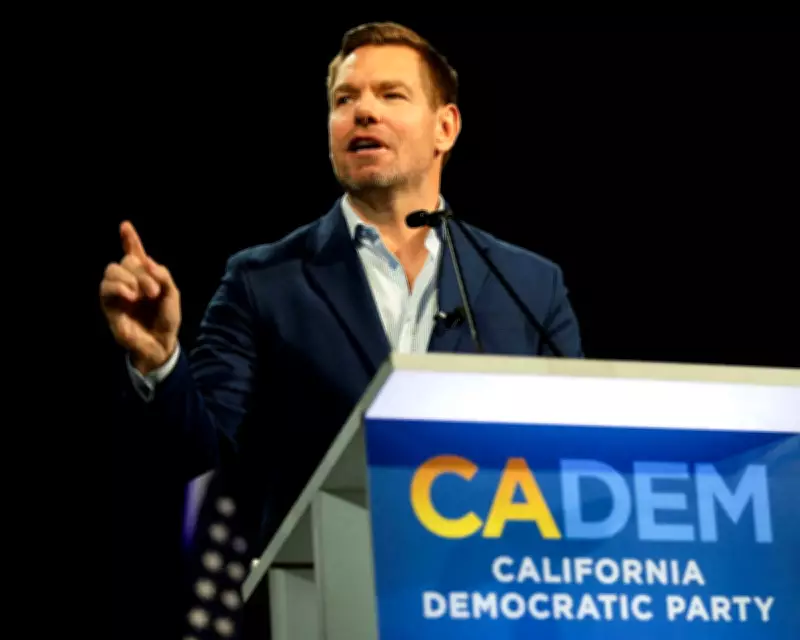
A significant political confrontation unfolded in the United States Congress as former President Donald Trump and Democratic Congressman Eric Swalwell engaged in a fierce debate over Iran policy. The clash, which occurred during a congressional session, highlighted deep-seated divisions within American politics and raised concerns about the future direction of foreign relations.
Background of the Dispute
The dispute centers on differing approaches to Iran, with Trump advocating for a hardline stance and Swalwell pushing for diplomatic engagement. This disagreement reflects broader ideological splits between Republicans and Democrats, particularly in the aftermath of recent geopolitical tensions.
Trump's Position
Donald Trump, known for his assertive foreign policy during his presidency, argued for increased pressure on Iran through sanctions and military deterrence. He emphasized the need to prevent nuclear proliferation and counter regional threats, citing past actions such as the withdrawal from the Iran nuclear deal.

Swalwell's Response
Eric Swalwell countered by advocating for renewed diplomacy and multilateral cooperation. He warned that aggressive tactics could escalate conflicts and undermine international alliances, calling for a more measured approach to ensure long-term stability.
Broader Political Implications
This clash is not an isolated incident but part of a larger pattern of partisanship affecting policymaking in Congress. Analysts suggest that such debates could influence upcoming elections and shape public opinion on critical issues like national security and global diplomacy.
Impact on Congress Dynamics
The heated exchange has strained relations between political factions, potentially hindering bipartisan efforts on other legislative matters. Observers note that this could lead to further gridlock in an already polarized environment.
Public and Media Reaction
Media coverage of the event has been extensive, with various outlets highlighting the dramatic nature of the confrontation. Public reaction has been mixed, reflecting the divided sentiments across the nation regarding foreign policy strategies.
Looking Ahead
As tensions persist, the debate over Iran policy is expected to remain a focal point in political discourse. Both sides are likely to continue advocating for their positions, with potential implications for international relations and domestic politics in the coming months.