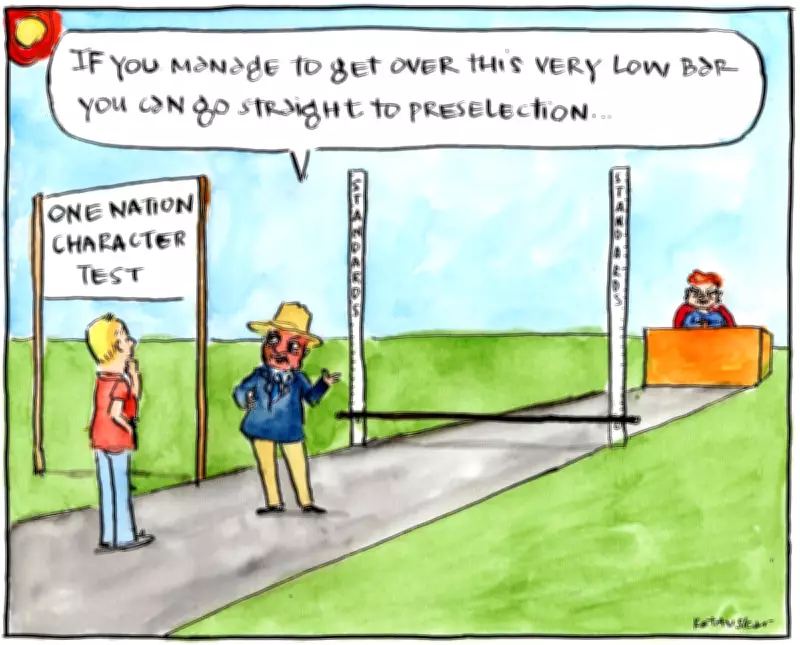
Running for political office under the banner of One Nation, a movement known for its populist and nationalist stance, involves a rigorous and multifaceted journey. This process is designed to ensure candidates align closely with the party's core values and are prepared to represent its vision effectively.
The Selection Process: A Stringent Gateway
Prospective candidates must first navigate a stringent selection process. This typically includes submitting detailed applications, undergoing interviews with party officials, and participating in assessments that evaluate their commitment to One Nation's principles. The party places a strong emphasis on ideological purity, seeking individuals who can articulate its messages on issues such as immigration, national sovereignty, and economic protectionism.
Ideological Alignment and Training
Once selected, candidates often undergo training programs to hone their skills in public speaking, media engagement, and policy advocacy. These sessions are crucial for preparing them to handle the pressures of a campaign and to communicate One Nation's platform clearly to voters. The training also reinforces the party's emphasis on grassroots connections, encouraging candidates to engage directly with local communities.

Grassroots Campaigning: The Heart of the Effort
Grassroots campaigning is a cornerstone of running for One Nation. Candidates are expected to build strong local networks, attend community events, and leverage social media to amplify their messages. This approach reflects the party's populist ethos, which prioritizes direct engagement with ordinary citizens over traditional elite-driven politics.
Fundraising and resource management are also critical aspects. Candidates must often rely on small donations and volunteer support, as One Nation tends to eschew large corporate backing in favor of a more decentralized financial model. This can pose challenges but also fosters a sense of authenticity and connection with the base.
Challenges and Controversies
Running for One Nation is not without its challenges. Candidates may face scrutiny from opponents and the media, particularly on controversial stances related to immigration or social policies. Additionally, internal party dynamics can influence candidacy, with factions sometimes vying for influence over selection decisions.
Despite these hurdles, many are drawn to the opportunity to champion One Nation's vision, which resonates with segments of the electorate disillusioned with mainstream politics. The candidacy process, while demanding, serves as a filter to ensure that only the most dedicated and aligned individuals advance to represent the movement.