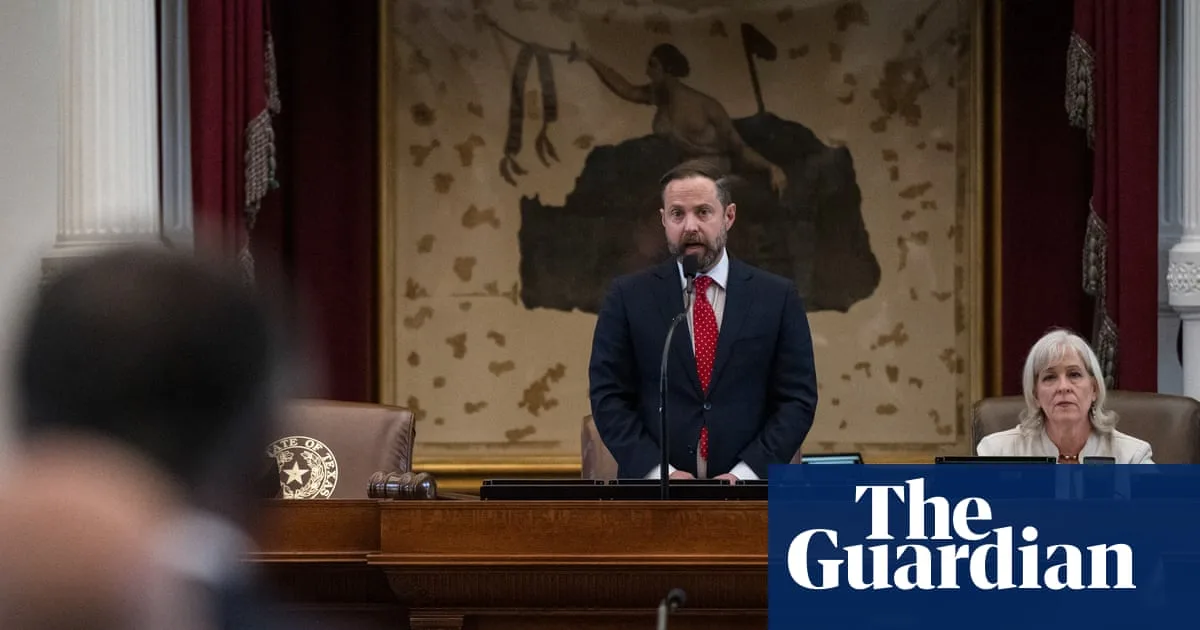
In a bold political maneuver, Texas Republicans are actively investigating the possibility of extending the Lone Star State's boundaries into neighboring New Mexico. This dramatic initiative stems from mounting dissatisfaction among conservative, oil-producing counties in southeastern New Mexico, which claim they are consistently overlooked by the liberal administration in Santa Fe.
Political Tensions Spark Border Expansion Proposal
Texas House Speaker Dustin Burrows, a Republican from Lubbock, has instructed lawmakers to conduct a comprehensive analysis of the potential annexation of one or more counties from southeastern New Mexico. This directive, issued as part of Burrows's interim charges on Thursday, mandates a thorough examination of the constitutional, statutory, fiscal, and economic consequences of incorporating New Mexican territory into Texas.
The focal point of this effort is Lea County, a staunchly conservative region that has repeatedly clashed with New Mexico's state leadership. If pursued, this ambitious plan would necessitate approvals from multiple governmental tiers, likely triggering years of legal disputes and political negotiations.
Parallel Secession Movements Gain Momentum
Simultaneously, across the state border in New Mexico, Republican legislators are advancing their own initiative to facilitate county-level secession from the state. Representatives Randall T Pettigrew and Jimmy G Mason have reintroduced a proposal that would empower counties to vote on complete separation from New Mexico, potentially catalyzing an unprecedented cross-border political realignment in contemporary American history.
Lea County and its adjacent areas are situated above the Permian Basin, a highly lucrative oil and gas region that ranks among the nation's most productive. Many residents argue that decisions emanating from the state capital in Santa Fe fail to align with their community's economic interests and conservative principles.
Cultural and Political Divides Deepen
Advocates of the border expansion contend that the rift is as much cultural as it is political, characterizing it as a conflict between a rural, energy-centric region and a Democratic-led state government perceived as disconnected from local values. Critics, however, dismiss the proposal as primarily symbolic, viewing it as a political gesture unlikely to overcome the substantial legal obstacles required to alter state boundaries.
Burrows has unequivocally expressed his stance on the matter. In a mid-February post on X, he declared, 'Texas would gladly welcome Lea County back to Texas, where it rightfully belongs.' Speaking to the Austin American-Statesman, Burrows elaborated, asserting that southeastern New Mexico has been marginalized by its own state government.
'Southeast New Mexico deserves a real voice in its own future, not one dictated by Santa Fe. It's a conservative, energy-rich region with a fierce independent streak, and West Texas has shown what's possible when you respect oil and gas, protect property rights, and trust local communities,' Burrows stated. 'This conversation is ultimately about culture, opportunity, and the right to choose a path that reflects the shared values of the Permian and Delaware basins.'
Legal Hurdles and Political Dynamics
The study commissioned by Burrows will scrutinize constitutional provisions in Texas, New Mexico, and the United States, alongside federal legislation and judicial precedents, to outline the precise procedures needed to implement such a boundary modification. Any territorial transfer between states would demand consent from both state legislatures, voter approval, and congressional authorization—a stringent requirement that has rendered similar proposals exceptionally rare.
Presently, no immediate action is underway, but the move signals that influential Texas legislators are open to considering an idea once regarded as marginal. Notably, Texas Lieutenant Governor Dan Patrick has not incorporated a comparable proposal into his interim priorities and has not publicly endorsed the plan.
Broader Secession Context and Public Sentiment
This proposal coincides with the longstanding 'Texit' movement, which advocates for Texas to secede entirely from the United States. Although this campaign has periodically attracted attention and support from some Republican candidates, it remains far from mainstream acceptance.
Other states, including California, harbor their own separatist movements. According to YouGov polling, nearly one-third of residents in both California and Texas favor independence, indicating a notable segment of pro-secession sentiment among Americans in these regions.
The Permian Basin, spanning West Texas and southeastern New Mexico, yields millions of barrels of oil daily, positioning it as a cornerstone of the U.S. energy supply. This economic significance underscores the high stakes involved in the border expansion debate, as control over such resources could profoundly impact regional and national energy dynamics.