Liberal Leader's Immigration Speech Draws Widespread Criticism
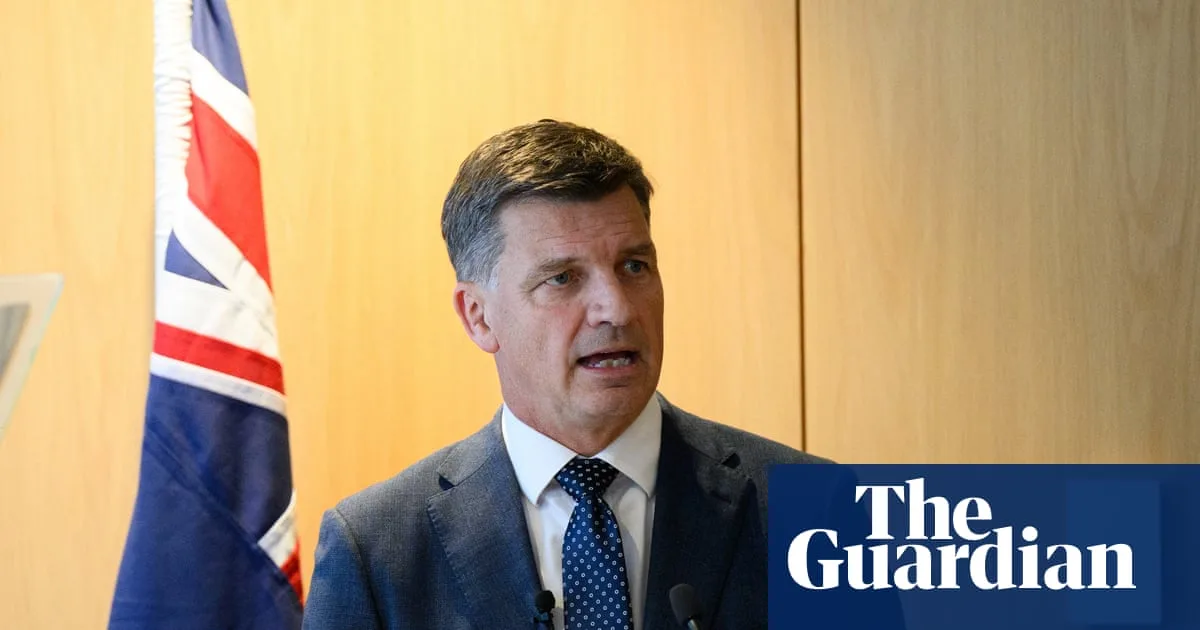
Opposition leader Angus Taylor has ignited a political firestorm with his first major policy announcement since assuming leadership of the Liberal party, delivering a controversial speech on immigration that has drawn comparisons to Donald Trump's approach and accusations of desperate dog-whistling.
Binding English Requirements and Values Test
Speaking at the Menzies Research Centre in Sydney, Taylor announced that a Coalition government would make the existing Australian values test binding for permanent visa holders, requiring them to learn English as a fundamental condition of residency. "English is necessary to live, work, and integrate into Australian society," Taylor declared, emphasizing that citizenship represents a privilege rather than a handout.
The Liberal leader positioned permanent residency as requiring "a genuine commitment to Australia, demonstrated through contribution, integration, and respect for our values." This announcement marks Taylor's most significant policy statement since taking over the opposition leadership, setting a clear direction for the Coalition's approach to migration.
Labor's Strong Rejection and Accusations
Home Affairs Minister Tony Burke launched a scathing attack on Taylor's proposals, labeling the speech "a diatribe" designed to win back voters drifting toward Pauline Hanson's One Nation party. "Millions of Australians will be asking why do the Liberals have a problem with their parents, who don't speak great English but are great Australians," Burke stated in an official response.
Minister for the Defence Industry Pat Conroy echoed these sentiments, accusing Taylor of "desperate dog-whistling" in a race to the bottom with One Nation. Conroy challenged Taylor to explain which industries would lose skilled workers under the proposed policies, highlighting potential economic consequences.
Historical Comparisons and Policy Details
Taylor's speech invoked historical immigration language, recalling former Prime Minister John Howard's 2001 declaration about asylum seekers: "we will decide who deserves protection and the circumstances in which that protection is granted." The opposition leader also praised his grandfather William Hudson's role in bringing European refugees to Australia in the 1940s, suggesting these migrants represented an ideal immigration program.
The policy announcement included several specific measures: Trump-style social media vetting for visa applicants, increased funding for law enforcement agencies to track and deport non-citizens who have exhausted legal appeals, and reassessment of visas issued to over 2,000 Palestinians following the October 7 Hamas attacks. Taylor claimed the Coalition would target approximately 65,000 people who should be forced to leave Australia immediately.
Broader Criticism from Across the Political Spectrum
Immigration advocates, crossbenchers, and the race discrimination commissioner joined Labor in condemning Taylor's proposals. Greens senator David Shoebridge described the policy as a "2026 version" of the discriminatory White Australia policy, which was formally abandoned in 1966. "The Greens know that immigration and multiculturalism makes us strong," Shoebridge asserted, emphasizing Australia's diverse talents and experiences.
Race Discrimination Commissioner Giridharan Sivaraman expressed disappointment with the speech, telling ABC News that migrant communities were "a bit sick of being blamed for all of the problems that are occurring now." Sivaraman warned of "real-world consequences for the words that politicians use" in such sensitive policy areas.
State Leaders and Advocacy Groups Respond
Victorian Premier Jacinta Allan characterized Taylor's ideas as "straight out of the Donald Trump playbook," arguing that exclusionary migration policies targeting people from China, Vietnam, Muslim countries, and Lebanon did not represent Australian values. "It's being too weak to stand up to Pauline Hanson," Allan concluded.
Jana Favero, deputy CEO of the Asylum Seeker Resource Centre, accused Taylor of launching "a hateful attack on migrant communities" without evidence or basis. "He's made it clear the Coalition intends to copy Donald Trump, by blaming migrants for problems created by politicians, instead of fixing them," Favero stated, warning against policies that divide communities for political gain.
Demographic Context and Political Implications
The controversy emerges against a significant demographic backdrop: since the 2022 census, Australia has become a majority migrant nation, with over 50% of residents born overseas or having at least one immigrant parent. Taylor blamed the current Labor government for losing control of immigration since the COVID-19 pandemic, positioning his proposals as necessary corrections.

As the political debate intensifies, Taylor's immigration speech has clearly established battle lines for the next election, with the opposition embracing hardline positions while facing accusations of adopting divisive tactics reminiscent of international populist movements. The response from migrant communities, advocacy groups, and political opponents suggests this policy direction will remain contentious in Australian politics for the foreseeable future.





