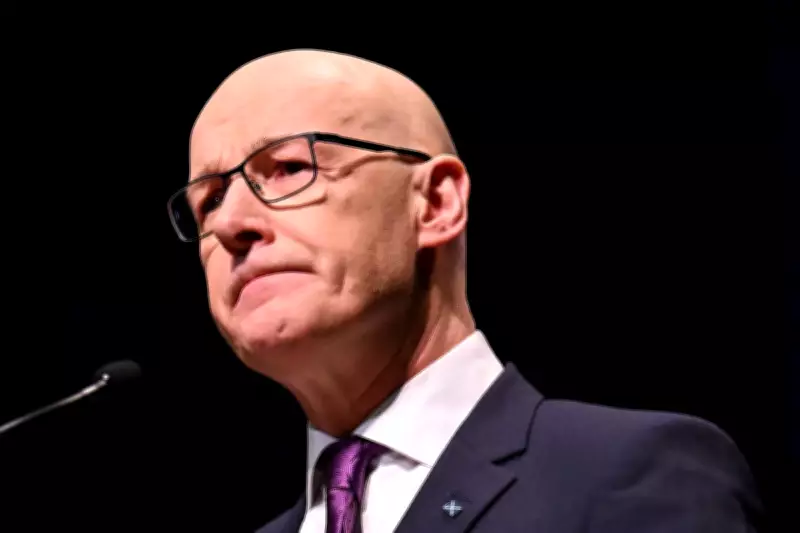
Swinney Warns Starmer Against 'Slide into Offensive War' in Iran
Scotland's First Minister, John Swinney, has issued a stark warning to Prime Minister Keir Starmer, cautioning against a potential "slide into an offensive war" with Iran. The First Minister's remarks came following a critical meeting with energy industry leaders in Aberdeen on Monday, where he emphasized the urgent need for a diplomatic resolution in the Gulf region.
Call for European Diplomatic Coordination
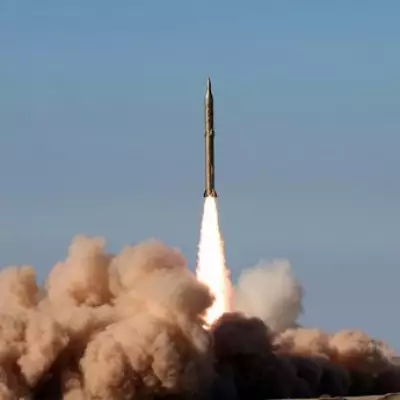
In a direct appeal, Swinney urged Starmer to rally European allies and prioritize a coordinated diplomatic approach over military escalation. This call to action is particularly timely, as the UK Government has reportedly permitted the United States to utilize British military bases for launching strikes on Iranian targets near the vital Strait of Hormuz.
The Strait of Hormuz is a crucial maritime chokepoint for global shipping, especially for oil transport. Recent disruptions have already triggered spikes in energy prices, with analysts warning of broader economic impacts on fuel, food, and essential goods if the conflict intensifies.

Criticism of UK Government Strategy
"It was obvious last week that a lack of clear, principled thinking by the UK Government risked us being drawn ever deeper into this conflict," Swinney stated. He expressed grave concerns over the decision to allow US operations from UK soil, arguing it pushes the nation toward an unjustifiable and open-ended war.
"Now that the UK Government has reportedly allowed US operations against Iran to be launched from UK bases, we are sliding into an offensive war that the UK does not want, cannot legally justify and has no clear exit strategy from," he added.
Economic and Strategic Implications
The First Minister's warning extends beyond geopolitical risks to encompass severe economic consequences. He highlighted that failure to de-escalate could lead to soaring costs for consumers across the United Kingdom, as supply chain disruptions drive up prices for daily essentials.
"If he fails, the Prime Minister will be responsible for the UK being dragged into a conflict without any clear plan. And people across this country will be hammered as everything from fuel to food and daily essentials rise in price," Swinney cautioned.
Background and Recent Developments
Swinney's meeting in Aberdeen included representatives from major energy firms such as BP and the Aberdeen and Grampian Chamber of Commerce, focusing on the sector's vulnerabilities amid the Iran tensions. The discussions underscored the interconnected risks to energy security and regional stability.
Meanwhile, US President Donald Trump had initially issued a 48-hour ultimatum to Iran, threatening strikes on power plants if shipping through the Strait of Hormuz was not restored. However, recent reports indicate a temporary reprieve, with Trump announcing on social media that "very good and productive conversations" with Tehran have led to a postponement of military action.
Despite this pause, Swinney insists that sustained diplomatic engagement, not military posturing, is essential. "The Prime Minister must get off the road to open-ended war and put all efforts into de-escalating this conflict," he asserted. "That cannot be done by dropping more bombs. It needs a co-ordinated effort by the UK, in concert with our European allies, to make a difference."