Sanfilippo Syndrome: The 'Childhood Dementia' and Early Warning Signs Explained
Sanfilippo Syndrome: 'Childhood Dementia' and Early Signs

Understanding Sanfilippo Syndrome: The Tragic Reality of 'Childhood Dementia'

Imagine the devastating effects of Alzheimer's and dementia, but occurring in young children. This is how medical experts describe Sanfilippo Syndrome, a rare and heartbreaking genetic disorder. Children born with this condition initially develop normally, but as the disease progresses, they experience severe declines in speech, learning, and mobility. They often develop behavioural issues such as hyperactivity, anxiety, and sleep disturbances. Tragically, most children with Sanfilippo lose their ability to speak and move, typically passing away during their teenage years.

The Story of Leni Forrester: A Race Against Time

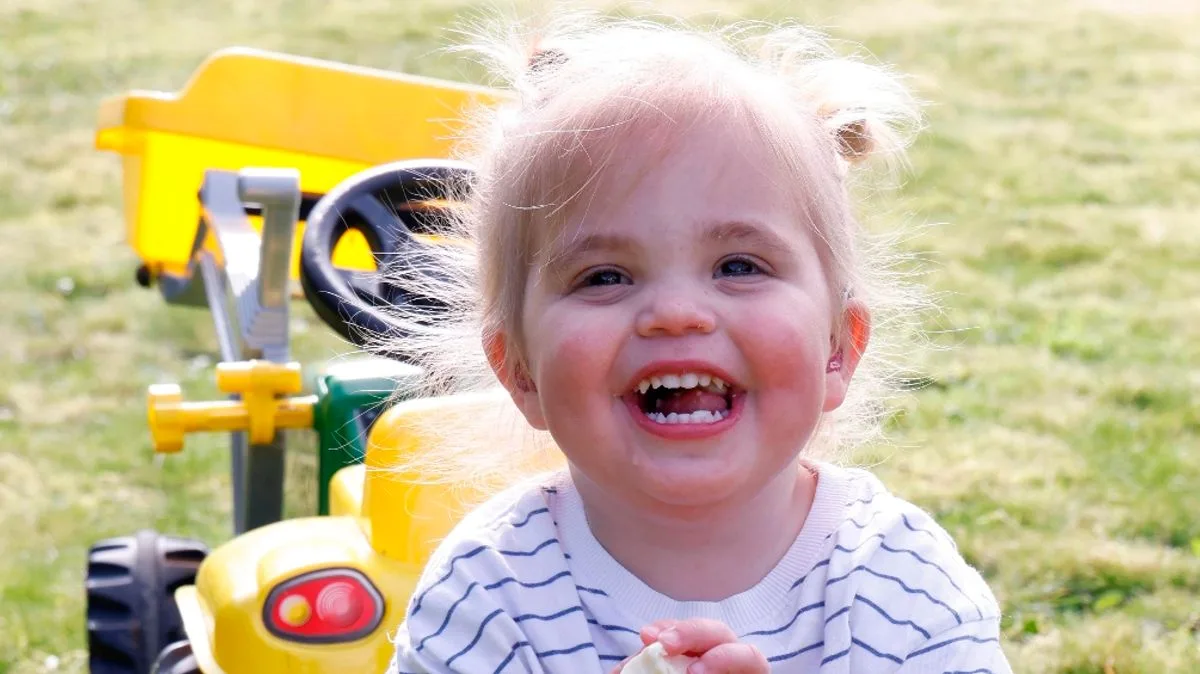
The Mirror has highlighted the case of two-year-old Leni Forrester, who has Sanfilippo Syndrome. Her parents, Emily, 33, and Gus, 35, from Sevenoaks, Kent, are on an urgent mission to fund research for a potential cure. Their journey began when routine genetic screening for Emily's sister flagged a rare gene, indicating a 50% chance Emily was a carrier. Despite initial reassurances, further testing revealed both parents were carriers, leading to Leni's diagnosis five months ago, before any symptoms appeared.

Sanfilippo Syndrome involves a genetic mutation that prevents the enzyme sulfamidase from properly breaking down complex sugar molecules. These molecules accumulate in brain and nervous system cells, causing gradual and severe developmental damage. Early signs in Leni's case included bushy eyebrows, thick eyelashes, full lips, and talipase, a condition where feet turn slightly inward.

Wide Pickt banner — collaborative shopping lists app for Telegram, phone mockup with grocery list

Early Warning Signs and Diagnosis Challenges

Due to its rarity, Sanfilippo Syndrome is often misdiagnosed initially, with symptoms mistaken for autism or ADHD. The Cure Sanfilippo Foundation notes that signs typically emerge between ages one and six but can be present from birth. Early symptoms are frequently dismissed, with families told the child will "grow out of it." The foundation advises that if multiple signs are observed, testing for Sanfilippo should be considered.

Early Symptoms of Sanfilippo Include:

  • Transient Tachypnea Of Newborn: fast breathing after birth
  • Facial Features: prominent forehead, full lips and nose
  • Thick eyebrows and excessive body hair
  • Large head size and speech delays
  • Hearing loss and recurrent infections
  • Hyperactivity, impulsivity, and sleep disturbances
  • Autism-like features such as speech regression
  • Digestive issues and hernias
  • Enlarged liver or spleen

Subtypes and Treatment Prospects

Sanfilippo, or Mucopolysaccharidosis type III, has four subtypes: A, B, C, and D, each linked to a different enzyme deficiency. Type A is the most common and severe, leading to earlier loss of abilities and death. Type B, which Leni has, may progress less rapidly. Types C and D are rarer with variable progression rates.

Currently, there is no cure available in the UK. However, two experimental treatments offer hope: a weekly enzyme delivery via brain port, which showed success in a trial at Great Ormond Street but lost funding in 2017, and a gene replacement therapy hailed as a potential total cure. The gene therapy trial requires £5.5 million to help six children, prompting Emily and Gus to fundraise for pre-clinical costs.

Raising Awareness and Support

Earlier this month, Emily and Leni met with popstar Jesy Nelson to raise awareness for rare conditions. Nelson, who has faced her own challenges with her twins diagnosed with SMA1, praised the family's strength. The Department of Health and Social Care expressed support, emphasising efforts to improve diagnosis and care for rare diseases like Sanfilippo Syndrome.

It is estimated that Sanfilippo affects 1 in 70,000 births, though prevalence may be higher. Accurate numbers will only be known once it is included in newborn screening, which depends on the availability of effective treatments. For now, families like Leni's continue to fight for a future, highlighting the urgent need for research and funding in the battle against this devastating condition.

Pickt after-article banner — collaborative shopping lists app with family illustration




